
Gridlock Ahead: High-Voltage Cables as the Critical Infrastructure Play
The energy transition is straining global electricity grids to their limits. Renewable energy projects, urbanization, and aging infrastructure are colliding with the physical realities of transmitting power over long distances. This bottleneck has created a rare alignment of demand, regulatory urgency, and technological innovation—making high-voltage cable manufacturers and grid modernization plays a compelling investment opportunity. But as with all infrastructure bets, the devil is in the details.
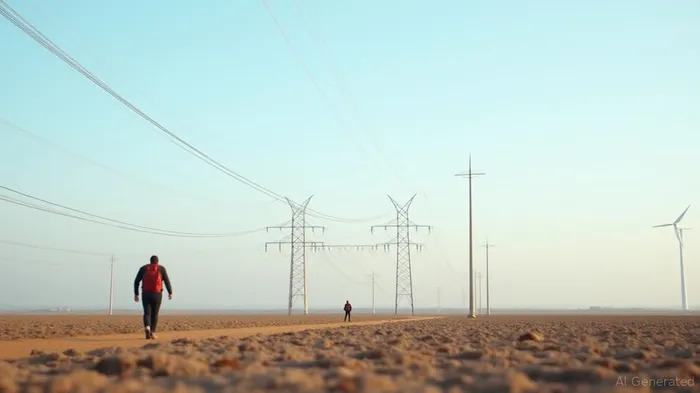
The Demand Surge: Renewable Energy's Transmission Problem
The world's shift to renewables is outpacing the capacity to move the energy they produce. Consider this: offshore wind farms like the Champlain Hudson Power Express in the U.S. or the North Sea grids in Europe require cables capable of handling 66 kV or higher. By 2033, the U.S. high-voltage cable market is projected to grow at a 7.3% CAGR, driven by projects like Texas's wind farms and New York's hydropower interconnectors. The EU, meanwhile, faces a 12% annual increase in cross-border electricity trade, demanding upgrades to its grid's backbone.
But supply is struggling to keep pace. Copper shortages, logistical bottlenecks, and rising material costs have strained manufacturers. The U.S. Energy Information Administration estimates that grid infrastructure investments must double by 2030 to meet demand—a gap that favors firms with advanced manufacturing and geopolitical agility.
China's Edge: Cost Leadership with Strings Attached
Chinese manufacturers like Shangshang Cable, Jiangnan Cable, and FarEast Cable dominate the global market with 30-40% cost advantages over Western rivals. Their edge stems from:
- Lower labor and raw material costs (e.g., accessing domestic copper reserves).
- Government backing via the Belt and Road Initiative and state-backed loans.
- Scale: China accounts for 60% of global UHV (ultra-high-voltage) cable production, critical for long-distance transmission.
However, geopolitical headwinds complicate their U.S./EU ambitions. U.S. tariffs, the EU's Critical Infrastructure Directive, and cybersecurity concerns (e.g., fears of Chinese firms gaining grid access) are slowing approvals. For example, Chinese stakes in European grids like Portugal's REN or Greece's ADMIE now face heightened scrutiny.
The Regulatory Tailwind: Policy as a Catalyst
Governments are pushing grid modernization with unprecedented urgency:
- U.S. Inflation Reduction Act (IRA): Allocates $60 billion for grid upgrades, including high-voltage corridors for renewable energy.
- EU's Fit for 55: Mandates 35% grid expansion by 2030, targeting cross-border interconnectors.
- China's 14th Five-Year Plan: Prioritizes UHV projects to link remote renewables to urban centers.
These policies are creating a “build now, argue later” environment. Utilities like Florida Power & Light and Prysmian Group are already securing multiyear contracts for high-voltage cables, with project pipelines growing 20-30% annually.
Investment Thesis: Where to Stake Your Bets
The winners will be firms that blend technical expertise, geographic diversification, and regulatory compliance:
Prysmian Group (PRYIM): A European leader with $5.2 billion in 2024 revenue, specializing in eco-friendly EcoSmart cables. Its U.S. partnerships (e.g., Texas wind farms) and EU grid contracts provide a balanced exposure.
LS Cable & System (071460.KS): A South Korean firm with a $500M U.S. manufacturing hub in Texas, positioned to supply the IRA's grid projects. Its automation-driven production mitigates labor cost risks.
Nexans (NEX.PA): A French player with deep expertise in offshore wind cables. Its collaboration with Siemens on North Sea projects underscores its niche advantage.
U.S. Firms with Global Reach: Southwire and General Cable benefit from proximity to U.S. policy tailwinds but face higher labor costs.
Risks to Avoid: Overbuild and Geopolitical Whiplash
Not all grid projects are created equal. Investors must avoid:
- Speculative overbuild: Regions with weak demand fundamentals (e.g., oversupplied solar corridors in Spain) could face price wars.
- Regulatory delays: Permitting bottlenecks in the U.S. and EU (e.g., NIMBY opposition to overhead lines) could push timelines—and costs—out.
- China dependency risks: Firms reliant on Chinese imports may face tariffs or supply chain disruptions.
Conclusion: Navigating the Grid's Future
High-voltage cables are the unsung heroes of the energy transition. Their manufacturers are poised for growth, but investors must parse the winners carefully. Prioritize firms with:
- Advanced manufacturing (e.g., IoT-enabled cables for real-time monitoring).
- Direct exposure to U.S./EU policy-driven projects.
- Diversified supply chains to hedge against material and geopolitical risks.
The grid's growing pains are here to stay—but so are the opportunities. For investors willing to look beyond the wires, this is a decade-long play.







Comentarios
Aún no hay comentarios