
The Grid Strain and Onsite Energy Solutions: A New Era for Data Center Energy Infrastructure
The global data center industry is at a critical inflection point. Driven by the insatiable demand for AI and cloud computing, . according to a recent analysis. This surge, however, is straining electrical grids, particularly in regions like Virginia, Texas, and California, where data center density has created localized energy crises as industry reports show. For investors, the urgency is clear: the next frontier of growth lies in decentralized energy solutions that address grid limitations while enabling sustainable, scalable operations.
The Grid Strain: A Looming Crisis
The U.S. electrical grid is struggling to keep pace with data center expansion. By 2025, , according to energy research. This growth is fueled by hyperscale facilities, as a white paper notes. Yet, grid infrastructure timelines remain glacial-projects often take a decade to complete, while data centers can be built in just one or two years according to industry analysis. Compounding this, supply chain bottlenecks for transformers, steel, and copper are delaying critical upgrades, creating a perfect storm of overbuilding risks and unmet demand as industry reports indicate.
The consequences are already visible. In Virginia, , triggering load relief warnings and harmonic distortions in the grid as reports show. Similar pressures are emerging in Texas and California, where energy providers face the dual challenge of meeting peak demand and integrating renewable sources as data shows. These strains underscore a stark reality: traditional grid-centric models are no longer viable.
Decentralized Energy: A Scalable Solution
-encompassing on-site generation, , and -are emerging as the antidote to grid fragility. These systems not only reduce transmission losses but also offer resilience during outages, a critical advantage as climate-related disruptions intensify according to industry insights.
Case Studies and 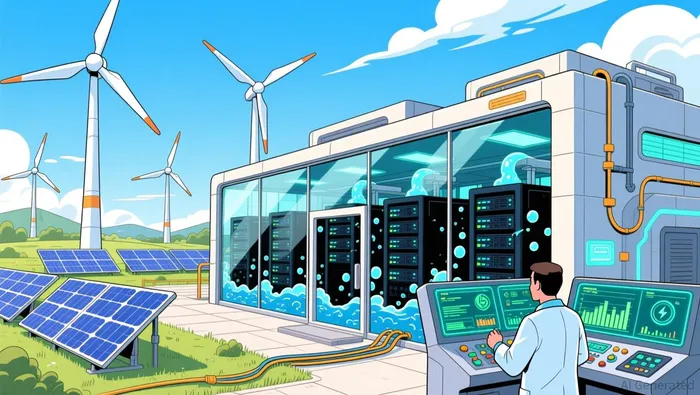 Real-world examples demonstrate the viability of decentralized solutions. A U.S. , as a case study shows. Similarly, , as reported. In Norway, , as data indicates.
Financial returns are equally compelling. , as market analysis shows. For instance, as a government report notes. These projects highlight a key insight: decentralized systems deliver both environmental and economic value.
: Catalyzing Adoption
are accelerating the shift to decentralized energy. The U.S. , according to congressional analysis. , as state policy shows.
Notably, sustainability is becoming a condition for incentives. , as policy developments show. These policies align with global , ensuring that data center growth supports decarbonization goals.
The
, according to market research. For investors, as industry analysis shows.
Key sectors to target include:
1. : Solar, wind, and (SMRs) are gaining traction, with companies like MicrosoftMSFT-- and AmazonAMZN-- investing in nuclear technologies to secure low-carbon power as tax incentives show.
2. : BESS deployments are rising, supported by falling battery costs and grid resilience needs.
3. : are becoming table stakes for hyperscalers, as technical analysis shows.
Conclusion
The is no longer a distant threat-it is here. For data centers to sustain growth, decentralized energy solutions are not optional but imperative. With robust ROI metrics, policy tailwinds, , the case for urgent investment is unassailable. Investors who act now will not only future-proof their portfolios but also shape the next era of energy infrastructure.





Comentarios
Aún no hay comentarios