
Grid Resilience and Renewable Energy Infrastructure: A New Era for the Northern Great Plains
A Wake-Up Call for Grid Resilience
The November 13 outage, triggered by an abnormal voltage event following the tripped lines, exposed systemic weaknesses. High Plains Power CEO described the grid's response as a "wild mix" of instability, highlighting the urgent need for advanced monitoring and redundancy systems according to reports. Compounding the issue, the fire-though quickly extinguished-raised concerns about the risks of outdated facilities during emergencies. These events align with broader trends: climate change is intensifying extreme weather, while aging infrastructure struggles to meet growing demand. According to a report by MISO, .
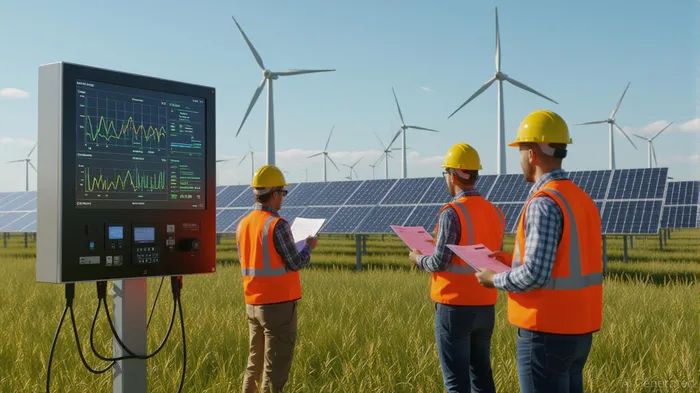
Grid Modernization: A Path to Stability and Growth
In response, regional transmission organizations are fast-tracking projects to fortify the grid. , , South Dakota, , North Dakota, to Laramie, Wyoming according to reports(https://www.minnpost.com/energy/2025/11/major-power-line-expansions-will-fuel-future-growth-in-south-dakota/). These projects aim to address rapid load growth, enable renewable integration, and create a "grid of the future" capable of withstanding disruptions. South Dakota, , stands to benefit disproportionately from these upgrades, though transmission constraints currently limit further expansion according to reports.
Renewable Energy: From Necessity to Opportunity
The outages have also amplified the investment case for renewables. While the region's coal-dependent legacy remains, companies like Rio Tinto are setting precedents. according to reports. For Wyoming and South Dakota, whose wind resources are among the nation's most abundant, grid modernization could unlock billions in renewable projects. However, success hinges on resolving transmission bottlenecks and securing federal funding, as policymakers debate the role of subsidies and tax incentives in accelerating the transition according to reports.
Climate Resilience and Policy Uncertainty
Climate change remains a double-edged sword: it exacerbates grid vulnerabilities but also drives demand for resilient infrastructure. The November outages, coupled with rising wildfire risks and extreme weather, have pushed states to prioritize climate adaptation. Yet, the energy sector faces uncertainty over federal policy shifts that could alter funding trajectories for transmission projects according to reports. Investors must weigh these risks against the long-term profitability of grid upgrades and renewables, which promise not only environmental benefits but also job creation and lower energy costs for ratepayers according to reports.
Conclusion: A Strategic Investment Horizon
The northern Great Plains are at a crossroads. The 2025 outages have crystallized the need for modernized infrastructure and diversified energy sources, creating a fertile ground for strategic investments. For stakeholders, the path forward lies in supporting transmission expansions, renewable projects, and smart-grid technologies that align with both climate goals and economic growth. As MISO and SPP execute their multiyear plans, the region's ability to adapt will determine whether it becomes a model for resilience-or a cautionary tale of inaction.







Comentarios
Aún no hay comentarios