
Grid Resilience and Energy Infrastructure Risks: Lessons from Norman, Oklahoma, and the Path to Strategic Investment in 2025
The Anatomy of Grid Vulnerability
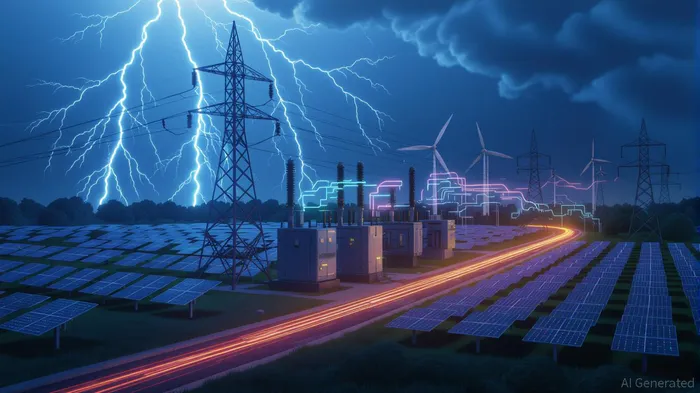
The U.S. power grid is a patchwork of infrastructure, much of which predates the 21st century. , and many systems were designed for unidirectional flow-out of power plants and into homes-rather than the bidirectional demands of today's renewable-heavy grid. This mismatch creates instability, particularly during periods of high demand or extreme weather. Oklahoma, with its growing reliance on wind and solar energy, exemplifies this tension. While the state's renewable capacity has expanded rapidly, its grid infrastructure has lagged, leaving it exposed to disruptions like those seen in Norman.
Compounding these issues are supply chain bottlenecks. The production of critical components-such as transformers, which are essential for voltage regulation and renewable integration-is constrained by material shortages. This bottleneck delays modernization projects, exacerbating the risk of cascading failures.
Strategic Investment Opportunities
The urgency of grid modernization has sparked a wave of innovation and capital inflows. By 2025, the U.S. is projected to allocate , including advanced transformers, smart grid technologies, and energy storage systems. This spending is not just a necessity-it's a market driver. For instance, companies like Siemens, ABB, and GE VernovaGEV-- are pioneering next-generation transformers designed for offshore wind projects and integrated with recycled materials to reduce environmental impact(https://www.okenergytoday.com/2025/11/grid-plans-8-6-billion-toward-more-transmission-lines/). These firms stand to benefit from both domestic and global demand as nations prioritize decarbonization.
Renewable energy projects also present compelling opportunities. While the Norman outages underscore the risks of underinvestment, they highlight the growing appeal of (DERs) such as microgrids and battery storage. These systems can operate independently during grid failures, offering resilience and reducing reliance on centralized infrastructure. In parallel, and advanced solar manufacturing-sectors gaining traction in regions like India's Andhra Pradesh-are likely to see cross-border investment as global energy markets converge.
The Road Ahead
For investors, the key lies in balancing short-term risks with long-term gains. The immediate priority is funding grid resilience-replacing aging transformers, deploying smart sensors, and expanding transmission lines to accommodate renewables. Over the next decade, the focus will shift to innovation: next-gen storage solutions, , and hybrid systems that blend solar, wind, and hydrogen.
The Norman outages may be a localized event, but their implications are national. They reveal a grid at a crossroads-one that requires urgent investment to avoid repeated failures. Yet, for those who act strategically, this crisis is also an opportunity to position capital at the forefront of the energy transition.





Comentarios
Aún no hay comentarios