
Grid Edge Intelligence and the Clean Energy Transition in Australia: Strategic Partnerships as Catalysts for Energy Tech Investment
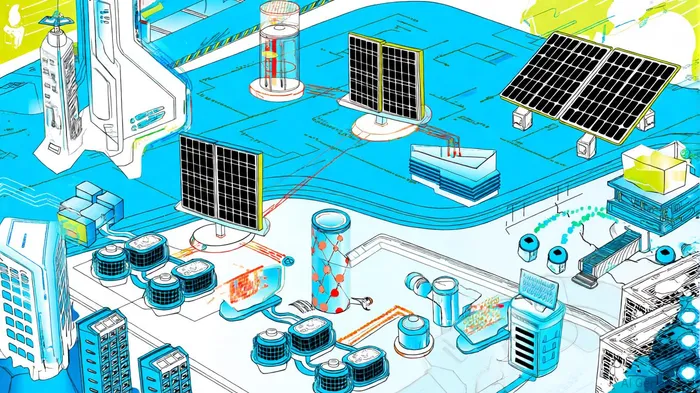
Australia's energy transition is accelerating, driven by a confluence of technological innovation, policy reforms, and strategic partnerships that are redefining the grid-edge intelligence (GEI) landscape. As the nation strives to meet its net-zero ambitions, GEI has emerged as a linchpin for integrating distributed energy resources (DERs), enhancing grid resilience, and empowering consumers. Central to this transformation are collaborative efforts between technology providers, utilities, and policymakers—arrangements that are not only addressing immediate infrastructure challenges but also unlocking long-term investment opportunities.
Strategic Partnerships: The Engine of Grid Modernization
The partnership between Landis+Gyr and PLUS ES exemplifies how strategic alliances are catalyzing progress. By deploying Landis+Gyr's grid-edge sensing meters with wireless technology, the collaboration provides real-time data to consumers and retailers, enabling dynamic energy management and reducing operational inefficiencies [1]. This initiative aligns with the Australian Energy Market Commission (AEMC)'s proposed reforms to grant consumers access to real-time smart meter data, fostering a more equitable and responsive energy system [1].
Complementing this, Landis+Gyr's collaboration with Sense in Australia and New Zealand introduces AI-driven energy management tools. These solutions leverage high-resolution waveform sensing to detect grid faults, predict peak demand, and integrate consumer energy resources (CERs) seamlessly [2]. Such partnerships are critical as they address the growing complexity of DERs—rooftop solar, home batteries, and electric vehicles—while ensuring grid stability.
EA Technology further underscores the value of data-driven collaboration. By optimizing network utilization through smart grid insights, the firm has demonstrated that Australia's current grid capacity—estimated at 50%—could reach 80% with advanced analytics [4]. This not only defers costly infrastructure upgrades but also enhances returns for investors in grid modernization.
Policy and Market Forces: A Conducive Environment
Government incentives are amplifying the impact of these partnerships. The Hydrogen Production Tax Incentive and Critical Minerals Production Tax Incentive are attracting capital to renewable hydrogen and mineral supply chains, sectors that rely on robust grid infrastructure [3]. Meanwhile, the classification of data centres as “Systems of National Significance” reflects Australia's recognition of their role in both economic growth and energy demand [4].
The surge in data centre investments—driven by AI and cloud computing—poses a dual challenge: meeting rising electricity needs while maintaining decarbonization targets. Here, GEI solutions are pivotal. By enabling real-time load balancing and demand response, grid-edge technologies mitigate strain on local networks, ensuring that data centres can operate sustainably [2].
Investor Sentiment and Future Outlook
Investor confidence in collaborative models is robust. A 2025 KPMG report reveals that 94% of energy transition investors prioritize partnerships to manage risks and scale impact [4]. Platforms like Wood Mackenzie's Lens Energy Storage provide granular market insights, empowering stakeholders to navigate the evolving supply chain and capitalize on high-growth opportunities [3].
However, challenges remain. The integration of AI and DERs requires interoperable standards and regulatory agility. For instance, the AEMC's reforms must evolve to accommodate real-time data sharing between utilities, consumers, and third-party providers [1]. Similarly, startups like LiveEO and energyOS, supported by EnergyLab's 2025 program, are innovating in areas such as vegetation management and climate resilience—sectors where public-private partnerships could accelerate adoption [3].
Conclusion: A Blueprint for Global Replication
Australia's GEI ecosystem illustrates how strategic partnerships can transform energy systems. By aligning private-sector innovation with policy frameworks, the nation is creating a blueprint for global replication. For investors, the message is clear: the future of clean energy lies not in isolated technologies but in interconnected ecosystems where collaboration drives scalability and resilience.







Comentarios
Aún no hay comentarios