
Greenland's Strategic Value vs. Political Reality: Why a U.S. Takeover Isn't Happening—and What Investors Should Know
The idea of the U.S. acquiring Greenland—a semi-autonomous Danish territory—has resurfaced in recent years, fueled by Republican lawmakers and former President Donald Trump’s rhetoric about "national security priorities." However, the reality is stark: legislative proposals to purchase the Arctic landmass face insurmountable political, diplomatic, and practical hurdles. As top Democrat and former Secretary of State Antony Blinken recently stated, "This isn’t a good idea, and it’s not going to happen." For investors, the real opportunities lie not in geopolitical fantasy but in Greenland’s abundant resources and its path to self-determination. Let’s dissect the facts.
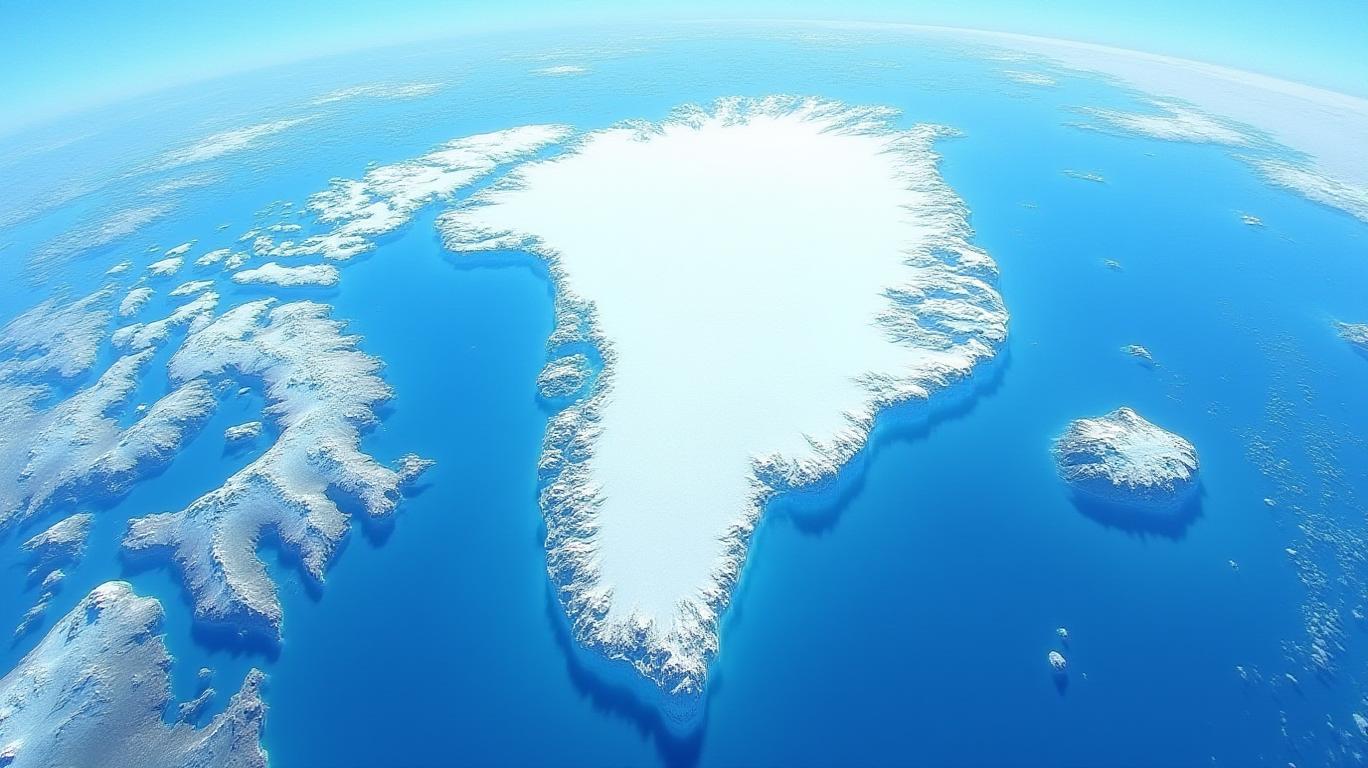
The Legislative Dead End: H.R. 1161 and H.R. 361
Two bills introduced in the 119th Congress— and
and  —aim to authorize U.S. negotiations to acquire GreenlandGTEC--. Yet both remain stalled in committee, with a mere 4% chance of passage, according to GovTrack. Why? The political and logistical barriers are insurmountable:
- Denmark’s Firm Opposition: Danish Prime Minister Mette Frederiksen has declared Greenland "not for sale," while Greenland’s own government—now led by a pro-independence coalition—rejects U.S. annexation outright. A 2025 poll shows 85% of Greenlanders oppose joining the U.S.
- Legal and Constitutional Quagmire: Any acquisition would require a treaty under the U.S. Constitution, needing Senate ratification—a near impossibility given Democratic control and bipartisan disdain for the idea. Even the bills’ procedural gimmicks (e.g., automatic approval unless Congress disapproves) face legal challenges.
- Strategic Overreach: The U.S. already operates Pituffik Space Base (Thule Air Base) under a 1951 treaty, providing Arctic surveillance capabilities. Acquiring Greenland offers little tangible gain beyond symbolic nationalism—a luxury Congress will not fund.
The Real Play: Greenland’s Resources and Self-Governance
While the U.S. acquisition fantasy fades, Greenland’s economic potential remains undeniable. The territory holds 12% of the world’s rare earth reserves, critical for EV batteries, wind turbines, and defense tech. Companies like KoBold Metals and Alcoa are already eyeing deposits of lithium, zinc, and uranium. The  provides fiscal stability, while Greenland’s push for full independence—embodied in its 2023 draft constitution—opens opportunities for investors in mining, green energy, and tourism.
Investment Takeaways: Focus on Resources, Not Territorial Hype
- Rare Earth and Critical Minerals: As EV demand surges, firms with Greenlandic ties—like
 or Alaska-based Northern Star Resources (NST)—could see long-term growth. However, invest cautiously: Greenland’s environmental regulations and political risks (e.g., bans on oil/gas exploration) demand due diligence.
 - Green Energy Infrastructure: Greenland’s wind and hydropower potential, paired with its ice-free ports, could position it as an Arctic logistics hub. Investors might track firms like Siemens Gamesa (SGRE) or Vestas Wind Systems (VWDR) for infrastructure plays.
- Geopolitical Arbitrage: While U.S.-Greenland tensions dominate headlines, look to Denmark’s
 or Nordic ETFs (e.g., Nordic Equity Index (OMXS30)) for indirect exposure. Danish firms with Arctic expertise, like Maersk (MAERSK-B), also benefit from Greenland’s strategic role.
Conclusion: Greenland’s Future Lies in Its Hands—and Investors’ Portfolios
The U.S. Congress is highly unlikely to back a Greenland acquisition. The bills’ 4% passage odds, combined with Denmark’s and Greenland’s steadfast opposition, make this a nonstarter. Instead, investors should focus on Greenland’s $314 million in untapped rare earth reserves, its clean energy potential, and its path to independence. As Danish analyst Marc Jacobsen notes, "The U.S. already has a military foothold; annexation is unnecessary and unworkable."
For now, the real game is in mining equities, green infrastructure, and Arctic logistics—not in betting on a geopolitical stunt that will never pass.
Invest wisely, and avoid the noise.







Comentarios
Aún no hay comentarios