
Greenbrier: The Rails of NATO's Trillion-Dollar Infrastructure Shift
The NATO summit of 2025 cemented a historic defense spending pledge: member nations agreed to raise military budgets to 5% of GDP by 2035, with 1.5% of that dedicated to "defense-adjacent infrastructure." This split—3.5% for traditional hardware and 1.5% for logistics, transport, and resilience—has created a trillion-dollar opportunity for companies positioned to deliver critical infrastructure. Among them, GreenbrierGBX-- (NYSE: GBX), a leader in railcar manufacturing and logistics solutions, is primed to capitalize on Europe's rush to modernize military supply chains and transport networks.
The NATO Infrastructure Surge
The 1.5% infrastructure allocation is a game-changer. Germany, for example, will spend up to 1.5% of its GDP ($100 billion annually by 2029) on transport corridors, storage facilities, and strategic mobility projects. Poland, already outpacing NATO's 2% target with 4.2% GDP defense spending, is upgrading rail lines to support its military and NATO forces. These countries are racing to harden supply chains against disruptions, a priority heightened by Russia's invasion of Ukraine and the need for rapid troop deployments.
Greenbrier's expertise in railcar design, logistics systems, and industrial infrastructure positions it to win contracts for:
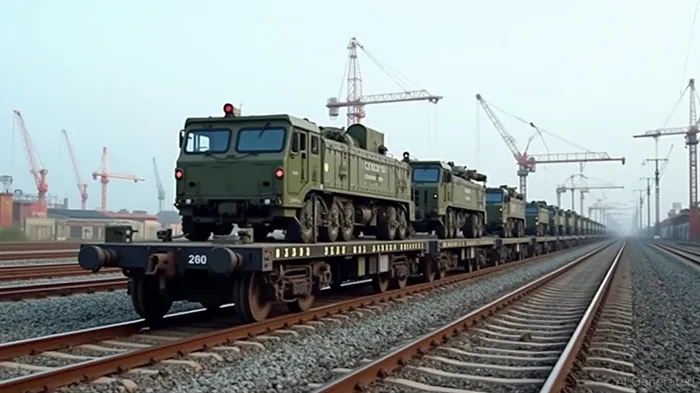
1. Military Transport Networks: Upgrading rail systems to handle armored vehicles and bulk supplies.
2. Storage and Distribution Hubs: Building depots to store ammunition, fuel, and equipment.
3. Cold-Chain Logistics: Ensuring perishable medical supplies and food reach troops efficiently.
Why Greenbrier?
- Rail Dominance: Greenbrier manufactures 60% of North America's new railcars and has a growing European presence through acquisitions like Wabtec's FreightCar AmericaRAIL--. Its railcars are ideal for moving heavy military equipment.
- Logistics Solutions: The company's supply chain management systems can integrate with NATO's "strategic mobility" initiatives, which aim to reduce transit times for troops and supplies.
- Valuation: At a P/E of 10.5x (vs. the Industrials sector's 20x), Greenbrier trades at a discount despite its niche positioning.
Catalysts to Watch
1. Germany's 2027 Defense Fund Deadline: Berlin's $100 billion special fund for military modernization will need to be spent by 2027. Greenbrier's rail projects could secure a slice of this.
2. Poland's Military Buildout: Warsaw's plans to boost defense spending to 5% of GDP by 2026 include $10 billion for transport upgrades.
3. NATO's 2025 Infrastructure Priorities: The alliance's focus on "strategic rail corridors" and "resilient supply chains" directly aligns with Greenb bieder's strengths.
Risks
- Southern Europe's Fiscal Constraints: Italy and Spain, burdened by debt (Italy's debt/GDP ratio is 135%), may struggle to meet their 5% spending targets.
- U.S. Arms Export Declines: While the U.S. boosted NATO arms sales in 2024, a Trump-era pivot toward Indo-Pacific dominance could redirect focus away from Europe. However, Greenbrier's infrastructure work is less tied to traditional arms exports.
- Competition: European rivals like Alstom and Siemens are also vying for rail contracts, though Greenbrier's cost advantages in manufacturing may edge it ahead.
Investment Thesis
Greenbrier is a tactical buy for investors seeking exposure to NATO's trillion-dollar infrastructure shift. With a valuation discount and a clear pipeline of European contracts, it offers asymmetric upside. Buy below $35 (current price: $32), with a 12-month target of $42. Monitor German defense fund allocations and Poland's rail tender deadlines as near-term catalysts.
Risk Alert: Southern Europe's fiscal crises could delay projects—diversify with other NATO plays like Thales or Safran for geographic balance.*





Comentarios
Aún no hay comentarios