
Green Tech & Biodiversity Conservation: A Growing Nexus for Impact Investors
The LG-NWF Collaboration: A Case Study in Sustainable Branding
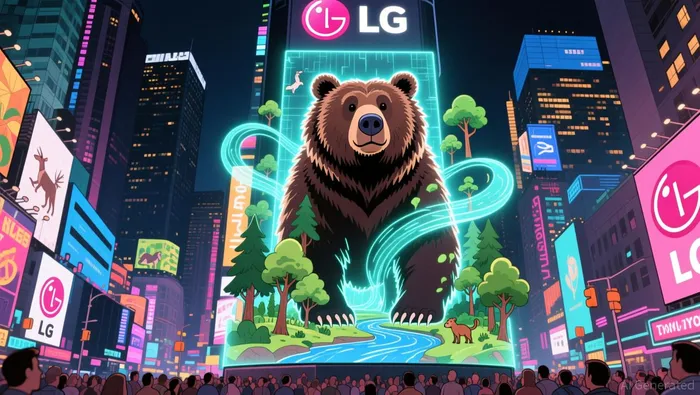
LG's 3D billboard, set to debut on November 6, 2025, is more than a marketing stunt. It is a strategic initiative to raise awareness about biodiversity loss and the ecological role of keystone species like the grizzly bear. The grizzly, which helps maintain forest health by dispersing seeds and controlling prey populations, symbolizes the interconnectedness of ecosystems and human well-being, according to the PR Newswire article. By partnering with the NWF, LG extends its reach beyond the billboard: the campaign includes educational outreach through the NWF's Eco-Schools U.S. program, engaging over 6,000 schools in conservation efforts, as reported in the PR Newswire article.
This approach reflects a broader shift in corporate sustainability strategies. According to a report by the PR Newswire, LG's initiative aligns with its brand promise of "Life's Good," emphasizing that technological innovation and environmental responsibility are no longer mutually exclusive, as reported in the PR Newswire article. For investors, such partnerships signal a company's commitment to long-term ESG goals, which can enhance brand loyalty and open new revenue streams in the green economy.
Public Awareness and ESG Returns: A Delicate Balance
The success of campaigns like LG's hinges on public engagement, which directly influences ESG investment outcomes. A 2023 study published in Ecological Economics found that public environmental concern (PEC) has a nonlinear relationship with corporate ESG performance, as noted in the MDPI study. Initially, heightened awareness drives improvements in sustainability practices, but excessive scrutiny can overwhelm firms, particularly smaller ones. This suggests that companies must strike a balance between transparency and practicality to maximize ESG returns.
For example, Chinese SMEs have adopted tailored strategies, such as social media campaigns and workshops, to refine their ESG practices in response to public feedback, as noted in the MDPI study. Similarly, LG's collaboration with the NWF integrates public education with actionable conservation goals, ensuring that awareness translates into measurable outcomes. This dual focus on engagement and execution is critical for investors seeking to capitalize on the green tech-biodiversity nexus.
Biodiversity-Linked Investments: From Theory to Practice
Beyond awareness campaigns, biodiversity conservation is increasingly being embedded into investment strategies. abrdn's creation of a biodiversity bank in the UK, generating credits for carbon offsetting and rewilding, demonstrates how conservation can yield both ecological and financial returns, as described in the Savills case study. Similarly, Savills IM's Bourn Quarter project in the UK combines urban development with habitat restoration, featuring 2,500 native trees and insect hotels, as described in the Savills case study. These initiatives highlight the growing appeal of biodiversity-linked assets, which are now being evaluated through frameworks like biodiversity net gain (BNG) metrics.
Academic research further supports this trend. A 2023 study in Ecological Economics argues that traditional ESG metrics often overlook biodiversity, advocating for an ecocentric approach that values non-human stakeholders, as noted in the ScienceDirect study. For investors, this means rethinking risk assessments to include ecosystem health-a shift that could unlock new opportunities in green tech and sustainable infrastructure.
Strategic Implications for Impact Investors
The convergence of green technology and biodiversity conservation presents a unique opportunity for impact investors. Companies like LG, which integrate innovation with conservation, are well-positioned to attract capital from ESG-focused funds. Meanwhile, partnerships with NGOs and public awareness campaigns can amplify a company's ESG impact, as seen in the NWF's Eco-Schools program, as noted in the PR Newswire article.
However, investors must remain cautious. The nonlinear relationship between public concern and ESG performance underscores the need for adaptive strategies. Firms that fail to align their sustainability efforts with stakeholder expectations risk reputational damage and financial underperformance, as noted in the MDPI study. Conversely, those that leverage technology-like LG's 3D billboard-to educate and engage the public may see stronger returns, both in terms of brand value and investment metrics.
As the global push for sustainability intensifies, the green tech-biodiversity nexus will likely become a cornerstone of ESG investing. For now, the grizzly bear in Times Square serves as a vivid reminder: conservation and innovation are no longer separate pursuits but complementary forces shaping the future of impact investing.







Comentarios
Aún no hay comentarios