
Green Brick Partners' Insider Sales and the Long Game: A Closer Look at Management Incentives and Shareholder Alignment
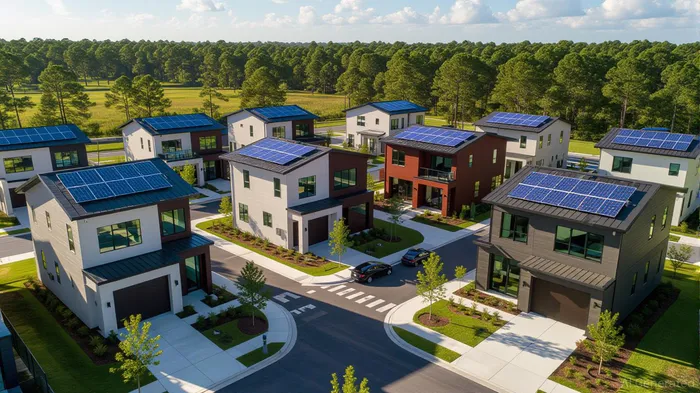
In the world of public markets, insider selling is often a double-edged sword. It can signal confidence in a company's future—or raise eyebrows about short-term liquidity needs. For Green BrickGRBK-- Partners (GRBK), recent transactions by top executives and a director have sparked questions about alignment between management incentives and long-term shareholder value. Yet, when viewed through the lens of the company's evolving compensation structure, these sales may reflect a broader strategic shift rather than a lack of conviction.
The Insider Activity: Liquidity or Disengagement?
On August 12 and 13, 2025, Jed Dolson, President and COO of Green Brick Partners, sold 20,000 and 15,000 shares, respectively, at prices ranging from $66.76 to $68.76. These transactions reduced his direct holdings to 258,605 shares, while his indirect ownership (via a trust for minor children) remained at 4,056 shares. Separately, director Richard S. Press sold 6,000 shares over two days, trimming his direct stake from 86,008 to 83,008.
While these sales might appear routine—executives often diversify their wealth or meet personal financial goals—they occur against a backdrop of significant changes in GRBK's executive compensation. Dolson's open-market sales must be contextualized alongside his unvested Restricted Stock Units (RSUs) and Performance-Based RSUs (PSUs), which are tied to multi-year performance metrics. These awards, totaling 11,161 units each, convert one-for-one into common stock upon vesting and are subject to a 2025–2027 performance period.
The Compensation Overhaul: From Short-Term to Long-Term
Green Brick Partners' 2024 performance was nothing short of stellar. The company exceeded targets for Earnings Per Share (EPS), operational metrics, and Total Shareholder Return (TSR), leading to payouts of 200% of target for executives. However, this success also exposed a flaw: a compensation structure overly reliant on annual incentives. In 2025, the company is recalibrating.
The new Long-Term Incentive Program (LTIP) introduces PSUs structured across three segments:
1. 2025 Segment: 16.66% of PSUs tied to performance in 2025.
2. 2026 and 2027 Segments: 16.67% each for 2026 and 2027.
3. Three-Year Segment: 50% of PSUs contingent on cumulative performance from 2025–2027.
These PSUs can be earned at 50–200% of target, depending on the company's performance against undisclosed metrics. Once earned, they vest three years after the grant date, ensuring executives remain focused on sustained value creation. This shift from annual to multi-year incentives aligns with broader industry trends and addresses concerns about short-termism.
Stock Ownership and Governance: A Strong Foundation
GRBK's stock ownership guidelines further reinforce alignment. The CEO is required to hold shares valued at three times base salary, while other executives must hold shares at two times base salary. As of April 2025, CEO James R. Brickman owned 4.4% of the company, and Chairman David Einhorn's affiliates held a 23.4% stake. Such ownership levels create a direct link between management and shareholder interests.
Moreover, the company's clawback provision allows for the recovery of compensation if financial restatements occur, adding a layer of accountability. While Einhorn's investment interests in Greenlight Capital Funds are deemed immaterial to board independence, the concentration of ownership among top executives and directors underscores a governance structure that prioritizes long-term value.
The Dilution Dilemma
Critics may argue that unvested PSUs and RSUs could dilute existing shareholders if performance targets are met. However, the vesting schedule (three years post-grant) and the performance-based nature of these awards mean dilution is conditional on sustained success. For instance, Dolson's PSUs will only convert into shares if the company meets or exceeds its 2025–2027 metrics. This structure incentivizes executives to drive performance that benefits all stakeholders, not just those with immediate liquidity needs.
Investment Implications: A Balancing Act
For investors, the key question is whether GRBK's insider sales and compensation changes signal a healthy balance between liquidity and long-term alignment. The recent transactions by Dolson and Press appear to be part of standard wealth management strategies rather than disengagement. Meanwhile, the new LTIP and stock ownership guidelines demonstrate a commitment to tying executive rewards to multi-year outcomes.
However, investors should remain vigilant. The company's ability to meet its 2025–2027 performance targets will determine whether the PSUs vest at full value. Monitoring future insider activity, particularly by Dolson and Press, will also provide insights into management's confidence in the company's trajectory.
Conclusion: A Strategic Shift with Long-Term Potential
Green Brick Partners' insider sales in August 2025 are best viewed as part of a broader narrative of strategic realignment. By shifting from annual performance-based incentives to a multi-year LTIP, the company is addressing historical misalignments and fostering a culture of sustained value creation. While dilution risks exist, the conditional nature of PSUs and strong stock ownership guidelines mitigate these concerns.
For long-term investors, GRBKGRBK-- presents an intriguing case study in how companies can recalibrate executive incentives to better serve shareholder interests. The challenge now is to ensure that the new compensation structure translates into consistent performance, not just on paper but in the real world of homebuilding and market dynamics. As the 2025–2027 performance period unfolds, all eyes will be on whether Green Brick Partners can deliver on its promise of long-term growth.





Comentarios
Aún no hay comentarios