
Greece's Producer Prices Climb to 2.1% in March: Navigating Opportunities in a Sector-Split Economy
The Greek Producer Price Index (PPI) rose to +2.1% year-over-year in March 2025, marking the third consecutive month of inflationary pressures and the highest reading since February 2023. This headline figure masks a stark divide across sectors, with energy and durable goods driving gains while non-durables and capital goods face headwinds. For investors, this mixed landscape offers both opportunities and risks, requiring a nuanced approach to capitalize on sector-specific trends.
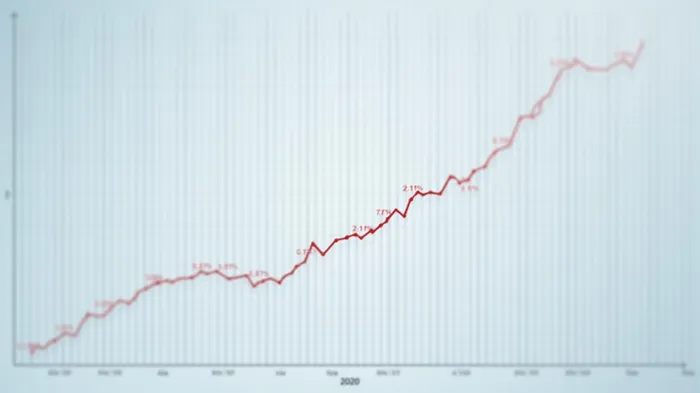
Sectoral Breakdown: Winners and Losers
The March PPI data reveals a clear bifurcation in Greece’s industrial landscape:
Energy Sector (5.2% y/y):
Energy prices surged to their highest level since mid-2024, reflecting global supply chain pressures and domestic infrastructure challenges. This creates a tailwind for energy producers and utilities.
Investors should monitor PPC and renewable energy firms like Elliniki Dialektiki Energeias (EDE) for potential upside as energy demand remains resilient.Intermediate Goods (3.7% y/y):
Cost pressures in intermediate goods—used in manufacturing processes—are climbing, signaling sustained demand for raw materials. Sectors like chemicals and machinery stand to benefit.
Companies such as Hellenic Petroleum (HELPE) or cement producers like Titan CementTACHU-- could see margin expansion as demand for industrial inputs stays strong.
Durable Consumer Goods (4.3% y/y):
Higher prices for appliances, vehicles, and equipment suggest consumer demand for long-term goods remains robust. This bodes well for sectors like automotive and home appliances.
Investors might consider Greek auto parts suppliers or retailers like Electroline, though caution is advised due to global demand uncertainties.Capital Goods (2.7% y/y):
A moderation in capital goods prices signals easing pressures for sectors like machinery and infrastructure. This could indicate softening investment in long-term projects.Non-Durable Consumer Goods (-0.4% y/y):
Deflation in perishables, textiles, and everyday goods suggests oversupply or weak demand. This sector may remain under pressure unless consumer sentiment improves.
Key Risks and Volatility
While the annual PPI shows upward momentum, the monthly PPI fell by 1.7% in March, the steepest drop since early 2020. This volatility underscores the fragility of Greece’s recovery amid global headwinds:
- Global Slowdown: Trading Economics forecasts Greece’s PPI to drop to -2.0% by 2026, citing potential declines in energy prices and weaker export demand.
- Debt Dynamics: Greece’s public debt remains at 113% of GDP, limiting fiscal flexibility to support struggling sectors.
Investment Strategies for 2025
Focus on Energy and Infrastructure:
Invest in energy utilities and firms with exposure to renewable energy projects, which align with Greece’s decarbonization goals.
Example: Public Power Corporation (PPC) is expanding solar and wind capacity, positioning it to benefit from rising energy demand.Short-Term Plays in Intermediate Goods:
Companies supplying raw materials (e.g., chemicals, steel) could see steady demand as manufacturers rebuild inventories.Avoid Overexposure to Non-Durables:
The deflationary trend in non-durables suggests caution in consumer staples unless there’s a clear catalyst for demand recovery.Monitor the Athens Stock Exchange (ASE):
The ASE has underperformed the Euro Stoxx 50 in 2025, offering potential bargains in undervalued sectors.
Conclusion: A Sector-Specific Playbook
Greece’s PPI data paints a divided economy: energy and intermediate goods are growth engines, while non-durables and capital goods face headwinds. Investors should prioritize sector-specific analysis over broad bets. Energy utilities, intermediate goods producers, and select manufacturers present opportunities, but risks—such as global slowdowns and domestic debt—require hedging.
The 2.1% PPI rise is a sign of resilience, but the path to sustained growth hinges on resolving structural challenges. For now, a selective, data-driven approach—backed by close monitoring of PPI sub-indexes and geopolitical developments—will be key to navigating this sector-split environment.







Comentarios
Aún no hay comentarios