
The Great Yield Convergence: Why Fixed Income Investors Must Act Now on JGB-US Treasury Dynamics
The global fixed income landscape is undergoing a seismic shift as trade tensions ease and central banks grapple with divergent policy paths. For investors, the interplay between U.S.-China trade détente, the Bank of Japan’s (BoJ) policy constraints, and the widening U.S.-Japan yield gapGAP-- presents a high-conviction opportunity in carry trades. Here’s why now is the time to position for JGB-U.S. Treasury convergence—and how to profit from it.
The Trade Truce Fuels Rising Yields
The recent U.S.-China tariff truce has sparked a dramatic decline in safe-haven demand for U.S. Treasuries. With tariffs reduced by over 100% across key sectors, markets are pricing in reduced economic uncertainty. This has sent the 10-year U.S. Treasury yield soaring to 4.43% in May 2025—its highest level in years—while the BoJ’s 10-year JGB yield languishes near 1.0% (a stark 343 basis point gap).
The reduction in geopolitical risk has starved Treasuries of their traditional "flight-to-safety" inflows, allowing yields to rise. Meanwhile, the BoJ remains shackled by its own demons: a fragile economic recovery, stagnant wage growth, and the specter of deflation. This divergence creates a once-in-a-decade yield arbitrage opportunity.
Why the BoJ Can’t Keep Rates Low Forever—and Why It Matters
While the Fed has paused its rate hikes, the BoJ faces an impossible task. Even with a 0.5% policy rate—the highest since 2008—the BoJ must walk a tightrope. On one side, inflation is ticking upward (3.6% in April 2025), driven by wage gains and supply-chain normalization. On the other, U.S. tariffs on Japanese auto exports threaten to derail corporate investment.
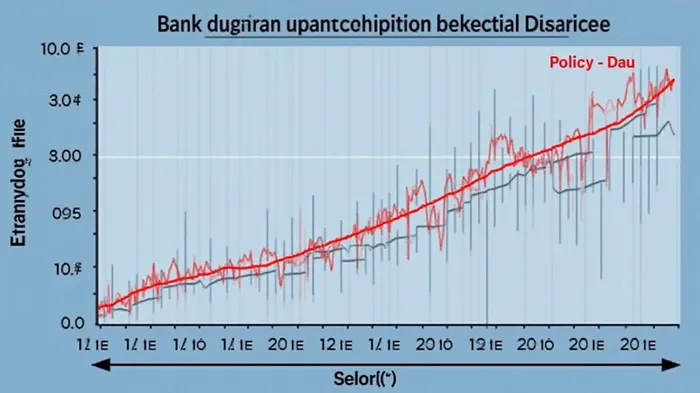
The BoJ’s dilemma is clear: hiking rates risks choking an economy still dependent on fiscal stimulus, while keeping rates low exacerbates the yen’s decline. The result? A structural yield gap favoring U.S. bonds—and a green light for carry trades.
The USD/JPY Carry Trade: A High-Conviction Play
With the USD/JPY exchange rate surging to 158.50 in May 2025—a 6% monthly gain—the currency pair has become the poster child of this yield divergence. The math is simple: borrow yen at near-zero rates, convert to dollars, and invest in U.S. Treasuries yielding over 4%.
Even after accounting for funding costs and currency volatility, this trade offers a 12–15% annualized return under stable conditions. The risks? A BoJ policy surprise or a sudden yen rally. But both scenarios are unlikely:
1. BoJ policy inertia: The central bank has emphasized “caution” in its May 2025 statement, with GDP forecasts slashed to 0.5% due to trade risks.
2. Structural USD strength: The Fed’s 5.5% policy rate vs. the BoJ’s 0.5% creates an 500 basis point differential—a gap that’s widening, not narrowing.
The Endgame: Convergence or Crisis?
Skeptics warn that yield gaps this large can’t persist. But consider this:
- Trade truce durability: The U.S.-China deal has already extended twice, signaling a shift from confrontation to negotiation.
- BoJ’s inflation trap: Even if Japan’s core inflation hits 2%, the BoJ will need years to normalize rates given its debt-laden economy.
The smarter bet is that convergence will happen slowly—and to the benefit of U.S. bond holders.
How to Play It
- Long U.S. Treasuries, Short JGBs: Use derivatives to capitalize on the widening yield spread.
- USD/JPY Carry Trade: Leverage FX forwards or ETFs like FXY to bet on yen depreciation.
- Duration Risk Management: Pair long U.S. Treasury positions with inflation swaps to hedge against stagflation.
Final Call: Act Before the Window Closes
The stars are aligned for fixed income investors: reduced trade risks, BoJ policy paralysis, and a historic yield gap. This is not just a trade—it’s a structural shift. The question isn’t whether yields will converge, but how far USD/JPY can climb before the BoJ panics.
The time to act is now. The next leg of the yield convergence is about to begin—and those who move first will reap the rewards.
This analysis is for informational purposes only and does not constitute investment advice. Always consult a financial advisor before making investment decisions.







Comentarios
Aún no hay comentarios