
Grayscale's DOGE and XRP Spot ETFs: A New Era for Retail Crypto Exposure and Institutional Validation in the Altcoin Space
Accessibility for Retail Investors
Grayscale's DOGE and XRP ETFs democratize access to altcoins by eliminating the technical barriers of managing digital wallets or navigating private trust structures. Investors can now trade these assets through conventional brokerage accounts, a critical step in broadening participation among retail investors. According to a Bloomberg report, GDOGGDOG-- is projected to generate approximately $11 million in first-day trading volume, underscoring strong retail appetite.
The fee structure further enhances accessibility. Both ETFs offer a temporary 0% expense ratio for the first three months or until reaching $1 billion in assets, with a long-term rate of 0.35%. While this is higher than some BitcoinBTC-- Spot ETFs (which often charge below 0.2%), the introductory waiver provides an incentive for early adoption. This model balances Grayscale's operational costs-such as custody and liquidity management-with investor affordability, particularly for altcoins like DOGE and XRP, which present unique challenges.
Demand Drivers: Regulatory Shifts and Market Momentum
The SEC's recent regulatory pivot under Chairman Paul Atkins has been a key catalyst. By prioritizing disclosure over enforcement-dubbed "Project Crypto"-the agency has accelerated approvals for crypto ETFs, fostering a more predictable environment for investors. This shift aligns with broader market trends: the XRP ETF landscape, for instance, saw the debut of Canary Capital's XRPC ETF on November 13, 2025, which attracted $250 million in first-day inflows. Such momentum signals growing confidence in altcoins as tradable assets, even as XRP's price dipped 18% post-launch, highlighting the volatility inherent in the space.
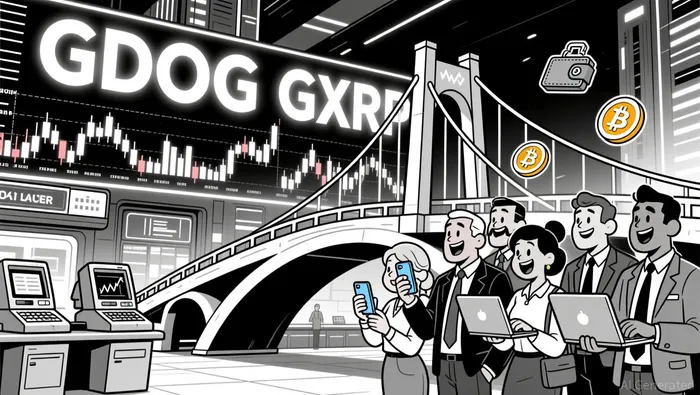
Grayscale's ETFs also benefit from the broader altcoin renaissance. With over 4 billion transactions on the XRP Ledger, XRP's utility in cross-border payments and decentralized finance (DeFi) applications positions it as a compelling case study for institutional and retail investors seeking diversification beyond Bitcoin and EthereumETH--.
Institutional Validation and Competitive Landscape
The approval of GDOG and GXRPGXRP-- by NYSE Arca-a subsidiary of the NYSE-underscores institutional validation of Grayscale's approach. The exchange submitted formal certification documents to the SEC, confirming compliance with listing and registration requirements. This endorsement is further reinforced by the presence of multiple XRP ETF providers, including Franklin Templeton and WisdomTree, which signal a competitive yet collaborative market environment.
Institutional interest is also evident in the rapid adoption of similar products. For example, Grayscale's Chainlink ETF (GLNK) is slated to launch shortly after the DOGE and XRP ETFs, reflecting a strategic focus on altcoins with real-world use cases. This trend aligns with the SEC's emphasis on disclosure, as institutional investors increasingly prioritize transparency and regulatory clarity when allocating capital to crypto assets.
Strategic Implications for the Meme and Altcoin Space
Grayscale's ETFs have far-reaching implications for the meme and altcoin markets. By offering regulated, publicly traded exposure, they reduce the stigma historically associated with speculative assets like DOGE. This could catalyze mainstream adoption, particularly among risk-averse investors who previously avoided crypto due to its perceived complexity or volatility.
However, challenges remain. The 0.35% fee for GDOG and GXRP may deter cost-sensitive investors compared to lower-fee Bitcoin ETFs. Additionally, the competitive landscape-marked by products like XRPC-could drive down fees and improve liquidity over time. For Grayscale, the key will be maintaining its first-mover advantage while adapting to market pressures.
Conclusion
Grayscale's DOGE and XRP Spot ETFs represent a watershed moment for altcoin investing. By combining regulatory compliance, retail accessibility, and institutional validation, these products are poised to redefine how investors engage with meme and altcoin assets. While challenges such as fee structures and price volatility persist, the broader trend toward crypto mainstreaming suggests that these ETFs will play a pivotal role in shaping the future of digital asset markets.





Comentarios
Aún no hay comentarios