
Graphic Packaging: Leading the Charge in Sustainable Packaging and ESG Innovation
The global shift toward sustainable practices has turned ESG (Environmental, Social, and Governance) metrics into a cornerstone of corporate strategy—and no company exemplifies this better than Graphic PackagingGPK-- (NYSE: GPK). With its 2024 Impact Report, the firm has laid out a blueprint for how ESG leadership can fuel growth in the paper packaging sector. Let's dissect the opportunities and challenges ahead.
The ESG Edge in Packaging
Graphic Packaging's 2024 report reveals a company that's not just keeping pace with sustainability trends but actively defining them. At its core is a focus on circularity: replacing plastic with recyclable paperboard, reducing waste, and advancing renewable energy use. These efforts are underpinned by its Vision 2030 strategy, which aims to make 100% of its products recyclable, cut greenhouse gas emissions by 40%, and eliminate manufacturing waste to landfills.
Environmental Leadership
Graphic Packaging's environmental initiatives are its strongest ESG calling card:
- Plastic Replacement: Replaced 1 billion plastic packages with paperboard alternatives in 2024, aligning with global demand for sustainable packaging.
- Recyclability: 97% of its packaging is now recyclable, compostable, or reusable—a milestone that positions it ahead of peers in the industry.
- Renewable Energy: A 70% renewable electricity target for European operations via a Virtual Power Purchase Agreement (VPPA) highlights its commitment to decarbonization.
- Waste Management: Diverted 69% of waste from landfills, recovering over 1 million metric tons of materials, including nearly all paperboard waste.
Social and Governance Strengths
Graphic Packaging's ESG profile extends beyond the environment:
- Employee Engagement: An 87% participation rate in its 2024 employee survey, with a 4% increase in engagement scores, signals a motivated workforce.
- Diversity & Inclusion: Ethnic diversity in the U.S. workforce rose to 30%, while women hold 27% of global leadership roles—progressive metrics in a male-dominated sector.
- Governance: A science-based target (SBT) validated by the Science-Based Targets Initiative (SBTi) ensures its climate goals are credible. The board's alignment with UN Global Compact principles reinforces its governance rigor.
Financial Resilience Amid Transition Costs
Despite near-term headwinds—like a 6% drop in Q1 2025 sales to $2.12 billion due to forex pressures—Graphic Packaging's long-term trajectory remains robust. Its $1.5 billion Waco, Texas recycled paperboard facility, set to begin production in late 2025, exemplifies strategic investment:
- Cost Savings: The plant aims to reduce reliance on virgin wood pulp, cutting costs and boosting EBITDA by $80 million annually by 越年.
- Regulatory Alignment: The facility will help meet EU packaging directives, positioning Graphic Packaging to capture demand for recycled content.
Investment Considerations
Graphic Packaging's ESG-driven growth story presents two key opportunities:
- ESG-Driven Demand Surge:
- Consumer and Corporate Shifts: Rising demand for sustainable packaging—from fast-moving consumer goods (FMCG) giants to tech companies—creates a tailwind.
Regulatory Tailwinds: Regulations like the EU's Packaging and Packaging Waste Directive (2030) will penalize non-recyclable materials, favoring firms like Graphic Packaging.
Operational Leverage:
- Waco Facility Synergies: The plant's scale and focus on recycled materials could reduce input costs, improving margins as fossil fuel prices remain volatile.
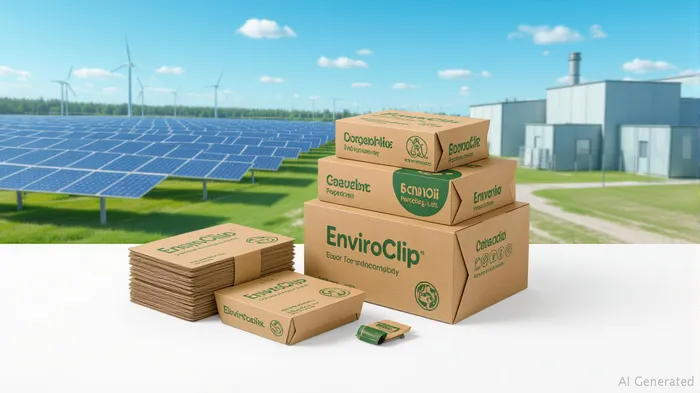
- Innovation Pipeline: Over 130 new patents in 2024, including Boardio™ and EnviroClip™, underscore its ability to monetize ESG trends through premium pricing.
Risks and Challenges
- Transition Costs: Upgrading infrastructure (e.g., renewable energy systems) and meeting SBTs may pressure short-term earnings.
- Commodity Volatility: Rising pulp and energy prices remain a risk, though the Waco facility's cost discipline should mitigate this over time.
- Competitor Imitation: Rivals may copy Graphic Packaging's innovations, though its patent portfolio and scale provide a buffer.
The Investment Thesis
Graphic Packaging is a best-in-class ESG play in the paper packaging sector. Its leadership in circularity, coupled with strategic investments like Waco, positions it to capitalize on regulatory shifts and consumer preferences. While near-term earnings face headwinds, its long-term ESG advantages—backed by strong governance and innovation—suggest it's a hold for patient investors and a buy on dips for those focused on ESG-driven growth.
For income investors, its dividend yield of 2.3% adds stability, while ESG-focused funds are likely to increase allocations as its credentials solidify. Monitor Q3 2025 results for early Waco facility impacts and Scope 1/2 emissions reductions to validate progress toward its 2030 goals.
In a world where sustainability isn't optional but essential, Graphic Packaging is proving that ESG isn't just about compliance—it's about building a future-proof business.





Comentarios
Aún no hay comentarios