
U.S. Government Shutdown Resolution and Its Implications for Market Stability
Political Dynamics and the Path to Resolution
The Senate's proposed resolution-a temporary funding patch extending through January 30, 2026-has emerged as a potential breakthrough. The deal includes a "minibus" measure to fully fund critical programs like SNAP (feeding 42 million Americans) and the Veterans Affairs (VA) department, while avoiding contentious healthcare subsidies demanded by Democrats, according to a New York Post report. Despite bipartisan support, the agreement faces scrutiny from progressive lawmakers, such as Senator Tammy Baldwin, who oppose its perceived concessions to Republican priorities, as reported by Wisn.com.
The political calculus is further complicated by the looming 2026 midterm elections. A swift resolution could bolster President Trump's claims of bipartisan governance, while a delayed outcome risks deepening partisan divides. According to a TradingView report, Senate leaders like Charles Schumer and Mike Johnson have emphasized the urgency of ending the shutdown to restore normal operations and alleviate strain on federal workers. However, the absence of guarantees on healthcare subsidies-set to expire in January 2026-leaves a policy vacuum that could reignite market jitters, as noted by an Economic Times report.
Economic Impacts and Market Volatility
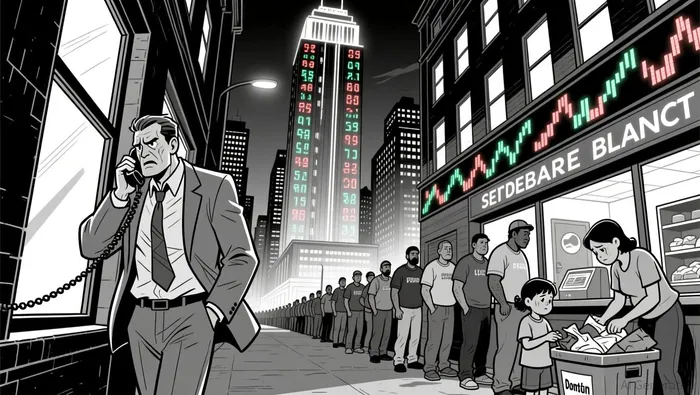
The shutdown's economic toll has been uneven. While major indices like the S&P 500 and Nasdaq remain near record highs, underlying breadth has deteriorated, with many stocks hitting 52-week lows, as noted in a Chandler Asset report. The disruption of official economic data releases has forced investors to rely on private indicators, such as the ISM Services Index and S&P Global Manufacturing PMI, which suggest moderate growth but weakening consumer sentiment, as described in the same Chandler Asset report.
The Congressional Budget Office estimates that the shutdown could reduce Q4 GDP by 1–2%, primarily due to delayed government spending and reduced consumer confidence, according to the Chandler Asset report. Meanwhile, bond yields have remained stable, signaling steady expectations for inflation and growth, as reported in the Chandler Asset report. Prediction markets like Polymarket reflect growing optimism, with a 92% probability of resolution by November 30, as noted in a Yahoo Finance article. This confidence is echoed in the performance of airline stocks, which have rallied despite the risk of flight cancellations, suggesting investors anticipate a swift end to the crisis, according to the Yahoo Finance article.
Sector-Specific Impacts and Investor Opportunities
The resolution's sector-specific implications are nuanced. For agriculture and veterans' services, the deal ensures continuity, with full-year funding for the Department of Agriculture and VA operations, as reported in an Economic Times report. This stability could benefit agribusinesses reliant on federal contracts and healthcare providers serving veterans. However, the exclusion of extended Affordable Care Act (ACA) subsidies leaves healthcare and insurance sectors exposed to uncertainty. Analysts warn that unresolved debates over ACA tax credits could create volatility in these markets, as noted in a Reuters report.
Energy markets have already responded to the prospect of a resolution. Oil prices edged higher on optimism that a government reopening would boost domestic demand for goods and services, according to an OilPrice article. Investors in energy and infrastructure may find opportunities in the anticipated resumption of federal projects and stimulus spending. Conversely, sectors like technology and financial services could face regulatory headwinds if Democrats regain influence in 2026, potentially leading to stricter oversight of big tech and financial institutions, as noted in the Reuters report.
Strategic Considerations for Investors
Investors must balance short-term relief with long-term risks. A successful Senate vote would likely trigger a market rebound, particularly in sectors like energy and defense, which stand to benefit from renewed government spending. However, the lack of clarity on healthcare subsidies and potential Democratic policy shifts necessitate a cautious approach.
Diversification remains key. Investors should overweight sectors with near-term tailwinds-such as agriculture and energy-while hedging against policy-driven risks in healthcare and technology. Additionally, monitoring private economic indicators and prediction markets (e.g., Polymarket) can provide early signals of market sentiment shifts, as noted in the Yahoo Finance article.
Conclusion
The resolution of the 2025 government shutdown represents a pivotal moment for market stability. While the Senate's bipartisan deal offers a path to ending the crisis, unresolved policy debates and political tensions will continue to shape investor strategies. By staying attuned to sector-specific dynamics and policy developments, investors can navigate the risks and opportunities inherent in this volatile environment.







Comentarios
Aún no hay comentarios