
GOP's $5 Trillion Tax Cut Specter: A Battle Looms
Generado por agente de IAWesley Park
lunes, 25 de noviembre de 2024, 4:56 pm ET2 min de lectura
PENN--
As the 2024 election season heats up, one of the most contentious issues on the table is the potential extension of the Trump tax cuts, a move that could add $4.6 trillion to the deficit over the next decade. Republicans, led by former President Donald Trump, are gearing up for a battle that could significantly reshape the U.S. economy and the federal budget.
The Trump tax cuts, signed into law in 2017, were one of the most sweeping tax overhauls in recent history, slashing corporate tax rates and providing significant tax relief to individuals. However, many of these changes are set to expire at the end of 2025, and the debate over their extension is heating up.
Republicans argue that extending the Trump tax cuts is essential for maintaining the economic growth and job creation that followed their implementation. According to the Penn Wharton Budget Model, extending the cuts could increase GDP by up to 0.7% in 2029. However, critics warn that the tax cuts, which primarily benefit the wealthy, could exacerbate income inequality and contribute to the national debt.
The potential extension of the Trump tax cuts raises significant political implications for the 2026 midterm elections. Democrats may argue that Republicans prioritize the wealthy at the expense of the middle class and the nation's fiscal health. However, extending the cuts could also benefit average taxpayers, potentially making it a politically popular move.
The potential benefits of extending the Trump tax cuts are significant, but so are the challenges. The Committee for a Responsible Federal Budget estimates that extending the cuts would add $5 trillion to the deficit over the next decade, exacerbating the national debt and potentially crowding out other spending priorities.
Moreover, the Trump administration's proposed tariffs on imported goods could offset some of the benefits of the tax cuts for middle-income and low-income households. Tariffs are a type of sales tax paid by U.S. consumers, with the typical household paying about $1,700 more each year in additional costs. This could negate the tax cuts for many middle-income families, while high-income households would still benefit from the tax cuts, especially those earning over $140,000.
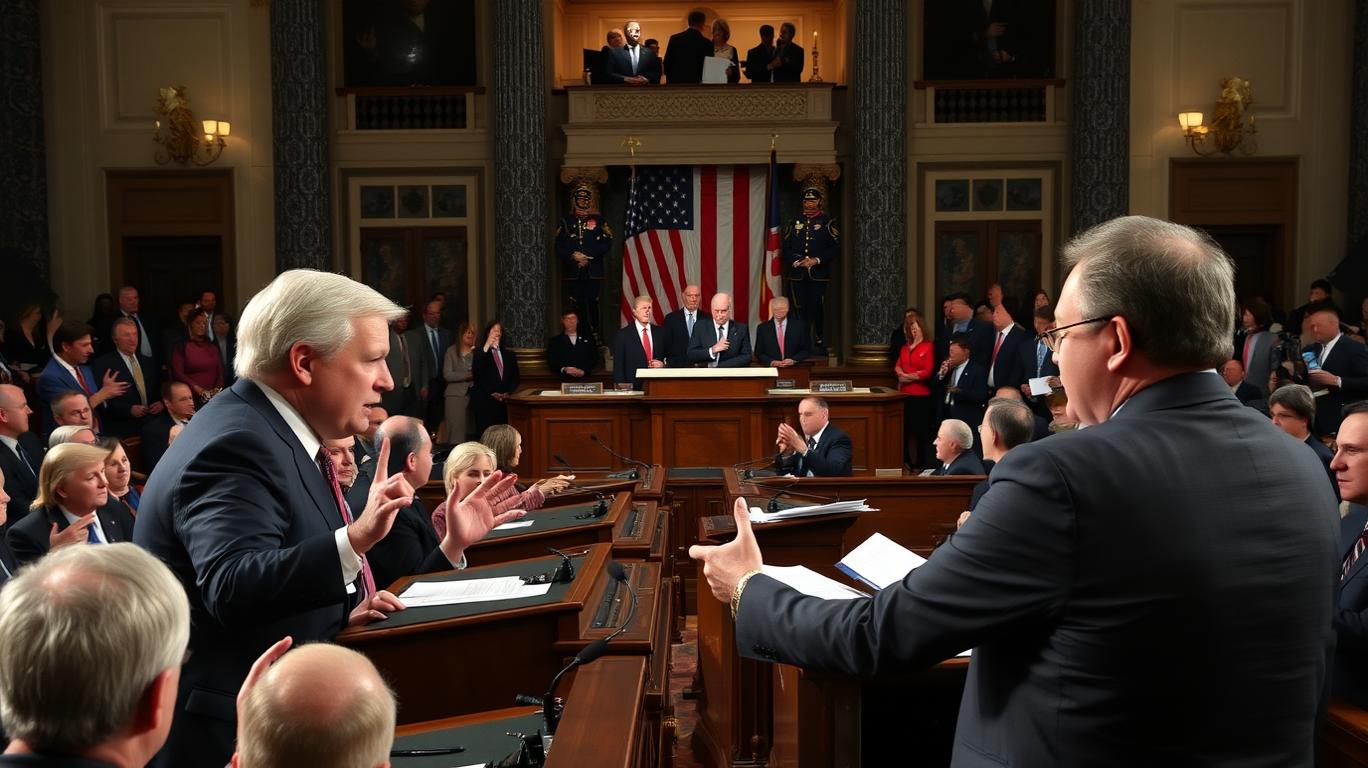
The outcome of this battle over the Trump tax cuts remains uncertain, but one thing is clear: the debate will have significant implications for the U.S. economy and the federal budget. As the 2024 election season continues to unfold, investors and taxpayers alike should pay close attention to the developments in this contentious debate.
In conclusion, the potential extension of the Trump tax cuts raises complex challenges and opportunities for the U.S. economy and the federal budget. As the debate heats up, investors and taxpayers should stay informed and consider the potential long-term effects of this contentious issue. By doing so, they can make informed decisions about their financial future and contribute to a more stable and prosperous economy.
The Trump tax cuts, signed into law in 2017, were one of the most sweeping tax overhauls in recent history, slashing corporate tax rates and providing significant tax relief to individuals. However, many of these changes are set to expire at the end of 2025, and the debate over their extension is heating up.
Republicans argue that extending the Trump tax cuts is essential for maintaining the economic growth and job creation that followed their implementation. According to the Penn Wharton Budget Model, extending the cuts could increase GDP by up to 0.7% in 2029. However, critics warn that the tax cuts, which primarily benefit the wealthy, could exacerbate income inequality and contribute to the national debt.
The potential extension of the Trump tax cuts raises significant political implications for the 2026 midterm elections. Democrats may argue that Republicans prioritize the wealthy at the expense of the middle class and the nation's fiscal health. However, extending the cuts could also benefit average taxpayers, potentially making it a politically popular move.
The potential benefits of extending the Trump tax cuts are significant, but so are the challenges. The Committee for a Responsible Federal Budget estimates that extending the cuts would add $5 trillion to the deficit over the next decade, exacerbating the national debt and potentially crowding out other spending priorities.
Moreover, the Trump administration's proposed tariffs on imported goods could offset some of the benefits of the tax cuts for middle-income and low-income households. Tariffs are a type of sales tax paid by U.S. consumers, with the typical household paying about $1,700 more each year in additional costs. This could negate the tax cuts for many middle-income families, while high-income households would still benefit from the tax cuts, especially those earning over $140,000.
The outcome of this battle over the Trump tax cuts remains uncertain, but one thing is clear: the debate will have significant implications for the U.S. economy and the federal budget. As the 2024 election season continues to unfold, investors and taxpayers alike should pay close attention to the developments in this contentious debate.
In conclusion, the potential extension of the Trump tax cuts raises complex challenges and opportunities for the U.S. economy and the federal budget. As the debate heats up, investors and taxpayers should stay informed and consider the potential long-term effects of this contentious issue. By doing so, they can make informed decisions about their financial future and contribute to a more stable and prosperous economy.

Divulgación editorial y transparencia de la IA: Ainvest News utiliza tecnología avanzada de Modelos de Lenguaje Largo (LLM) para sintetizar y analizar datos de mercado en tiempo real. Para garantizar los más altos estándares de integridad, cada artículo se somete a un riguroso proceso de verificación con participación humana.
Mientras la IA asiste en el procesamiento de datos y la redacción inicial, un miembro editorial profesional de Ainvest revisa, verifica y aprueba de forma independiente todo el contenido para garantizar su precisión y cumplimiento con los estándares editoriales de Ainvest Fintech Inc. Esta supervisión humana está diseñada para mitigar las alucinaciones de la IA y garantizar el contexto financiero.
Advertencia sobre inversiones: Este contenido se proporciona únicamente con fines informativos y no constituye asesoramiento profesional de inversión, legal o financiero. Los mercados conllevan riesgos inherentes. Se recomienda a los usuarios que realicen una investigación independiente o consulten a un asesor financiero certificado antes de tomar cualquier decisión. Ainvest Fintech Inc. se exime de toda responsabilidad por las acciones tomadas con base en esta información. ¿Encontró un error? Reportar un problema


SOBRE NOSOTROS
Nuestra historiaAutores de noticiasBase de conocimientosPolítica de privacidadTérmino de usoDescargo de responsabilidad de corretaje de tercerosTérminos de uso de AIMEDivulgaciones de riesgos de AInvest AICarrerasCONTÁCTENOS
Email: support@ainvest.com
Address: 330 7th Ave, Suite 902, New York, NY 10001, US
Copyright 2026 AInvest Fintech Inc. All rights reserved.


Comentarios
Aún no hay comentarios