
Google to Power AI Data Centers with Nuclear Energy by 2030
PorAinvest
lunes, 18 de agosto de 2025, 6:31 pm ET2 min de lectura
GOOGL--
The 500-megawatt capacity of the reactor, developed by Kairos Power using its advanced reactor technology, will be used to power Google's data centers in Tennessee and Alabama. The project marks a substantial investment in nuclear technology by Google, which aims to meet the growing energy demands of its data centers, particularly those supporting artificial intelligence (AI) applications [1].
The collaboration between Google, Kairos Power, and TVA is notable for several reasons. First, it represents the first time a US utility has signed a power purchase agreement with an advanced nuclear plant. Second, it highlights the potential of SMRs to provide scalable, cost-effective, and reliable power. Third, it underscores the importance of public-private partnerships in driving innovation in the energy sector [2].
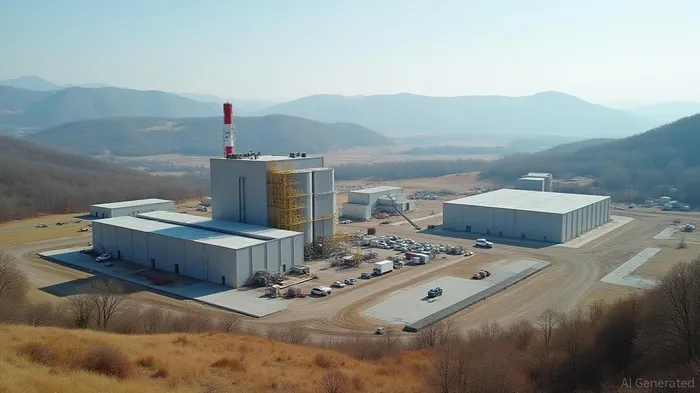
The project is set to be built in Oak Ridge, Tennessee, and will be connected to TVA's grid. The utility has agreed to purchase up to 50 megawatts of power from Kairos' Hermes 2 reactor, which will be the first deployment under an agreement signed last year between Google and Kairos to commercialize the startup's nuclear technology [3].
The deployment of advanced nuclear reactors is seen as essential for maintaining US AI dominance and energy leadership. The project is expected to accelerate the deployment of innovative nuclear technologies and help support the needs of the growing digital economy while providing firm carbon-free energy to the electricity system [1].
While the cost of building the plant has not been disclosed, the project is expected to be a significant financial commitment for Google and Kairos Power. However, the collaboration with TVA ensures that consumers are not on the hook for the cost of building the plant, which is a significant advantage for the project [2].
The project is a step forward in the US's nuclear renaissance, which has been hindered by the high costs and delays associated with traditional nuclear plant construction. Startups like Kairos believe that their smaller, more modular reactors can provide a more cost-effective and efficient solution [3].
In conclusion, Google's investment in a small modular reactor in Tennessee is a significant step towards meeting the energy demands of its data centers while promoting the development of advanced nuclear technologies. The project highlights the potential of public-private partnerships in driving innovation in the energy sector and underscores the importance of clean, reliable power for the digital economy.
References:
[1] https://energy.economictimes.indiatimes.com/news/power/google-announces-tennessee-as-site-for-small-modular-nuclear-reactor/123366416
[2] https://www.cnbc.com/2025/08/18/google-kairos-nuclear-smr-tennessee-valley-authority-tva-data-center-ai.html
[3] https://www.washingtonpost.com/business/2025/08/18/tva-google-kairos-nuclear-data-center/6a96f638-7c70-11f0-971c-6c8e53bd2f21_story.html
Google is building its first small modular reactor (SMR) in Tennessee, with energy expected to start flowing by 2030. The deal will deliver about 500 megawatts of capacity for Google's data centers in Tennessee and Alabama, using Kairos Power's advanced reactor technology in partnership with the Tennessee Valley Authority. This project is a sign of how energy-intensive AI has become, and Google's willingness to invest in new nuclear tech to keep its data centers running on clean, steady power.
Google, in partnership with Kairos Power and the Tennessee Valley Authority (TVA), has announced plans to build a small modular reactor (SMR) in Tennessee, with energy expected to start flowing by 2030. The project, which is part of Google's broader strategy to invest in clean, reliable power for its data centers, is a significant milestone in the development of advanced nuclear technologies.The 500-megawatt capacity of the reactor, developed by Kairos Power using its advanced reactor technology, will be used to power Google's data centers in Tennessee and Alabama. The project marks a substantial investment in nuclear technology by Google, which aims to meet the growing energy demands of its data centers, particularly those supporting artificial intelligence (AI) applications [1].
The collaboration between Google, Kairos Power, and TVA is notable for several reasons. First, it represents the first time a US utility has signed a power purchase agreement with an advanced nuclear plant. Second, it highlights the potential of SMRs to provide scalable, cost-effective, and reliable power. Third, it underscores the importance of public-private partnerships in driving innovation in the energy sector [2].
The project is set to be built in Oak Ridge, Tennessee, and will be connected to TVA's grid. The utility has agreed to purchase up to 50 megawatts of power from Kairos' Hermes 2 reactor, which will be the first deployment under an agreement signed last year between Google and Kairos to commercialize the startup's nuclear technology [3].
The deployment of advanced nuclear reactors is seen as essential for maintaining US AI dominance and energy leadership. The project is expected to accelerate the deployment of innovative nuclear technologies and help support the needs of the growing digital economy while providing firm carbon-free energy to the electricity system [1].
While the cost of building the plant has not been disclosed, the project is expected to be a significant financial commitment for Google and Kairos Power. However, the collaboration with TVA ensures that consumers are not on the hook for the cost of building the plant, which is a significant advantage for the project [2].
The project is a step forward in the US's nuclear renaissance, which has been hindered by the high costs and delays associated with traditional nuclear plant construction. Startups like Kairos believe that their smaller, more modular reactors can provide a more cost-effective and efficient solution [3].
In conclusion, Google's investment in a small modular reactor in Tennessee is a significant step towards meeting the energy demands of its data centers while promoting the development of advanced nuclear technologies. The project highlights the potential of public-private partnerships in driving innovation in the energy sector and underscores the importance of clean, reliable power for the digital economy.
References:
[1] https://energy.economictimes.indiatimes.com/news/power/google-announces-tennessee-as-site-for-small-modular-nuclear-reactor/123366416
[2] https://www.cnbc.com/2025/08/18/google-kairos-nuclear-smr-tennessee-valley-authority-tva-data-center-ai.html
[3] https://www.washingtonpost.com/business/2025/08/18/tva-google-kairos-nuclear-data-center/6a96f638-7c70-11f0-971c-6c8e53bd2f21_story.html
Divulgación editorial y transparencia de la IA: Ainvest News utiliza tecnología avanzada de Modelos de Lenguaje Largo (LLM) para sintetizar y analizar datos de mercado en tiempo real. Para garantizar los más altos estándares de integridad, cada artículo se somete a un riguroso proceso de verificación con participación humana.
Mientras la IA asiste en el procesamiento de datos y la redacción inicial, un miembro editorial profesional de Ainvest revisa, verifica y aprueba de forma independiente todo el contenido para garantizar su precisión y cumplimiento con los estándares editoriales de Ainvest Fintech Inc. Esta supervisión humana está diseñada para mitigar las alucinaciones de la IA y garantizar el contexto financiero.
Advertencia sobre inversiones: Este contenido se proporciona únicamente con fines informativos y no constituye asesoramiento profesional de inversión, legal o financiero. Los mercados conllevan riesgos inherentes. Se recomienda a los usuarios que realicen una investigación independiente o consulten a un asesor financiero certificado antes de tomar cualquier decisión. Ainvest Fintech Inc. se exime de toda responsabilidad por las acciones tomadas con base en esta información. ¿Encontró un error? Reportar un problema




Comentarios
Aún no hay comentarios