
Google's New Feature: Kids Can Now Use Google Wallet for In-Store Payments
Generado por agente de IAHarrison Brooks
miércoles, 19 de marzo de 2025, 11:00 am ET2 min de lectura
GOOGL--
In the ever-evolving landscape of digital payments, GoogleGOOGL-- has taken a significant step forward by allowing children to use Google Wallet for in-store payments. This new feature, available in select countries, is a bold move that promises convenience and independence for kidsKIDS-- while raising important questions about security, privacy, and financial education.
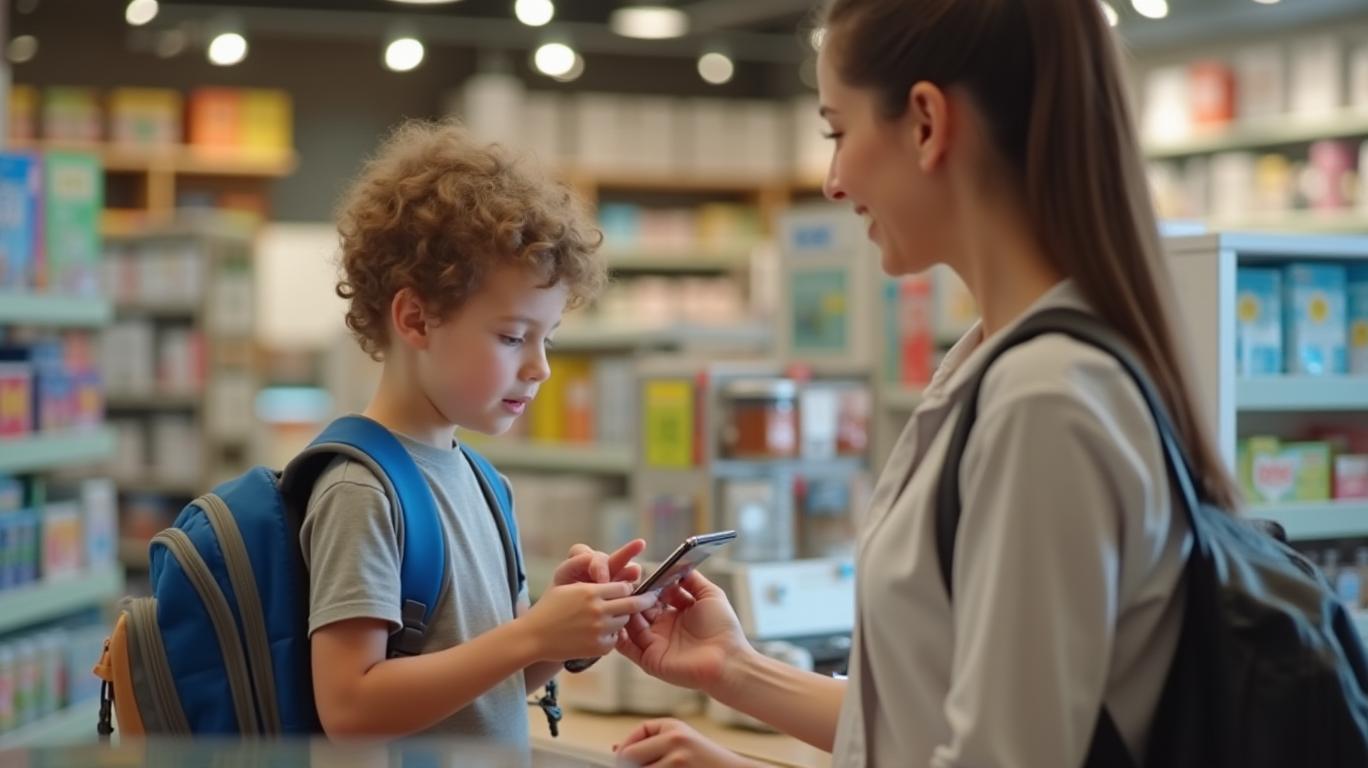
The feature, announced recently, enables children with Android phones to tap to pay at stores using Google Wallet in the United States, United Kingdom, Australia, Spain, and Poland. Parents and guardians in these countries can now allow their children to access digital payments on their Android devices with supervision. This means kids can enjoy the convenience of making payments without needing to carry physical cash or cards, fostering a sense of independence and responsibility. For example, kids can also use Google Wallet to access supported passes, like event tickets, library cards, and gift cards. This allows children to manage their own transactions for small purchases or activities.
However, this convenience comes with potential risks. One of the primary concerns is overspending. Children may not fully understand the value of money and could overspend if given unrestricted access to digital payments. Parents need to monitor their child's spending habits closely to prevent this. Google has implemented several measures to mitigate this risk. A payment card can only be added to a child's Google Wallet with parental consent, and parents will receive an email notification whenever their child makes a transaction. Additionally, parents can use Google's Family Link app to track their child's recent purchases, remove payment cards, and turn off access to passes. This gives parents full control over their child's digital payments and ensures that they are aware of all transactions made using Google Wallet.
Another risk is the potential loss or theft of the device. If a child's device is lost or stolen, there is a risk that someone else could gain access to the Google Wallet and make unauthorized purchases. However, Google Wallet requires authentication using a fingerprint, PIN, or passcode before the ID pass is viewable or shareable, which mitigates this risk to some extent.
The launch of this feature also raises questions about financial education. Relying solely on digital payments may hinder a child's understanding of physical money and financial management. It's important for parents to educate their children about money and budgeting alongside allowing them to use digital payment methods. Google Wallet keeps your digital IDs safe with Android’s advanced security that is private by design. ID passes are stored encrypted, meaning you must authenticate using your fingerprint, PIN or passcode before the ID pass is viewable or shareable.
In conclusion, while allowing kids to use Google Wallet for in-store payments offers convenience and independence, it also comes with risks such as overspending and potential loss or theft of the device. Parents can mitigate these risks through close supervision and education about financial responsibility. Google's new feature is a step forward in the world of digital payments, but it also serves as a reminder of the importance of balancing convenience with security and education.
In the ever-evolving landscape of digital payments, GoogleGOOGL-- has taken a significant step forward by allowing children to use Google Wallet for in-store payments. This new feature, available in select countries, is a bold move that promises convenience and independence for kidsKIDS-- while raising important questions about security, privacy, and financial education.
The feature, announced recently, enables children with Android phones to tap to pay at stores using Google Wallet in the United States, United Kingdom, Australia, Spain, and Poland. Parents and guardians in these countries can now allow their children to access digital payments on their Android devices with supervision. This means kids can enjoy the convenience of making payments without needing to carry physical cash or cards, fostering a sense of independence and responsibility. For example, kids can also use Google Wallet to access supported passes, like event tickets, library cards, and gift cards. This allows children to manage their own transactions for small purchases or activities.
However, this convenience comes with potential risks. One of the primary concerns is overspending. Children may not fully understand the value of money and could overspend if given unrestricted access to digital payments. Parents need to monitor their child's spending habits closely to prevent this. Google has implemented several measures to mitigate this risk. A payment card can only be added to a child's Google Wallet with parental consent, and parents will receive an email notification whenever their child makes a transaction. Additionally, parents can use Google's Family Link app to track their child's recent purchases, remove payment cards, and turn off access to passes. This gives parents full control over their child's digital payments and ensures that they are aware of all transactions made using Google Wallet.
Another risk is the potential loss or theft of the device. If a child's device is lost or stolen, there is a risk that someone else could gain access to the Google Wallet and make unauthorized purchases. However, Google Wallet requires authentication using a fingerprint, PIN, or passcode before the ID pass is viewable or shareable, which mitigates this risk to some extent.
The launch of this feature also raises questions about financial education. Relying solely on digital payments may hinder a child's understanding of physical money and financial management. It's important for parents to educate their children about money and budgeting alongside allowing them to use digital payment methods. Google Wallet keeps your digital IDs safe with Android’s advanced security that is private by design. ID passes are stored encrypted, meaning you must authenticate using your fingerprint, PIN or passcode before the ID pass is viewable or shareable.
In conclusion, while allowing kids to use Google Wallet for in-store payments offers convenience and independence, it also comes with risks such as overspending and potential loss or theft of the device. Parents can mitigate these risks through close supervision and education about financial responsibility. Google's new feature is a step forward in the world of digital payments, but it also serves as a reminder of the importance of balancing convenience with security and education.

Divulgación editorial y transparencia de la IA: Ainvest News utiliza tecnología avanzada de Modelos de Lenguaje Largo (LLM) para sintetizar y analizar datos de mercado en tiempo real. Para garantizar los más altos estándares de integridad, cada artículo se somete a un riguroso proceso de verificación con participación humana.
Mientras la IA asiste en el procesamiento de datos y la redacción inicial, un miembro editorial profesional de Ainvest revisa, verifica y aprueba de forma independiente todo el contenido para garantizar su precisión y cumplimiento con los estándares editoriales de Ainvest Fintech Inc. Esta supervisión humana está diseñada para mitigar las alucinaciones de la IA y garantizar el contexto financiero.
Advertencia sobre inversiones: Este contenido se proporciona únicamente con fines informativos y no constituye asesoramiento profesional de inversión, legal o financiero. Los mercados conllevan riesgos inherentes. Se recomienda a los usuarios que realicen una investigación independiente o consulten a un asesor financiero certificado antes de tomar cualquier decisión. Ainvest Fintech Inc. se exime de toda responsabilidad por las acciones tomadas con base en esta información. ¿Encontró un error? Reportar un problema




Comentarios
Aún no hay comentarios