
Goldman Sachs: Ukraine Ceasefire Unlikely to Boost Russia's Oil Output
Generado por agente de IATheodore Quinn
miércoles, 19 de febrero de 2025, 2:01 am ET1 min de lectura
GBXB--
Goldman Sachs Research has released a report suggesting that a potential Ukraine-Russia peace deal and associated easing in sanctions on Russia is unlikely to significantly raise Russia's oil flows. The investment bank believes that Russia's crude oil production is constrained by its OPEC+ 9 million barrels per day (bpd) production target rather than current sanctions, which are affecting the destination but not the volume of oil exports.
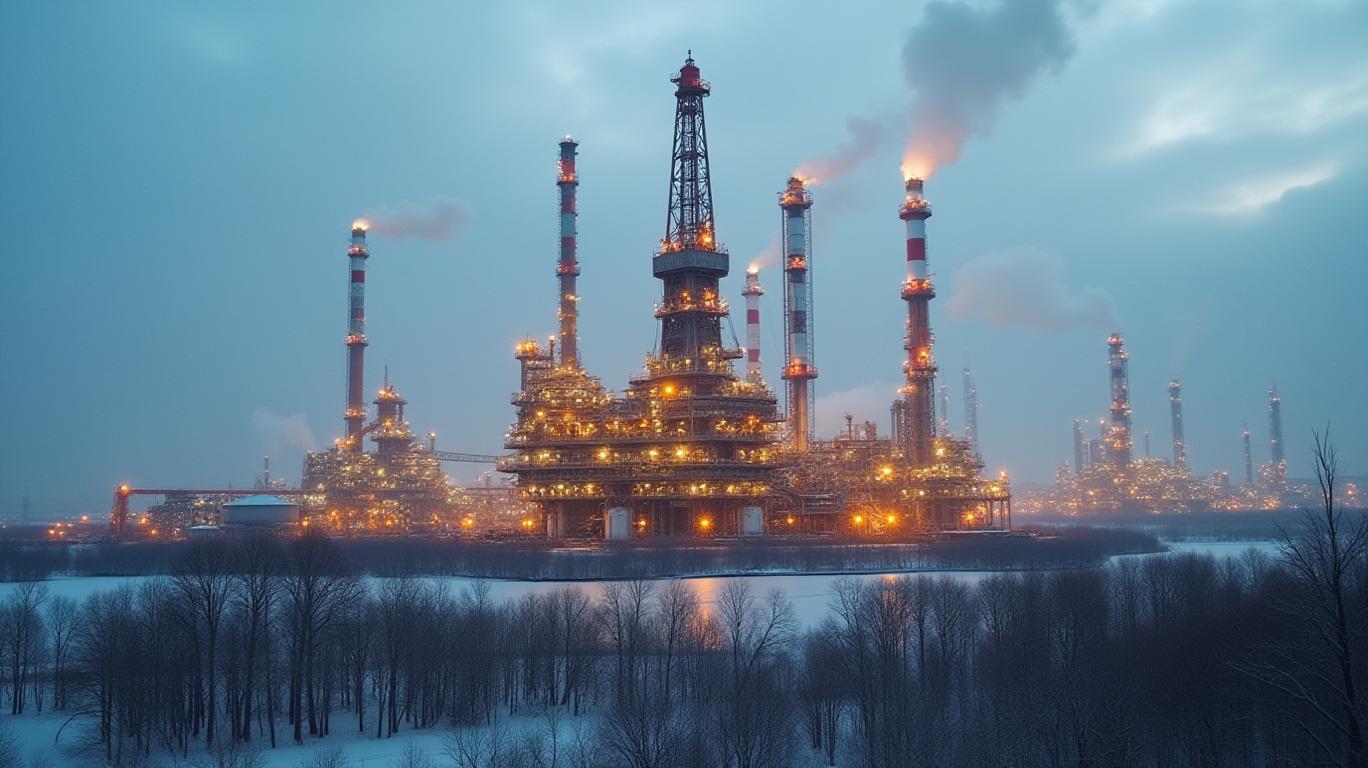
The report highlights that Russia's crude oil production has been relatively resilient despite sanctions, with the International Energy Agency (IEA) revising its forecasts to acknowledge Russia's ability to maintain output. In February 2023, the IEA stated that Russia's crude oil production had risen by 100,000 bpd in January, hitting 9.2 million bpd, despite facing Western sanctions. This increase in production underscores Russia's ability to find workarounds and maintain its oil output, which aligns with Goldman Sachs' assessment that Russia's production is constrained by its OPEC+ target rather than sanctions.
Moreover, the U.S. Energy Information Administration (EIA) in its Short-Term Energy Outlook (STEO) for November 2023, acknowledges that Russia's liquid fuels production has been more robust than expected since the invasion, averaging 10.8 million b/d since March 2022. The EIA also notes that Russia has adapted and shifted trade flows, with Russia increasingly exporting its liquid fuels to different markets, primarily by sea. This adaptation and resilience in Russia's oil production further support Goldman Sachs' assessment that Russia's production is constrained by its OPEC+ target rather than sanctions.

In conclusion, Goldman Sachs Research's report suggests that a potential Ukraine-Russia peace deal and associated easing in sanctions on Russia is unlikely to significantly raise Russia's oil flows. The investment bank believes that Russia's crude oil production is constrained by its OPEC+ 9 million bpd production target rather than current sanctions, which are affecting the destination but not the volume of oil exports. This assessment aligns with other market analysts' views, as they both acknowledge Russia's ability to maintain oil output despite sanctions and highlight the resilience of Russia's oil production.
Goldman Sachs Research has released a report suggesting that a potential Ukraine-Russia peace deal and associated easing in sanctions on Russia is unlikely to significantly raise Russia's oil flows. The investment bank believes that Russia's crude oil production is constrained by its OPEC+ 9 million barrels per day (bpd) production target rather than current sanctions, which are affecting the destination but not the volume of oil exports.
The report highlights that Russia's crude oil production has been relatively resilient despite sanctions, with the International Energy Agency (IEA) revising its forecasts to acknowledge Russia's ability to maintain output. In February 2023, the IEA stated that Russia's crude oil production had risen by 100,000 bpd in January, hitting 9.2 million bpd, despite facing Western sanctions. This increase in production underscores Russia's ability to find workarounds and maintain its oil output, which aligns with Goldman Sachs' assessment that Russia's production is constrained by its OPEC+ target rather than sanctions.
Moreover, the U.S. Energy Information Administration (EIA) in its Short-Term Energy Outlook (STEO) for November 2023, acknowledges that Russia's liquid fuels production has been more robust than expected since the invasion, averaging 10.8 million b/d since March 2022. The EIA also notes that Russia has adapted and shifted trade flows, with Russia increasingly exporting its liquid fuels to different markets, primarily by sea. This adaptation and resilience in Russia's oil production further support Goldman Sachs' assessment that Russia's production is constrained by its OPEC+ target rather than sanctions.
In conclusion, Goldman Sachs Research's report suggests that a potential Ukraine-Russia peace deal and associated easing in sanctions on Russia is unlikely to significantly raise Russia's oil flows. The investment bank believes that Russia's crude oil production is constrained by its OPEC+ 9 million bpd production target rather than current sanctions, which are affecting the destination but not the volume of oil exports. This assessment aligns with other market analysts' views, as they both acknowledge Russia's ability to maintain oil output despite sanctions and highlight the resilience of Russia's oil production.

Divulgación editorial y transparencia de la IA: Ainvest News utiliza tecnología avanzada de Modelos de Lenguaje Largo (LLM) para sintetizar y analizar datos de mercado en tiempo real. Para garantizar los más altos estándares de integridad, cada artículo se somete a un riguroso proceso de verificación con participación humana.
Mientras la IA asiste en el procesamiento de datos y la redacción inicial, un miembro editorial profesional de Ainvest revisa, verifica y aprueba de forma independiente todo el contenido para garantizar su precisión y cumplimiento con los estándares editoriales de Ainvest Fintech Inc. Esta supervisión humana está diseñada para mitigar las alucinaciones de la IA y garantizar el contexto financiero.
Advertencia sobre inversiones: Este contenido se proporciona únicamente con fines informativos y no constituye asesoramiento profesional de inversión, legal o financiero. Los mercados conllevan riesgos inherentes. Se recomienda a los usuarios que realicen una investigación independiente o consulten a un asesor financiero certificado antes de tomar cualquier decisión. Ainvest Fintech Inc. se exime de toda responsabilidad por las acciones tomadas con base en esta información. ¿Encontró un error? Reportar un problema


SOBRE NOSOTROS
Nuestra historiaAutores de noticiasBase de conocimientosPolítica de privacidadTérmino de usoDescargo de responsabilidad de corretaje de tercerosTérminos de uso de AIMEDivulgaciones de riesgos de AInvest AICarrerasCONTÁCTENOS
Email: support@ainvest.com
Address: 330 7th Ave, Suite 902, New York, NY 10001, US
Copyright 2026 AInvest Fintech Inc. All rights reserved.


Comentarios
Aún no hay comentarios