
Gold's New All-Time High: Strategic Implications for a Geopolitically Turbulent Era
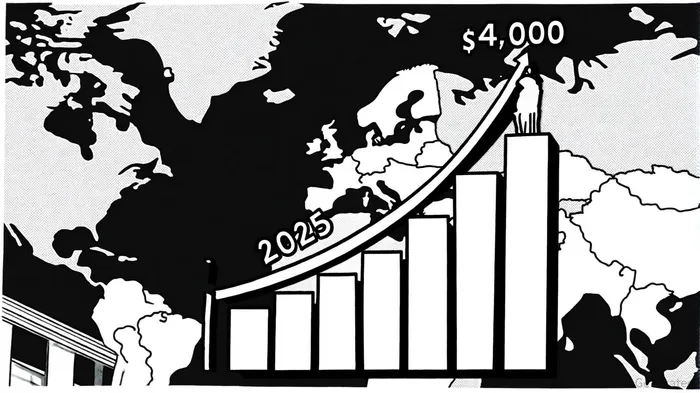
The recent surge in gold prices to an unprecedented $4,000 per ounce in October 2025[1] marks a pivotal moment in global financial markets. This milestone, surpassing the 1979 peak adjusted for inflation[2], reflects a confluence of macroeconomic forces and geopolitical risks that are reshaping asset allocation strategies. As central banks in emerging markets and developed economies alike pivot toward gold as a strategic reserve, investors must reassess its role in portfolios amid a backdrop of systemic uncertainty.
Macroeconomic Drivers: From Inflation to Dollar Devaluation
Gold's ascent is underpinned by three interrelated factors: persistent inflation, central bank policy shifts, and the erosion of the U.S. dollar's dominance. According to a report by Financial Content, global central banks-particularly in China, Poland, and India-have aggressively accumulated gold reserves in 2025 to hedge against dollar volatility and potential financial sanctions[3]. This structural shift in reserve management has transformed gold from a defensive asset into a cornerstone of geopolitical risk mitigation.
Simultaneously, the Federal Reserve's accommodative stance has reduced the opportunity cost of holding non-yielding assets like gold. As stated by Discovery Alert, expectations of rate cuts in 2025 have weakened the dollar's appeal, further amplifying gold's allure[4]. Meanwhile, inflationary pressures, though moderating, remain embedded in global economies, ensuring gold's role as a hedge against purchasing power erosion.
Portfolio Resilience: Gold's Unique Risk-Return Profile
Historical data underscores gold's effectiveness as a diversifier during geopolitical turbulence. A 2025 analysis by Gold Prosperity Hub reveals that gold's low correlation with equities and bonds-driven by its status as a monetary asset-has made it a critical component of crisis-resilient portfolios[5]. For instance, during the 2024 spike in Middle East tensions, gold delivered a 28% return while equities and bonds faltered[6].
Modern Portfolio Theory suggests allocating 5–10% of assets to gold to enhance risk-adjusted returns[7]. This approach is particularly relevant in 2025, where geopolitical volatility has rendered traditional asset correlations less predictable. Conservative investors may justify higher allocations (up to 40%) to prioritize capital preservation, while growth-oriented portfolios might retain smaller gold exposure to balance long-term equity gains[8].
Strategic Implications: Navigating a Fractured Global Order
The strategic implications of gold's new all-time high extend beyond portfolio mechanics. Central banks' gold purchases signal a broader rejection of dollar-centric reserve systems, accelerating the fragmentation of global financial architecture[9]. For investors, this means rethinking exposure to dollar-denominated assets and incorporating gold as a proxy for geopolitical stability.
Moreover, the interplay between trade tensions and gold prices highlights the metal's role as a barometer of systemic risk. The 2024 U.S. tariff announcements, for example, triggered sharp increases in COMEX gold futures, reflecting market anticipation of economic disruption[10]. Such dynamics underscore the need for proactive hedging strategies in an era where policy-driven shocks are increasingly frequent.
Conclusion: A New Paradigm for Asset Allocation
Gold's record high is not an anomaly but a symptom of deeper structural shifts. As geopolitical risks and monetary uncertainty persist, gold's dual role as an inflation hedge and a geopolitical safeguard will remain indispensable. Investors must adapt by integrating gold into their portfolios not as a speculative play but as a foundational element of resilience. In this turbulent era, the strategic allocation to gold is less a choice and more a necessity.







Comentarios
Aún no hay comentarios