
The New Gold Rush: How Scarcity-Driven Digital Assets Are Reshaping Wealth for a Digital Generation
In the shadow of a crumbling traditional wealth model—where real estate prices outpace incomes and stock markets feel increasingly abstract—Gen Z and Millennials are forging a new path. They're not just collectors or investors; they're curators of a digital renaissance, where tokenized collectibles and crypto are redefining scarcity, identity, and value. This isn't a speculative bubble—it's a cultural shift.
The Scarcity Play: Digital Assets as the New “Gold”
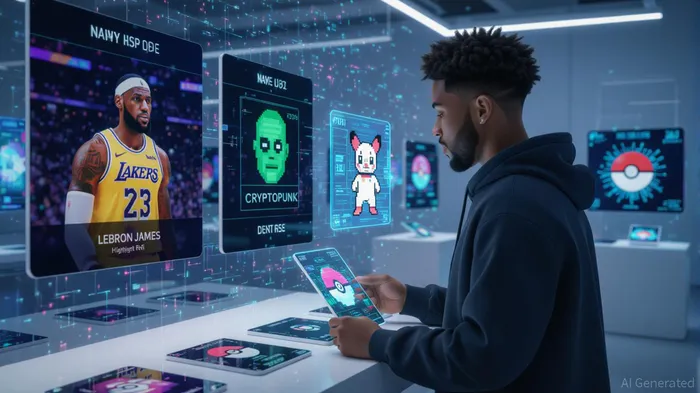
Scarcity has always driven value. The difference today is that it's no longer confined to physical objects. Tokenized collectibles—NFTs, phygital (physical + digital) assets, and blockchain-verified trading cards—leverage code to create digital scarcity. For a generation raised on Instagram likes and TikTok virality, owning a verified piece of digital history (e.g., a LeBron James dunk moment or a rare CryptoPunk) is as tangible as a limited-edition sneaker.
Consider the NBA Top Shot platform, where 35% of users are under 25. These aren't just “digital stickers”—they're time capsules of cultural moments, traded on a global, permissionless ledger. The 2023 NFT market's $22 billion valuation (up 220x from 2020) isn't just a number; it's a testament to how younger generations are weaponizing scarcity in a world where everything else feels infinite.
Cultural Resonance: From Fandom to Financialization
Tokenized collectibles thrive where culture and community collide. Take Pudgy Penguins, a project that began as a digital art experiment but evolved into a $1.2 billion ecosystem with merchandise, games, and even a charity initiative. For Gen Z and Millennials, these assets aren't just investments—they're social capital.
The rise of “phygital” collectibles, like Orange Cap Games' hybrid trading cards, bridges the gap between nostalgia and innovation. A physical card might come with a blockchain-verified digital twin, offering the tactile joy of a childhood hobby and the liquidity of a global market. This duality taps into a generation's desire to honor the past while building the future.
Moreover, platforms like VeVe (which partners with Marvel and Star Wars) have turned digital art into a $500 million industry. These aren't just pixels—they're access passes to exclusive communities, where ownership unlocks experiences (e.g., virtual concerts, metaverse events) and social status.
The Democratization of Wealth: Why This Matters
Traditional wealth creation is broken for many young people. Real estate is unattainable, and public markets are dominated by algorithms and institutions. Tokenized collectibles offer an alternative: assets that are:
- Accessible: Mobile-first platforms like Pokémon Trading Card Game Pocket require no crypto expertise.
- Liquid: Unlike a house, a rare NFT can be sold in minutes.
- Culturally relevant: Value is tied to trends, not interest rates.
This democratization is accelerating in emerging markets. In India, for example, 60% of NFT buyers are under 30, drawn by low entry costs and the allure of global markets. As smartphone penetration rises, so does the potential for tokenized assets to become a universal store of value.
Investment Advice: Navigating the Frontier
For investors, the key is to separate hype from substance. Here's how to approach this space:
1. Focus on Utility: Look for projects with real-world applications (e.g., Sorare's fantasy sports NFTs, which generate income through play-to-earn models).
2. Diversify Across Platforms: Allocate to both blue-chip NFTs (e.g., Bored Ape Yacht Club) and emerging phygital ecosystems.
3. Monitor Regulatory Shifts: While the U.S. lags, countries like Singapore and Dubai are creating NFT-friendly frameworks.
4. Leverage Data: Track on-chain metrics (e.g., floor prices, trading volume) and social sentiment (e.g., Twitter engagement, Discord activity).
The Future of Wealth Is Digital
Gen Z and Millennials aren't just buying NFTs—they're building a new economy. Tokenized collectibles represent more than a financial asset; they're a cultural artifact of a generation that values identity, community, and adaptability. As these assets become more integrated with gaming, metaverse platforms, and decentralized finance (DeFi), their role in wealth creation will only expand.
For investors, the lesson is clear: the next gold rush isn't in a mine—it's in the code. And those who understand scarcity, culture, and the power of digital communities will be the ones who strike it rich.







Comentarios
Aún no hay comentarios