
Gold's Recent Rally: Sustained Momentum or Short-Lived Sizzle?
The yellow metal's ascent has captivated markets in recent months, with prices surging to near-record highs. As of late May 2025, gold trades at $2,651 per ounce, fueled by dovish Federal Reserve policies, geopolitical turbulence, and resilient central bank demand. But is this rally a durable trend or a fleeting reaction to transitory factors? Let's dissect the technical and macroeconomic forces at play.
The Technical Case for Gold's Momentum
Gold's technical chart paints a bullish picture, with key resistance levels now acting as stepping stones rather than barriers. Since late 2024, prices have broken through $2,600—a psychological threshold—while maintaining upward momentum. The next critical hurdle lies at $2,700, a level analysts anticipate could be breached by early 2025. Beyond that, the $3,000 mark looms as a long-term target, supported by historically robust upward trends in precious metals during prolonged easing cycles.
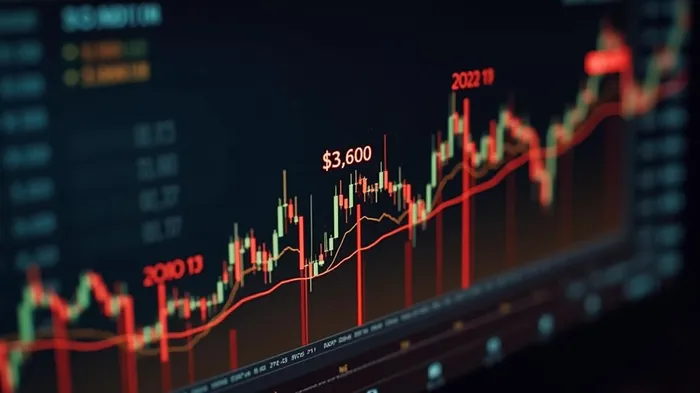
The technical backdrop is further strengthened by inflows into gold ETFs, which have surged as investors rotate out of rate-sensitive assets. Western institutional buyers, once sidelined by high rates, are returning in force. Meanwhile, central banks—despite China's brief pause—are net purchasers, adding over 1,000 tons annually to global reserves. This demand acts as a “floor” for prices, ensuring any dips are shallow and short-lived.
Macroeconomic Drivers: The Fed's Pivot and Inflation Risks
The Federal Reserve's pivot toward rate cuts is the linchpin of gold's rally. Markets now price in a 100-basis-point cut by year-end, with the terminal rate projected to fall to 3.5-4%. Historical precedent suggests gold gains ~6% in the first six months of a rate-cut cycle—a trend already reflected in the metal's 26-28% year-to-date surge in late 2024.
However, inflation remains a wildcard. The Fed's goal of a “soft landing”—cooling prices without stifling growth—faces risks. If inflation dips below 2%, the Fed may cut rates aggressively, supercharging gold's appeal. Conversely, a rebound in price pressures could force the Fed to pause or even hike rates, creating headwinds. For now, the Fed's dovish bias leans firmly in gold's favor.
Geopolitical Tailwinds and Safe-Haven Demand
Global instability—from U.S.-China trade disputes to Middle East conflicts—has elevated gold's role as a geopolitical hedge. In May 2025, tensions in Syria and South Korea's diplomatic shifts have amplified market uncertainty, driving investors toward safe havens.
This dynamic is compounded by currency debasement. A weakening U.S. dollar—expected as global central banks normalize policies—reduces gold's cost for non-U.S. buyers, amplifying demand. Meanwhile, Asian markets, particularly China and India, remain critical. Indian policymakers' reduction in gold import duties has boosted local consumption, while Chinese demand hinges on Beijing's economic stimulus measures.
Key Risks and the Bear Case
Bulls must not ignore the risks. A Fed policy misstep—such as delaying rate cuts due to resilient inflation—could trigger a sharp correction. Similarly, a sudden resolution of geopolitical tensions might reduce safe-haven demand. A slowdown in Asian economies or central bank gold purchases could also weaken support.
Yet these risks are offset by structural tailwinds. The Fed's dovish trajectory, central bank diversification away from U.S. debt, and the dollar's long-term decline create a multi-year backdrop for gold's ascendancy.
Investment Implications: Time to Act
The evidence is clear: gold's rally is not sizzle but sustained momentum. With technicals aligned, macro tailwinds intact, and geopolitical risks elevated, the case for a $2,700+ price by early 2025—and $3,000 within five years—is compelling.
Investors should consider:
1. Allocating to physical gold or ETFs (e.g., GLD) to capture the bull market.
2. Diversifying into gold miners (e.g., GDX) for leveraged upside.
3. Monitoring Fed policy and inflation data to time entries and exits.
The yellow metal's next move could define portfolios for years. Now is the time to position boldly.







Comentarios
Aún no hay comentarios