
Gold Price Surge Fuels Rise in Unregulated Mining, Spurring Environmental and Market Risks
The Environmental and Social Costs of Informal Mining
Artisanal and small-scale gold mining operations are frequently associated with environmental degradation. Mercury, a toxic substance used to extract gold, is commonly released into ecosystems, contaminating water sources and harming wildlife. Heymann emphasized that these practices are not only ecologically destructive but also provide a financial foothold for organized crime groups seeking new revenue streams.
Communities in gold-producing regions are increasingly reliant on informal mining as a source of livelihood. The shift from agriculture to mining is reshaping rural economies, with many families abandoning traditional farming in pursuit of higher returns from gold. However, this transition is not without risks. The lack of oversight in informal mining creates dangerous working conditions and leaves workers vulnerable to exploitation.
A Call for Sustainable Solutions
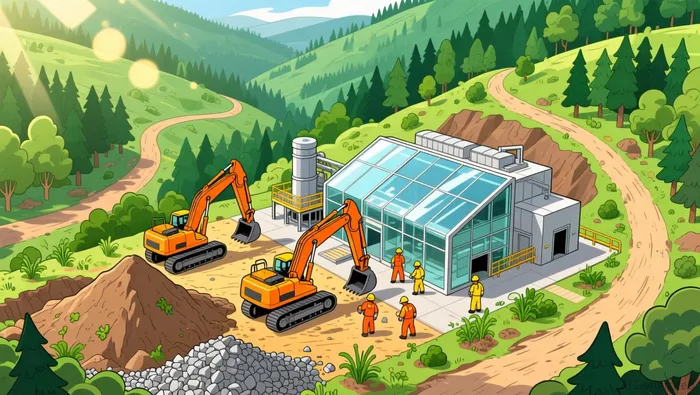
The World Gold Council is urging the adoption of formalized mining initiatives to curb the negative impacts of informal operations. One example is the Veta Dorada processing plant in Peru, where artisanal miners can process their ore without polluting the environment. This model not only reduces ecological harm but also integrates small-scale miners into the formal market, offering a more sustainable path forward according to the council.
Heymann highlighted the importance of such facilities in reducing mercury use and improving safety standards. By providing legal and environmentally responsible alternatives, formalized mining can help mitigate the risks associated with informal extraction. This approach also aligns with global efforts to promote responsible mining practices and reduce the environmental footprint of the gold industry according to the council.
The Role of Gold Prices in Shaping Mining Trends
The rapid increase in gold prices has played a significant role in the expansion of informal mining. As gold becomes more valuable, more individuals are drawn to the industry, even in the absence of formal infrastructure. This dynamic has led to a proliferation of small-scale operations, many of which lack the regulatory oversight necessary to ensure environmental and labor protections according to Heymann.
Heymann noted that the price of gold is a key driver of livelihood changes in many regions. The economic incentives associated with gold mining have led to a significant shift in employment patterns, with rural populations abandoning traditional livelihoods in favor of mining. While this trend has increased local gold production, it has also raised concerns about long-term sustainability and environmental impact according to the council.
Risks and Opportunities in the Gold Market
The surge in informal mining poses several risks to both the environment and the global gold market. Unregulated operations often result in illegal gold entering the supply chain, complicating efforts to track and verify the origin of the metal. This lack of transparency can undermine consumer confidence and hinder responsible sourcing initiatives according to the council.
At the same time, the increased supply of gold from informal sources has the potential to influence global gold prices. If the volume of unregulated gold continues to rise, it could affect the price dynamics of the formal market. This scenario underscores the need for coordinated efforts to formalize and regulate mining activities, ensuring that the industry operates in a transparent and sustainable manner according to the council.
What This Means for Investors and Policymakers
Investors and policymakers must closely monitor the implications of the gold price surge and its impact on informal mining. The growth of unregulated operations highlights the need for stronger regulatory frameworks and support for formalized mining initiatives. Heymann's call for the expansion of facilities like Veta Dorada reflects a broader strategy to address the challenges posed by informal mining according to the council.
Policymakers also face the challenge of balancing economic incentives with environmental and social responsibilities. Encouraging the formalization of small-scale mining operations can help reduce the negative impacts of unregulated activities while supporting local economies. This approach requires investment in infrastructure and regulatory oversight to ensure that mining remains a viable and sustainable source of income for communities according to the council.







Comentarios
Aún no hay comentarios