
Gold Demand in Iran: A Barometer of Geopolitical and Economic Turmoil
The surge in gold demand in Iran in 2025 reflects a confluence of economic fragility and geopolitical volatility, positioning the country as a microcosm of broader global trends. As international sanctions tighten and inflation erodes purchasing power, Iranians are increasingly turning to gold as a hedge against currency devaluation and a store of value. This shift is not merely a local phenomenon but a signal of how geopolitical risks and macroeconomic instability are reshaping asset allocation strategies worldwide.
Economic Drivers: Inflation, Sanctions, and Currency Devaluation
Iran's rial has long been a casualty of economic mismanagement and U.S. sanctions, which have crippled oil exports-the country's primary revenue source-and restricted access to global financial systems. According to a Jerusalem Post report, Iran's gold demand in 2025 surged as citizens sought to preserve wealth amid inflation rates exceeding 40% annually. The rial's depreciation, which saw its value drop by over 90% against the U.S. dollar since 2018, has rendered traditional savings mechanisms unreliable. Gold, by contrast, offers a tangible and liquid alternative, particularly in a market where trust in institutions is eroding.
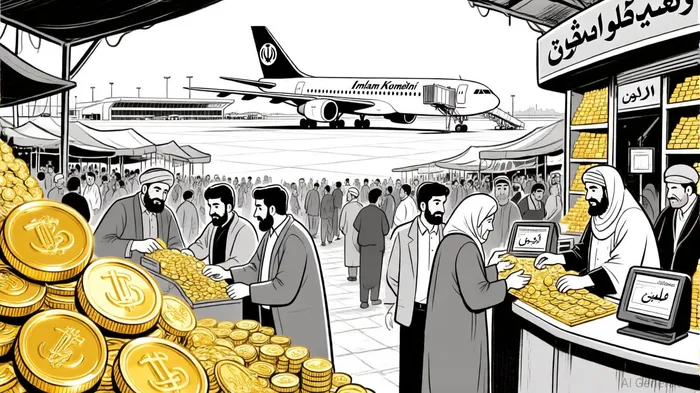
This trend is amplified by the Iranian government's own reliance on gold as a strategic asset. Record imports of 96 tons through Imam Khomeini International Airport in 2025 underscore a deliberate effort to diversify reserves and circumvent sanctions, as reported by Discovery Alert. Such moves highlight gold's dual role as both a consumer asset and a tool for national financial resilience.
Geopolitical Catalysts: Conflict and Safe-Haven Demand
A World Bank blog notes that global gold prices hit record highs in early 2025, driven by fears of military escalation and energy market disruptions. For Iran, the risk of conflict with regional adversaries and the potential for renewed U.S. engagement in the region have intensified the search for safe-haven assets. Gold's historical role as a crisis hedge-evidenced by its performance during the 2008 financial crisis and the 2022 Ukraine war-resonates strongly in this context.
The geopolitical calculus extends beyond Iran. Central banks in China and other emerging markets have also ramped up gold purchases in 2025, seeking to diversify away from dollar-dominated reserves amid U.S.-China tensions, according to an Allegiance Gold analysis. This global shift underscores gold's growing importance in portfolios designed to withstand geopolitical shocks.
Implications for Global Markets and Investors
The Iranian case illustrates a broader pattern: gold is no longer a niche investment but a cornerstone of risk management in an era of systemic uncertainty. For investors, the surge in demand from both individual buyers and central banks signals a structural shift in gold's role. The World Bank's analysis suggests that geopolitical instability could sustain elevated gold prices for years, particularly if conflicts in the Middle East or other regions escalate.
However, the risks of speculative buying in gold-especially in markets like Iran, where regulatory oversight is limited-cannot be ignored. Sudden policy changes, sanctions enforcement, or shifts in geopolitical dynamics could disrupt flows and trigger volatility. Investors must balance gold's safe-haven appeal with a nuanced understanding of its exposure to localized risks.
Conclusion
Iran's gold demand surge is a testament to the enduring appeal of tangible assets in times of crisis. While economic and geopolitical factors are the immediate drivers, the broader lesson lies in gold's evolving role as a global hedge against uncertainty. For investors, the challenge is to integrate gold into diversified portfolios without overexposing to the idiosyncratic risks of volatile markets. As the world grapples with a new era of fragmentation, the lessons from Iran's experience will remain relevant for years to come.







Comentarios
Aún no hay comentarios