
GM's Cruise Robotaxi Exit: A Result of 'Serious Problems' from Scaling Too Fast and Continued High Costs
Generado por agente de IAWesley Park
miércoles, 11 de diciembre de 2024, 10:22 am ET2 min de lectura
GM--
The recent announcement by General Motors (GM) to halt funding for its Cruise robotaxi development has raised eyebrows in the tech and automotive industries. The decision, which comes after years of significant investment, highlights the challenges faced by companies attempting to scale too quickly and the financial burden of high operational costs. This article delves into the factors that led to GM's decision and the implications for the autonomous vehicle (AV) industry.
GM's Cruise robotaxi project, launched in 2016, was initially hailed as a promising venture in the burgeoning AV market. The company invested approximately $10 billion in Cruise, aiming to commercialize autonomous vehicle technology via a robotaxi business. However, the project faced several setbacks, including safety incidents, regulatory issues, and intense competition in the market.
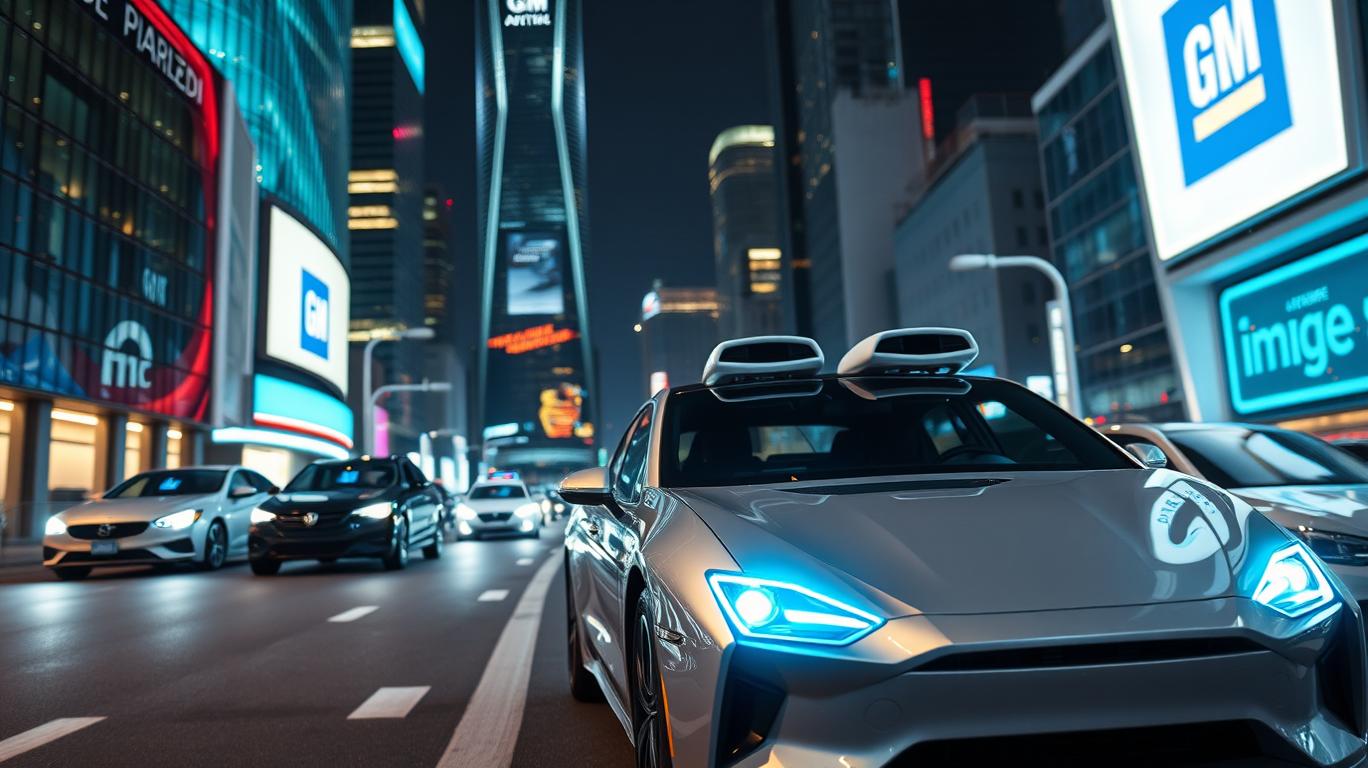
Safety incidents and regulatory issues plagued Cruise's robotaxi operations. In October 2023, a Cruise robotaxi struck and injured a pedestrian, leading to the California DMV suspending Cruise's permit. This incident, along with others, prompted investigations by the National Highway Traffic Safety Administration and the Department of Justice, resulting in fines and a deferred prosecution agreement. These safety and regulatory issues, coupled with the high costs of scaling the business and increased competition, led GM to refocus its autonomous driving strategy on advanced driver assistance systems and personal autonomous vehicles.
The competitive robotaxi market and high operational costs played a significant role in GM's decision to refocus its autonomous driving strategy. The company cited "considerable time and resources" required to scale the business, along with an "increasingly competitive robotaxi market" as key factors in its decision. This indicates that GM faced serious challenges in maintaining a competitive edge in the robotaxi market, which was becoming increasingly crowded with rivals like Waymo, Baidu, and Tesla. Additionally, the high cost of running a robotaxi fleet, which GM CEO Mary Barra described as "fairly significant," further exacerbated the situation, making it difficult for GM to justify continued investment in the project.
GM's decision to end funding for Cruise's robotaxi service highlights the significant financial burden of scaling such operations. In 2023, Cruise lost a staggering $3.48 billion, contributing to GM's overall capital expenditure of $8.5 billion. Despite this, GM's cash flow from operations remained robust at $12.94 billion, indicating that the company could afford to absorb these losses. However, the continued high costs of Cruise's robotaxi operations may have led GM to reassess its capital allocation priorities, ultimately resulting in the decision to refocus on advanced driver-assistance systems and autonomous personal vehicles.
In conclusion, GM's decision to scrap its Cruise robotaxi service, after investing approximately $10 billion since 2016, highlights the financial burden of scaling too fast and continued high costs. This move allows GM to redirect resources towards its core business and other strategic areas, such as electric vehicles and advanced driver-assistance systems. By realigning its autonomous driving strategy, GM expects to cut spending from about $2 billion to $1 billion annually, enabling it to focus on more profitable ventures. The AV industry will continue to evolve, with companies like Waymo, Baidu, and Tesla vying for market dominance. However, the lessons learned from GM's Cruise robotaxi exit serve as a reminder of the challenges and risks associated with scaling too quickly and the importance of managing operational costs effectively.
The recent announcement by General Motors (GM) to halt funding for its Cruise robotaxi development has raised eyebrows in the tech and automotive industries. The decision, which comes after years of significant investment, highlights the challenges faced by companies attempting to scale too quickly and the financial burden of high operational costs. This article delves into the factors that led to GM's decision and the implications for the autonomous vehicle (AV) industry.
GM's Cruise robotaxi project, launched in 2016, was initially hailed as a promising venture in the burgeoning AV market. The company invested approximately $10 billion in Cruise, aiming to commercialize autonomous vehicle technology via a robotaxi business. However, the project faced several setbacks, including safety incidents, regulatory issues, and intense competition in the market.
Safety incidents and regulatory issues plagued Cruise's robotaxi operations. In October 2023, a Cruise robotaxi struck and injured a pedestrian, leading to the California DMV suspending Cruise's permit. This incident, along with others, prompted investigations by the National Highway Traffic Safety Administration and the Department of Justice, resulting in fines and a deferred prosecution agreement. These safety and regulatory issues, coupled with the high costs of scaling the business and increased competition, led GM to refocus its autonomous driving strategy on advanced driver assistance systems and personal autonomous vehicles.
The competitive robotaxi market and high operational costs played a significant role in GM's decision to refocus its autonomous driving strategy. The company cited "considerable time and resources" required to scale the business, along with an "increasingly competitive robotaxi market" as key factors in its decision. This indicates that GM faced serious challenges in maintaining a competitive edge in the robotaxi market, which was becoming increasingly crowded with rivals like Waymo, Baidu, and Tesla. Additionally, the high cost of running a robotaxi fleet, which GM CEO Mary Barra described as "fairly significant," further exacerbated the situation, making it difficult for GM to justify continued investment in the project.
GM's decision to end funding for Cruise's robotaxi service highlights the significant financial burden of scaling such operations. In 2023, Cruise lost a staggering $3.48 billion, contributing to GM's overall capital expenditure of $8.5 billion. Despite this, GM's cash flow from operations remained robust at $12.94 billion, indicating that the company could afford to absorb these losses. However, the continued high costs of Cruise's robotaxi operations may have led GM to reassess its capital allocation priorities, ultimately resulting in the decision to refocus on advanced driver-assistance systems and autonomous personal vehicles.
In conclusion, GM's decision to scrap its Cruise robotaxi service, after investing approximately $10 billion since 2016, highlights the financial burden of scaling too fast and continued high costs. This move allows GM to redirect resources towards its core business and other strategic areas, such as electric vehicles and advanced driver-assistance systems. By realigning its autonomous driving strategy, GM expects to cut spending from about $2 billion to $1 billion annually, enabling it to focus on more profitable ventures. The AV industry will continue to evolve, with companies like Waymo, Baidu, and Tesla vying for market dominance. However, the lessons learned from GM's Cruise robotaxi exit serve as a reminder of the challenges and risks associated with scaling too quickly and the importance of managing operational costs effectively.

Divulgación editorial y transparencia de la IA: Ainvest News utiliza tecnología avanzada de Modelos de Lenguaje Largo (LLM) para sintetizar y analizar datos de mercado en tiempo real. Para garantizar los más altos estándares de integridad, cada artículo se somete a un riguroso proceso de verificación con participación humana.
Mientras la IA asiste en el procesamiento de datos y la redacción inicial, un miembro editorial profesional de Ainvest revisa, verifica y aprueba de forma independiente todo el contenido para garantizar su precisión y cumplimiento con los estándares editoriales de Ainvest Fintech Inc. Esta supervisión humana está diseñada para mitigar las alucinaciones de la IA y garantizar el contexto financiero.
Advertencia sobre inversiones: Este contenido se proporciona únicamente con fines informativos y no constituye asesoramiento profesional de inversión, legal o financiero. Los mercados conllevan riesgos inherentes. Se recomienda a los usuarios que realicen una investigación independiente o consulten a un asesor financiero certificado antes de tomar cualquier decisión. Ainvest Fintech Inc. se exime de toda responsabilidad por las acciones tomadas con base en esta información. ¿Encontró un error? Reportar un problema


SOBRE NOSOTROS
Nuestra historiaAutores de noticiasBase de conocimientosPolítica de privacidadTérmino de usoDescargo de responsabilidad de corretaje de tercerosTérminos de uso de AIMEDivulgaciones de riesgos de AInvest AICarrerasCONTÁCTENOS
Email: support@ainvest.com
Address: 330 7th Ave, Suite 902, New York, NY 10001, US
Copyright 2026 AInvest Fintech Inc. All rights reserved.


Comentarios
Aún no hay comentarios