
GM's China Challenge: The Golden Goose Flies Away
Generado por agente de IAWesley Park
jueves, 5 de diciembre de 2024, 11:43 am ET2 min de lectura
GM--
General Motors (GM) has long considered China its golden goose, a market that once fueled its global success. However, the automaker's recent struggles in the world's largest auto market have brought this golden goose to the brink of flight. In a regulatory filing, GM announced it would record non-cash charges totaling more than $5 billion on its joint venture in China, reflecting the reduced value of its equity stakes and restructuring costs. The charges, including a $2.6 to $2.9 billion impairment cost and a $2.7 billion equity loss, come as GM's China business has been hemorrhaging money for years.
GM's China market has been a critical driver of its global sales and profits. However, the company has grappled with mounting losses in the region, with its joint ventures (JVs) recording equity losses for three consecutive quarters, including a $137 million drop in Q3 2024. The company's board of directors determined that the non-cash charges were necessary due to certain restructuring actions with the joint venture, which have yet to be detailed publicly. GM has not disclosed the specifics of the restructuring but mentioned it involves plant closures and portfolio optimization.
GM's struggles in China highlight the challenges faced by foreign automakers in the country, as well as the broader trend of domestic manufacturers gaining market share and increasing competition. The shift towards electric vehicles (EVs) in China, coupled with the Chinese government's generous subsidies for domestic EV producers, has posed significant challenges to GM's competitive position. The company's market share in China has plummeted from nearly 15% a decade ago to around 6.8% in 2024.
GM's joint venture with SAIC Motors, SAIC-GM, has seen its sales slump by 59% in the first 11 months of 2024, highlighting the severe impact of competition on the company's profitability. The price war and increased competition in the Chinese auto market have forced GM to take significant charges and rethink its business strategy in the region. The company's once-thriving China market has become a significant liability, with a $5 billion write-down and restructuring charges attributed to its joint venture with SAIC Motors.
GM's China woes come amid a broader trend of foreign automakers facing challenges in the country. Volkswagen, which lost its best-selling brand title in China to BYD in 2022, is doubling down on efforts to deepen ties with Chinese partners to counter its flagging sales in its biggest market. Japanese carmaker Nissan Motor is slashing jobs and reducing manufacturing capacity due to its slipping sales in China and the U.S. In Detroit, GM's cross-town rival Ford Motor is transforming its presence in China to become a vehicle export hub, though some analysts are urging Detroit's automakers to cut their losses and exit the world's largest auto market altogether.
As GM and other foreign automakers grapple with the challenges of the Chinese market, investors should closely monitor their efforts to turn around their China businesses and assess the potential impact on their financial performance. GM's struggles in China underscore the importance of strategic decision-making, cost optimization, and product portfolio management in the face of intense competition and shifting consumer preferences. By adapting to the changing landscape and prioritizing long-term profitability, GM can work towards maintaining its presence in the Chinese market and restoring its golden goose to its former glory.
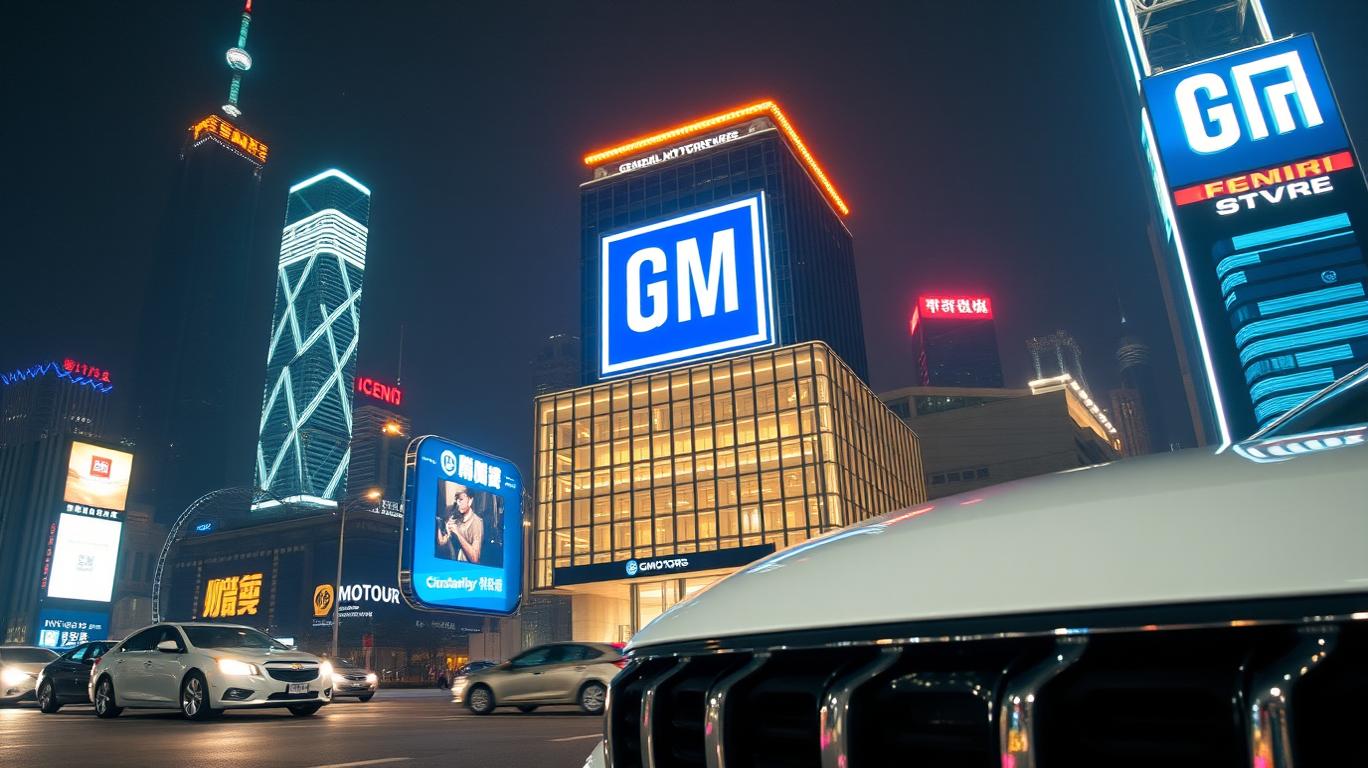
General Motors (GM) has long considered China its golden goose, a market that once fueled its global success. However, the automaker's recent struggles in the world's largest auto market have brought this golden goose to the brink of flight. In a regulatory filing, GM announced it would record non-cash charges totaling more than $5 billion on its joint venture in China, reflecting the reduced value of its equity stakes and restructuring costs. The charges, including a $2.6 to $2.9 billion impairment cost and a $2.7 billion equity loss, come as GM's China business has been hemorrhaging money for years.
GM's China market has been a critical driver of its global sales and profits. However, the company has grappled with mounting losses in the region, with its joint ventures (JVs) recording equity losses for three consecutive quarters, including a $137 million drop in Q3 2024. The company's board of directors determined that the non-cash charges were necessary due to certain restructuring actions with the joint venture, which have yet to be detailed publicly. GM has not disclosed the specifics of the restructuring but mentioned it involves plant closures and portfolio optimization.
GM's struggles in China highlight the challenges faced by foreign automakers in the country, as well as the broader trend of domestic manufacturers gaining market share and increasing competition. The shift towards electric vehicles (EVs) in China, coupled with the Chinese government's generous subsidies for domestic EV producers, has posed significant challenges to GM's competitive position. The company's market share in China has plummeted from nearly 15% a decade ago to around 6.8% in 2024.
GM's joint venture with SAIC Motors, SAIC-GM, has seen its sales slump by 59% in the first 11 months of 2024, highlighting the severe impact of competition on the company's profitability. The price war and increased competition in the Chinese auto market have forced GM to take significant charges and rethink its business strategy in the region. The company's once-thriving China market has become a significant liability, with a $5 billion write-down and restructuring charges attributed to its joint venture with SAIC Motors.
GM's China woes come amid a broader trend of foreign automakers facing challenges in the country. Volkswagen, which lost its best-selling brand title in China to BYD in 2022, is doubling down on efforts to deepen ties with Chinese partners to counter its flagging sales in its biggest market. Japanese carmaker Nissan Motor is slashing jobs and reducing manufacturing capacity due to its slipping sales in China and the U.S. In Detroit, GM's cross-town rival Ford Motor is transforming its presence in China to become a vehicle export hub, though some analysts are urging Detroit's automakers to cut their losses and exit the world's largest auto market altogether.
As GM and other foreign automakers grapple with the challenges of the Chinese market, investors should closely monitor their efforts to turn around their China businesses and assess the potential impact on their financial performance. GM's struggles in China underscore the importance of strategic decision-making, cost optimization, and product portfolio management in the face of intense competition and shifting consumer preferences. By adapting to the changing landscape and prioritizing long-term profitability, GM can work towards maintaining its presence in the Chinese market and restoring its golden goose to its former glory.

Divulgación editorial y transparencia de la IA: Ainvest News utiliza tecnología avanzada de Modelos de Lenguaje Largo (LLM) para sintetizar y analizar datos de mercado en tiempo real. Para garantizar los más altos estándares de integridad, cada artículo se somete a un riguroso proceso de verificación con participación humana.
Mientras la IA asiste en el procesamiento de datos y la redacción inicial, un miembro editorial profesional de Ainvest revisa, verifica y aprueba de forma independiente todo el contenido para garantizar su precisión y cumplimiento con los estándares editoriales de Ainvest Fintech Inc. Esta supervisión humana está diseñada para mitigar las alucinaciones de la IA y garantizar el contexto financiero.
Advertencia sobre inversiones: Este contenido se proporciona únicamente con fines informativos y no constituye asesoramiento profesional de inversión, legal o financiero. Los mercados conllevan riesgos inherentes. Se recomienda a los usuarios que realicen una investigación independiente o consulten a un asesor financiero certificado antes de tomar cualquier decisión. Ainvest Fintech Inc. se exime de toda responsabilidad por las acciones tomadas con base en esta información. ¿Encontró un error? Reportar un problema


SOBRE NOSOTROS
Nuestra historiaAutores de noticiasBase de conocimientosPolítica de privacidadTérmino de usoDescargo de responsabilidad de corretaje de tercerosTérminos de uso de AIMEDivulgaciones de riesgos de AInvest AICarrerasCONTÁCTENOS
Email: support@ainvest.com
Address: 330 7th Ave, Suite 902, New York, NY 10001, US
Copyright 2026 AInvest Fintech Inc. All rights reserved.


Comentarios
Aún no hay comentarios