
"GM and NVIDIA: Pioneering AI in Automotive Manufacturing"
Generado por agente de IAHarrison Brooks
martes, 18 de marzo de 2025, 2:03 pm ET2 min de lectura
GM--
In the ever-evolving landscape of the automotive industry, the collaboration between General MotorsGM-- (GM) and NVIDIANVDA-- stands as a testament to the transformative power of artificial intelligence (AI). This partnership, announced in March 2025, is set to revolutionize both vehicle design and manufacturing processes, positioning GMGM-- at the forefront of innovation. But what does this mean for the competitive landscape, and what challenges lie ahead?
The AI Revolution in Automotive Manufacturing
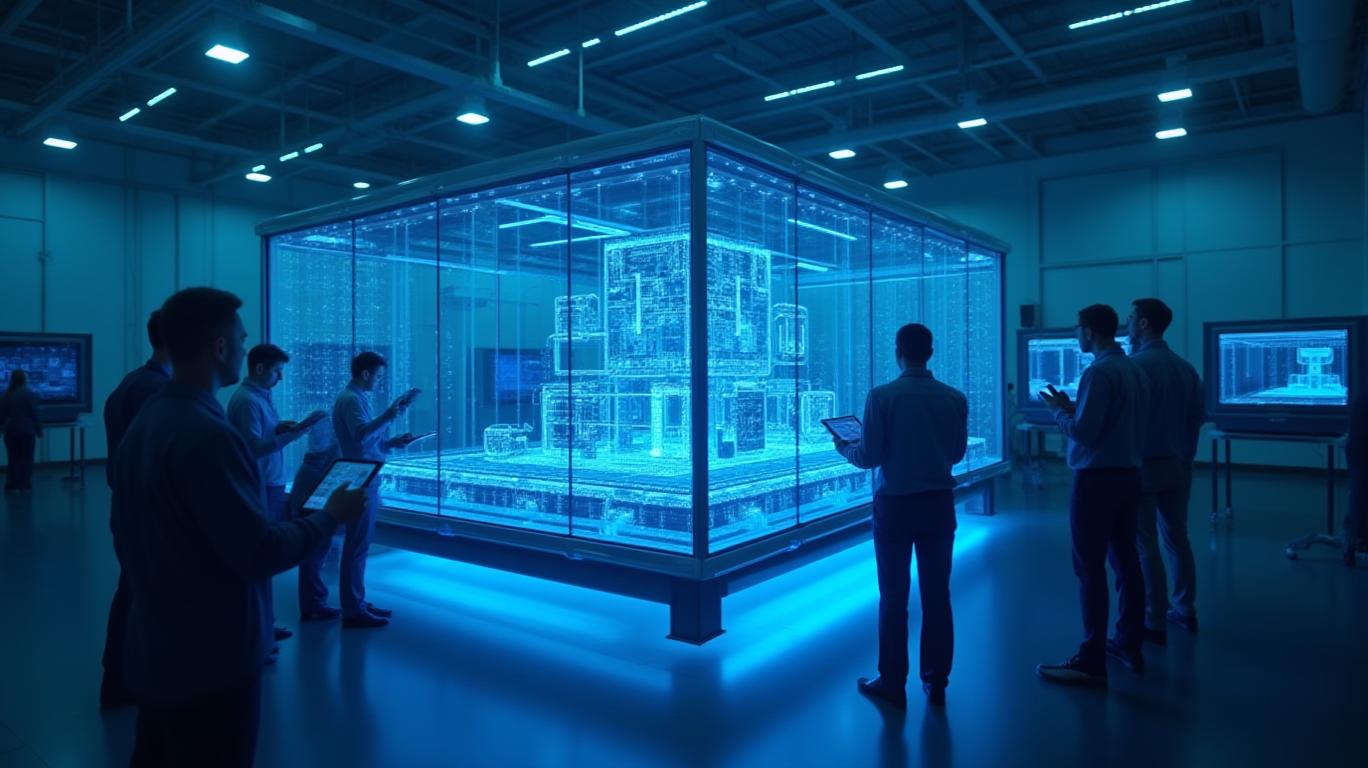
The integration of AI in automotive manufacturing is not just about efficiency; it's about redefining the entire production process. GM's collaboration with NVIDIA leverages advanced AI technologies to create digital twins of assembly lines, allowing for virtual testing and production simulations. This capability, powered by NVIDIA's Omniverse platform, enables GM to optimize factory planning and robotics, reducing downtime and increasing manufacturing safety and efficiency.
Strategic Advantages and Competitive Edge
The partnership between GM and NVIDIA provides several strategic advantages over other manufacturers. Firstly, the use of NVIDIA DRIVE AGX for in-vehicle hardware ensures that GM's vehicles are equipped with advanced driver-assistance systems (ADAS) and in-cabin enhanced safety features. This technology, based on the NVIDIA Blackwell architecture, delivers up to 1,000 trillion operations per second of high-performance compute, speeding up the development and deployment of safe autonomous vehicles (AVs) at scale.
Secondly, the collaboration involves building custom AI systems tailored to GM's vision and know-how. This includes training AI manufacturing models for optimizing factory planning and robotics. By leveraging NVIDIA's accelerated compute platforms, GM can create more efficient and effective manufacturing processes, which is a significant advantage over competitors who may not have access to such advanced technologies.
Addressing Industry Challenges
The integration of AI in automotive manufacturing addresses several current challenges in the industry, particularly in the areas of supply chain optimization and production efficiency. The use of digital twins and virtual testing allows GM to simulate various scenarios and make data-driven decisions to improve supply chain efficiency. Additionally, AI-powered robotics increase manufacturing safety and efficiency, enhancing the precision and speed of manufacturing processes.
Potential Risks and Limitations
However, the integration of AI in automotive manufacturing is not without its challenges. The reliance on third-party technology, such as NVIDIA's AI and simulation platforms, poses risks if there are disruptions in the supply of these products or if there are compatibility issues. Additionally, the complexity of integrating AI systems into existing manufacturing processes can be significant, requiring substantial investment in training and infrastructure.
Ethical and regulatory concerns also arise from the use of AI in manufacturing. The ethical implications of job displacement due to automation and the need to meet regulatory compliance and safety standards add to the complexity of implementation. Furthermore, the collection and processing of large amounts of data raise concerns about data privacy and security, which must be addressed to ensure the success of AI integration in manufacturing.
The Road Ahead
The collaboration between GM and NVIDIA is a significant step forward in the integration of AI in automotive manufacturing. By leveraging advanced AI technologies, GM can enhance vehicle design and manufacturing processes, positioning itself as a leader in the industry. However, the challenges and risks associated with this integration must be addressed to fully realize the benefits of AI in the automotive industry.
In conclusion, the partnership between GM and NVIDIA is a testament to the transformative power of AI in the automotive industry. By addressing current challenges and leveraging advanced technologies, GM can enhance vehicle design and manufacturing processes, positioning itself as a leader in the industry. However, the challenges and risks associated with this integration must be addressed to fully realize the benefits of AI in the automotive industry.
NVDA--
In the ever-evolving landscape of the automotive industry, the collaboration between General MotorsGM-- (GM) and NVIDIANVDA-- stands as a testament to the transformative power of artificial intelligence (AI). This partnership, announced in March 2025, is set to revolutionize both vehicle design and manufacturing processes, positioning GMGM-- at the forefront of innovation. But what does this mean for the competitive landscape, and what challenges lie ahead?
The AI Revolution in Automotive Manufacturing
The integration of AI in automotive manufacturing is not just about efficiency; it's about redefining the entire production process. GM's collaboration with NVIDIA leverages advanced AI technologies to create digital twins of assembly lines, allowing for virtual testing and production simulations. This capability, powered by NVIDIA's Omniverse platform, enables GM to optimize factory planning and robotics, reducing downtime and increasing manufacturing safety and efficiency.
Strategic Advantages and Competitive Edge
The partnership between GM and NVIDIA provides several strategic advantages over other manufacturers. Firstly, the use of NVIDIA DRIVE AGX for in-vehicle hardware ensures that GM's vehicles are equipped with advanced driver-assistance systems (ADAS) and in-cabin enhanced safety features. This technology, based on the NVIDIA Blackwell architecture, delivers up to 1,000 trillion operations per second of high-performance compute, speeding up the development and deployment of safe autonomous vehicles (AVs) at scale.
Secondly, the collaboration involves building custom AI systems tailored to GM's vision and know-how. This includes training AI manufacturing models for optimizing factory planning and robotics. By leveraging NVIDIA's accelerated compute platforms, GM can create more efficient and effective manufacturing processes, which is a significant advantage over competitors who may not have access to such advanced technologies.
Addressing Industry Challenges
The integration of AI in automotive manufacturing addresses several current challenges in the industry, particularly in the areas of supply chain optimization and production efficiency. The use of digital twins and virtual testing allows GM to simulate various scenarios and make data-driven decisions to improve supply chain efficiency. Additionally, AI-powered robotics increase manufacturing safety and efficiency, enhancing the precision and speed of manufacturing processes.
Potential Risks and Limitations
However, the integration of AI in automotive manufacturing is not without its challenges. The reliance on third-party technology, such as NVIDIA's AI and simulation platforms, poses risks if there are disruptions in the supply of these products or if there are compatibility issues. Additionally, the complexity of integrating AI systems into existing manufacturing processes can be significant, requiring substantial investment in training and infrastructure.
Ethical and regulatory concerns also arise from the use of AI in manufacturing. The ethical implications of job displacement due to automation and the need to meet regulatory compliance and safety standards add to the complexity of implementation. Furthermore, the collection and processing of large amounts of data raise concerns about data privacy and security, which must be addressed to ensure the success of AI integration in manufacturing.
The Road Ahead
The collaboration between GM and NVIDIA is a significant step forward in the integration of AI in automotive manufacturing. By leveraging advanced AI technologies, GM can enhance vehicle design and manufacturing processes, positioning itself as a leader in the industry. However, the challenges and risks associated with this integration must be addressed to fully realize the benefits of AI in the automotive industry.
In conclusion, the partnership between GM and NVIDIA is a testament to the transformative power of AI in the automotive industry. By addressing current challenges and leveraging advanced technologies, GM can enhance vehicle design and manufacturing processes, positioning itself as a leader in the industry. However, the challenges and risks associated with this integration must be addressed to fully realize the benefits of AI in the automotive industry.

Divulgación editorial y transparencia de la IA: Ainvest News utiliza tecnología avanzada de Modelos de Lenguaje Largo (LLM) para sintetizar y analizar datos de mercado en tiempo real. Para garantizar los más altos estándares de integridad, cada artículo se somete a un riguroso proceso de verificación con participación humana.
Mientras la IA asiste en el procesamiento de datos y la redacción inicial, un miembro editorial profesional de Ainvest revisa, verifica y aprueba de forma independiente todo el contenido para garantizar su precisión y cumplimiento con los estándares editoriales de Ainvest Fintech Inc. Esta supervisión humana está diseñada para mitigar las alucinaciones de la IA y garantizar el contexto financiero.
Advertencia sobre inversiones: Este contenido se proporciona únicamente con fines informativos y no constituye asesoramiento profesional de inversión, legal o financiero. Los mercados conllevan riesgos inherentes. Se recomienda a los usuarios que realicen una investigación independiente o consulten a un asesor financiero certificado antes de tomar cualquier decisión. Ainvest Fintech Inc. se exime de toda responsabilidad por las acciones tomadas con base en esta información. ¿Encontró un error? Reportar un problema


SOBRE NOSOTROS
Nuestra historiaAutores de noticiasBase de conocimientosPolítica de privacidadTérmino de usoDescargo de responsabilidad de corretaje de tercerosTérminos de uso de AIMEDivulgaciones de riesgos de AInvest AICarrerasCONTÁCTENOS
Email: support@ainvest.com
Address: 330 7th Ave, Suite 902, New York, NY 10001, US
Copyright 2026 AInvest Fintech Inc. All rights reserved.


Comentarios
Aún no hay comentarios