
The Global Semiconductor Chessboard: Tokyo Electron Is Playing It Smart
The semiconductor industry is a high-stakes game of technological innovation and geopolitical strategy. Amidst this complexity, Tokyo Electron (TEL) has positioned itself as a master strategist, leveraging cutting-edge R&D, disciplined financial management, and adaptive partnerships to secure its place in the $600 billion market. Let’s dissect how TEL is outmaneuvering rivals and capitalizing on the AI-driven semiconductor boom.
R&D as the Chessboard’s Queen: Dominating High-Value Markets
TEL’s FY2025 R&D budget of 250 billion yen—representing 11.3% of sales—is a bold bet on future dominance. This investment is laser-focused on technologies that will define the next era of semiconductors:
- Cryogenic Etching: TEL’s crownCCK-- jewel for 400-layer+ NAND flash (set for mass production in 2026) offers superior performance and environmental efficiency compared to competitors like Lam Research.
- Advanced Packaging: Investments in wafer-to-wafer bonding and die-to-wafer bonding align with the industry’s shift toward 3D integration and chiplets, a market expected to grow at 18% CAGR through 2030.
- EUV Lithography Surface Treatment: TEL’s proprietary wet method counters rivals’ dry resist approaches, preserving its ~50% share of the coater/developer market.
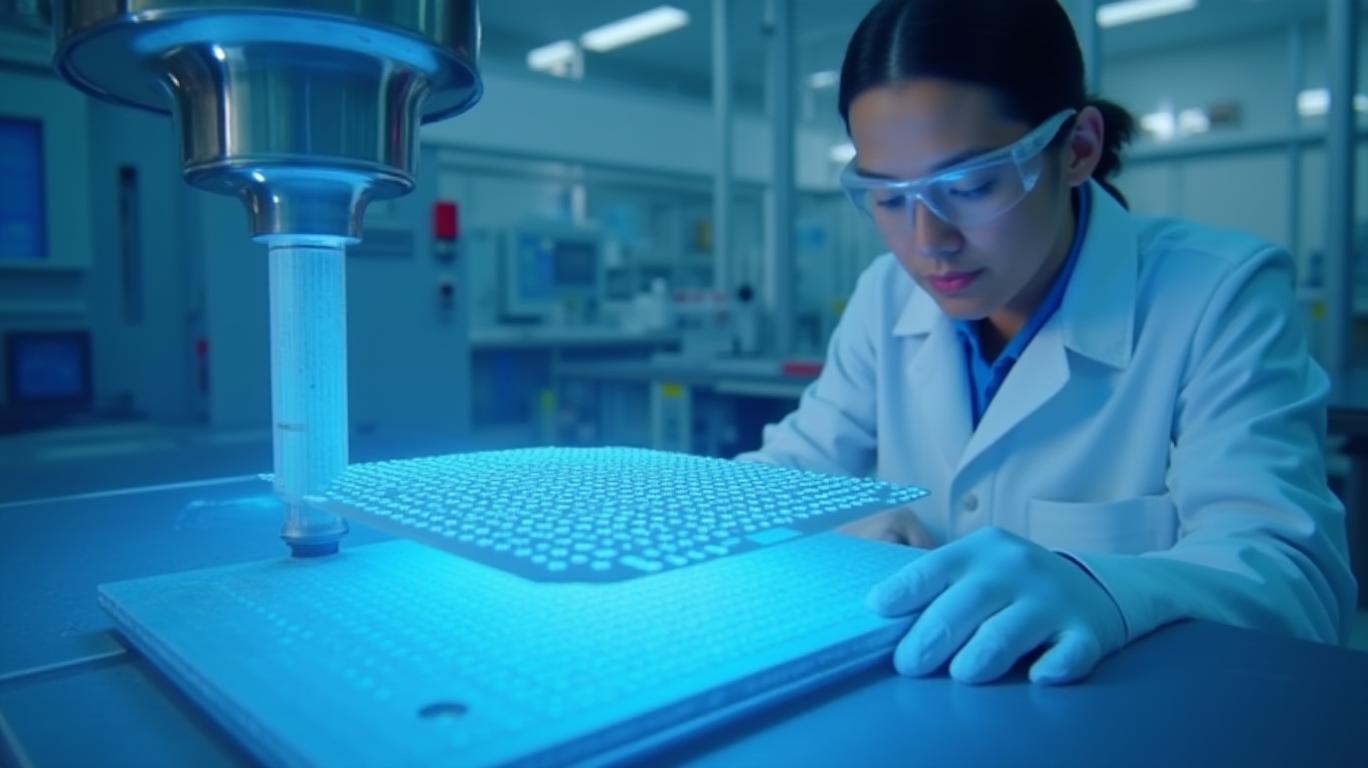
The payoff? High-margin products like cryogenic etching will drive TEL’s ~47% gross profit margin rebound in H2 2025, offsetting near-term cost pressures.
Navigating Geopolitical Storms with Steady Hands
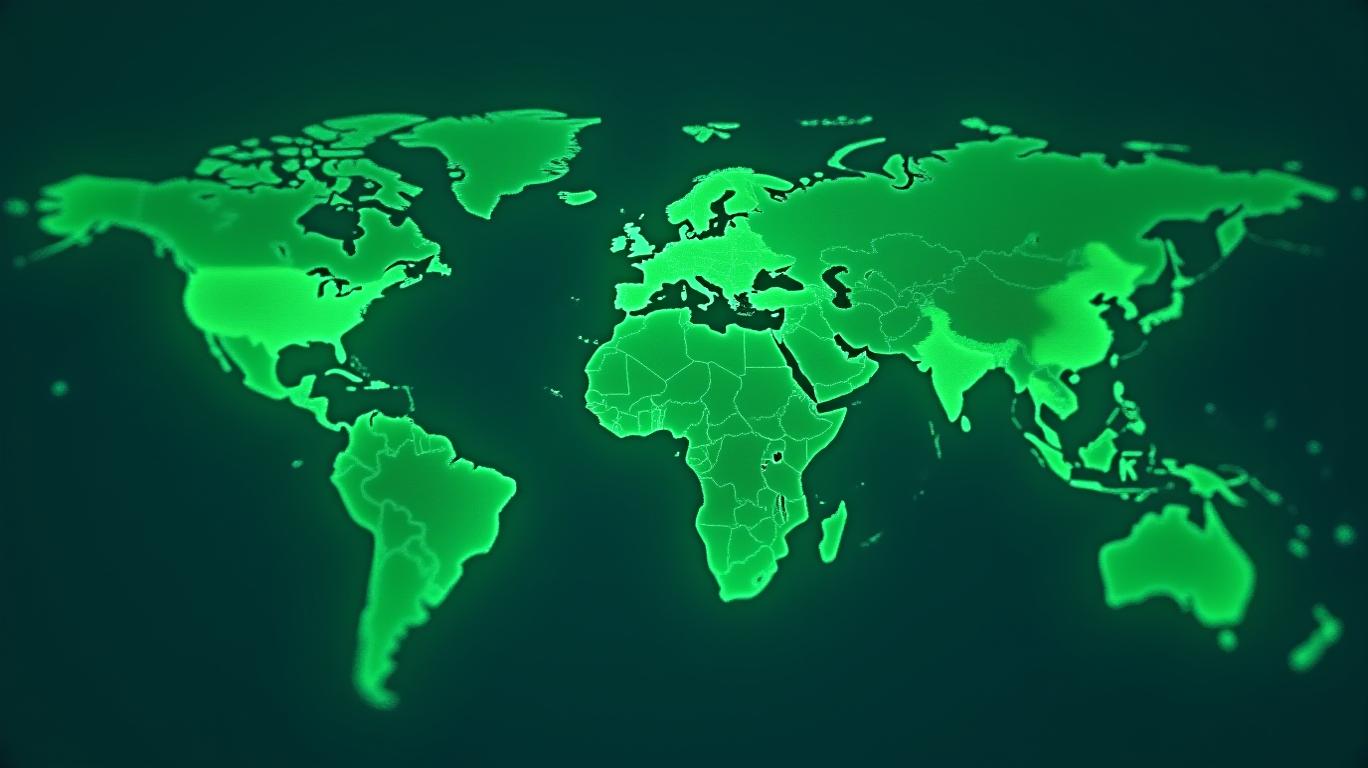
While peers grapple with China’s regulatory uncertainties, TEL maintains a nuanced balance. It expects China’s sales ratio to drop below 40% in FY2025 as leading-edge investments shift to the U.S. and Taiwan. However, mature-node demand in China remains stable, ensuring a steady revenue stream. TEL’s global footprint—26 subsidiaries across 19 countries—buffers it against regional risks, a strategy that paid off during the 2022 semiconductor shortage.
Partnerships: Strategic Alliances, Not Reliance
TEL’s “internal R&D first” philosophy keeps its technological edge intact, but it isn’t a lone wolf. Collaborations for niche areas like die-to-wafer bonding (still 3–5 years from commercialization) are under exploration, ensuring it doesn’t miss emerging opportunities. This pragmatic approach contrasts with competitors like Lam Research, which have faced criticism for overreliance on partnerships.
Financial Fortitude: Growth and Returns
TEL’s FY2024 results—1.83 trillion yen in sales and a 24.9% operating margin—are the foundation of its aggressive growth plans. The 80 billion yen share buyback signals confidence in its ability to deliver returns even as the sector faces cyclical headwinds.
Conclusion: A Smart Move for Investors
Tokyo Electron’s strategy is a masterclass in balancing innovation, risk management, and shareholder value. With two-digit revenue growth forecasted for CY2025, driven by AI and advanced memory demand, and a ~47% gross margin target by year-end, the company is well-positioned to capitalize on the next wave of semiconductor spending.
Crunching the numbers:
- R&D-to-sales ratio (11.3%) vs. peers (AMAT: ~10%, Lam: ~9%)
- 400-layer NAND adoption expected to add $2.5 billion in annual revenue by 2027
- Advanced packaging market poised to reach $60 billion by 2030
TEL isn’t just playing the semiconductor game—it’s rewriting the rules. For investors seeking exposure to a leader with both technical prowess and financial discipline, TEL remains a standout play in a sector where smart moves matter most.
This analysis underscores TEL’s ability to turn strategic bets into sustainable growth. In the chess game of semiconductors, Tokyo Electron isn’t just moving pieces—it’s setting the board.







Comentarios
Aún no hay comentarios