
Global Equity Market Volatility and Sectoral Resilience Amid Trump's Tariff Policies: A 2025 Analysis
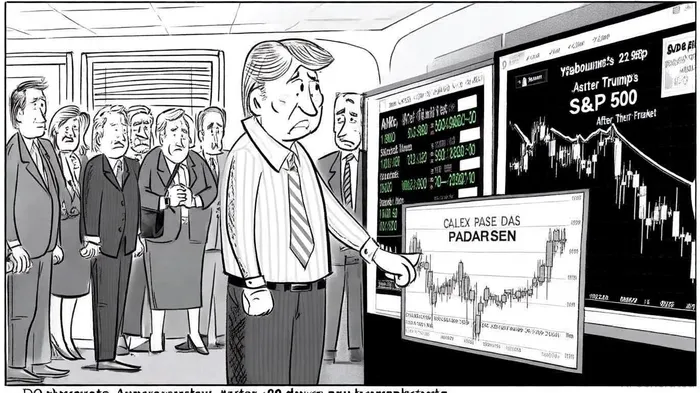
The global equity markets of 2025 have been a theater of extremes, oscillating between panic and euphoria as Donald Trump's tariff policies reshaped trade dynamics. By April, the so-called "Liberation Day" tariff announcement triggered a 17% collapse in energy stocks and a 11% freefall in the S&P 500 over two days, with energy, technology, and basic materials sectors bearing the brunt of the sell-off, according to an AIER analysis. Yet, the market's resilience emerged in the wake of a 90-day tariff pause, propelling the S&P 500 to a 9.5% single-session rebound, as UBS reported. This volatility underscores a critical question: which sectors can thrive-or at least survive-in an era of trade uncertainty?
Vulnerable Sectors: The Winners and Losers of Tariff Shockwaves
Trump's 2023 tariff agenda, which targeted $550 billion in non-dutiable goods, was laid out in a PwC analysis and exposed stark sectoral vulnerabilities. The Magnificent Seven-Alphabet, AmazonAMZN--, AppleAAPL--, MetaMETA--, MicrosoftMSFT--, Nvidia, and Tesla-saw their collective market value erode by $4.7 trillion, a direct consequence of their reliance on global supply chains, according to AIER. Bloomberg Intelligence noted a surge in short interest for sectors like Consumer Staples and Industrials, as investors anticipated margin compression from higher import costs, as reported by a S3 Partners report.
The automobile sector, for instance, faced a projected 37% revenue loss under tariff scenarios, exacerbated by its cyclical nature and exposure to international manufacturing hubs, per an MSCI analysis. Similarly, European pharmaceuticals and Japanese autos, which derive significant revenue from U.S. markets, were flagged by MSCI as highly susceptible to tariff shocks. These trends highlight the fragility of industries dependent on cross-border trade.
Resilient Sectors: Defensive Plays in a Turbulent Climate
Conversely, defensive sectors like utilities and REITs outperformed during the April 2025 turmoil. U.S. REITs, in particular, benefited from negative beta exposure, insulating them from broader market declines, per MSCI. This divergence reflects a shift in investor behavior toward risk-off strategies, where sectors with stable cash flows and low sensitivity to trade wars gained traction.
The resilience of these sectors was further amplified by monetary policy. The Federal Reserve's September 2025 rate cut, coupled with AI-driven optimism, fueled a 37% rebound in the S&P 500 since April, with technology and communication services leading the charge, according to AIER. This suggests that while tariffs create near-term pain, accommodative monetary conditions can offset some of the damage for sectors with strong growth narratives.
Emerging Markets: A Contrarian Opportunity
While U.S. markets dominated headlines, non-U.S. equities-particularly in emerging markets-posted robust gains in Q3 2025. China, Japan, and Mexico outperformed, driven by valuation discounts and AI adoption, as UBS noted. Investors seeking value increasingly turned to these markets, which traded at a significant discount to the overvalued U.S. market. This trend highlights the potential for diversification in a world where U.S.-centric trade policies create asymmetrical risks.
Strategic Implications for Investors
The 2025 market cycle offers a blueprint for navigating trade uncertainty:
1. Sector Rotation: Prioritize defensive sectors (utilities, REITs) during tariff escalations and pivot to cyclical sectors (technology, industrials) during pauses.
2. Geographic Diversification: Allocate to emerging markets to hedge against U.S.-centric trade shocks.
3. AI-Driven Sectors: Invest in technology and communication services, which have demonstrated resilience even amid macroeconomic headwinds.
Conclusion
Trump's tariff policies have proven to be a double-edged sword: they amplify short-term volatility but also reveal long-term structural opportunities. As global markets adapt to this new normal, investors must balance caution with conviction, leveraging sectoral and geographic diversification to navigate the turbulence. The lessons of 2025 are clear-resilience lies not in avoiding risk, but in managing it with precision.





Comentarios
Aún no hay comentarios