
Global E-Commerce Expansion in 2025: Strategic Advantages for Mid-to-Large Brands
Cost Efficiency: Operational Optimization as a Competitive Edge
Mid-to-large e-commerce brands are leveraging global marketplaces to achieve cost efficiency through streamlined operations and capital discipline. For instance, Expand Energy Corp (EXE) reduced well costs by 25% in its Haynesville operations by optimizing rig usage, , as described in Expand Energy's Q3 call. This approach mirrors strategies adopted by e-commerce players who consolidate logistics networks and automate inventory management to cut overhead. Similarly, , preserving margins amid inflationary pressures as noted in Saia's Q3 call. These examples underscore the importance of operational agility in maintaining profitability for brands scaling internationally.
Scalability and Market Access: Navigating Regulatory Complexities
While global marketplaces offer unparalleled scalability, in emerging markets like Kazakhstan highlight the need for compliance-driven strategies. By 2026, foreign platforms failing to register for conditional VAT in Kazakhstan will face service restrictions, , according to a Kazakhstan policy update. This policy shift mirrors broader trends where brands must adapt to localized tax frameworks to sustain growth. Vend Marketplaces, a Norway-based platform, exemplifies this adaptability: despite a 2% revenue dip in Q3 2025, , as detailed in Vend's Q3 results. Such strategies emphasize the importance of balancing market access with regulatory compliance.
Leveraging Global Platforms: Case Studies in Strategic Expansion
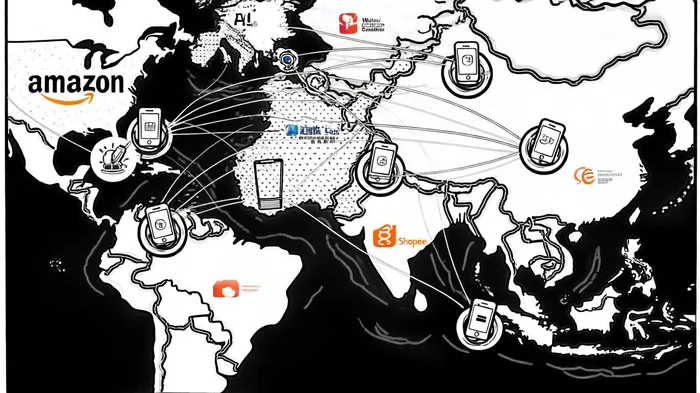
Leading e-commerce brands are capitalizing on global marketplaces to access new customer bases and diversify revenue streams. Amazon's dominance in over 20 countries, coupled with its AI-driven personalization and logistics infrastructure, remains a cornerstone for brands seeking scalability, as highlighted in FatBit's list. In China, Alibaba's Tmall and Taobao platforms facilitate B2B and B2C transactions, while JD.com's rapid fulfillment network ensures trust and efficiency for international sellers (the same FatBit list notes these market leaders). For brands targeting Latin America, Mercado Libre's integrated logistics and payment systems address regional pain points, such as fragmented supply chains and cash-on-delivery preferences, according to ChannelEngine's list.
Emerging markets like Southeast Asia present unique opportunities. Shopee's mobile-first approach, gamified shopping experiences, and localized marketing strategies have driven growth in Indonesia, Vietnam, and Thailand, as described in a ShipStation report. Similarly, the Middle East and North Africa (MENA) region's rising internet penetration and demand for luxury goods position platforms like Noon and Jumia as strategic gateways for global brands (the ShipStation report also highlights these regional trends).
Supply Chain and Logistics: The Infrastructure of Growth
Scalability in e-commerce hinges on robust supply chain solutions. SPS Commerce, a logistics software provider, , driven by its ability to enhance supply chain efficiency for clients like Petco, according to an . , illustrating how optimized inventory management and cross-selling strategies can bolster margins, as shown in Petco's Q2 2025 results. These examples highlight the critical role of third-party logistics providers in enabling brands to navigate last-mile delivery challenges and customs compliance.
Conclusion: Strategic Imperatives for Investors
The 2025 e-commerce landscape is defined by brands that combine cost efficiency, regulatory adaptability, and platform-driven scalability. As global marketplaces continue to evolve, investors should prioritize companies that demonstrate agility in addressing regional challenges while leveraging technological innovation. , according to the ShopifySHOP-- report, underscores the sector's long-term potential, but success will depend on a brand's ability to balance growth with operational discipline.





Comentarios
Aún no hay comentarios