
Global Beer Market Rises on Craft Innovation, Low-Alcohol Demand
The global beer market is on track for significant growth, with projections showing it will reach $999 billion by 2030, according to a new report. This growth is driven by rising disposable incomes, a shift toward premium and sustainable products, and increasing consumer interest in low-alcohol options. Despite moderation trends and regulatory pressures, the industry is adapting through innovation and product diversification.
Craft breweries are playing a pivotal role in this transformation, particularly in both mature and emerging markets. These smaller producers are gaining traction by offering hyper-localized flavors, seasonal brews, and unique experiences like taproom events. They are building strong community ties, drawing in consumers who value authenticity and small-batch production.
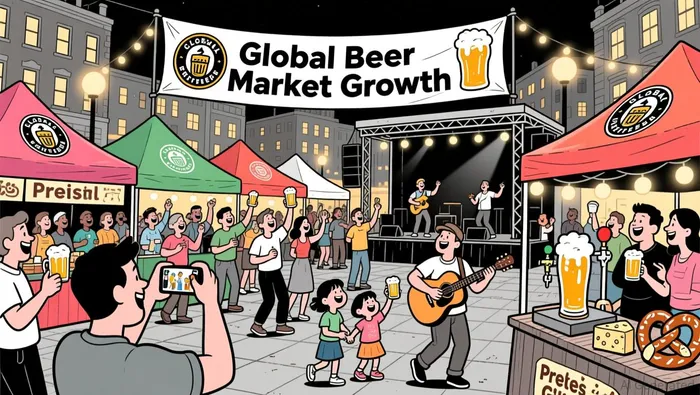
Tourism and hospitality are also contributing to the market's recovery and growth. As travel rebounds, beer consumption in bars, resorts, and airports is seeing strong demand. Brewery-led events and cultural festivals are drawing new consumers into the category and boosting regional economies, reinforcing beer's role in social and celebratory occasions.
Why the Standoff Happened
Despite moderation trends and regulatory pressures, the beer market is adapting by introducing low-alcohol and sustainable packaging options. These innovations are helping the industry maintain its relevance among younger consumers and expanding into emerging economies. The shift also reflects a broader consumer movement toward wellness and environmental consciousness, which has accelerated the adoption of lighter beer formats and eco-friendly packaging.
One of the key drivers of growth is the resurgence of craft brewing. Independent brewers are leveraging localized ingredients and experiential marketing to stand out in a crowded market. By focusing on hyper-local sourcing and experimental formulations, these breweries are creating a sense of community and authenticity that resonates with a new generation of consumers.
Risks to the Outlook
While the market is expanding, it is not without challenges. Regulatory pressures, moderation trends, and economic uncertainty pose risks to long-term growth. However, the industry is countering these headwinds through product innovation and strategic diversification. Brands are introducing hybrid styles, botanical blends, and allergen-free options to cater to evolving consumer preferences according to market analysis.
The competitive landscape is also shifting, with multinational corporations investing in premiumization and diversification. Meanwhile, smaller craft breweries are pushing the boundaries of flavor and innovation, capturing market share through agility and unique storytelling. This dual-track approach is reshaping the industry's dynamics and ensuring a broader appeal across different consumer segments.
Emerging markets, particularly in the Asia-Pacific region, are set to drive much of this growth. Rising urbanization, an expanding middle-income population, and the popularity of premium and low-alcohol varieties are all contributing to the region's upward trajectory. Localized innovations, such as tropical-style beers tailored to regional climates, are helping brands connect with younger consumers.
What This Means for Investors
For investors, the beer market presents a mix of opportunities and risks. The industry's focus on premiumization, craft brewing, and sustainability suggests long-term potential, particularly in emerging markets. However, regulatory changes and moderation trends could impact short-term growth. Investors should monitor key developments, including shifts in consumer preferences, regulatory changes, and innovations in product offerings.
The market's segmentation also offers diverse investment opportunities. With categories ranging from standard and premium beers to non/alcohol and specialty formats, companies with a diversified portfolio are better positioned to navigate changing trends. Additionally, the growth of online sales channels and experiential retail models is creating new revenue streams for brands.
As the beer market continues to evolve, stakeholders must remain agile. Brands that prioritize innovation, sustainability, and consumer engagement are likely to gain a competitive edge. At the same time, investors should keep a close eye on regulatory developments and economic conditions that could influence the market's trajectory.







Comentarios
Aún no hay comentarios