
Ghana's Political Pivot: How Macro Reforms Are Opening the Door to Strategic Investments in Cocoa, Mining, and Infrastructure
The 2024 Ghanaian election marked a critical inflection point, with John Mahama's return to power signaling a renewed focus on macroeconomic stabilization and structural reforms. Under his National Democratic Congress (NDC) government, the country has embarked on a ambitious agenda to tackle fiscal discipline, inflation, and debt—key pillars that could reposition Ghana as an attractive frontier market. For investors, this presents a compelling opportunity to capitalize on sector-specific recoveries, provided risks tied to policy execution and external headwinds are carefully managed.
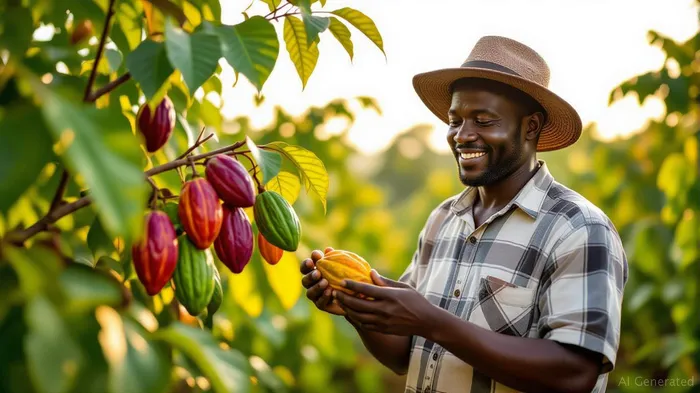
Cocoa/Agriculture: A Foundation for Stability
Ghana's cocoa sector, which accounts for nearly 10% of GDP and 60% of export revenue, is at the heart of the government's recovery strategy. The revised Fiscal Responsibility Act (FRA) aims to stabilize public finances, reducing the risk of abrupt policy shifts that previously disrupted commodity markets. With inflation now cooling to 22% (from a high of 54% in late 2022), the government has gained flexibility to address structural issues in agriculture, such as improving farmer access to credit and modernizing supply chains.
Investors in cocoa-related equities—such as agribusiness firms or logistics providers—could benefit from this stability. However, the sector's vulnerability to weather shocks (as seen in 2024's dry spell) remains a risk, underscoring the need for drought-resistant crops and better insurance frameworks.
Mining: Modernizing Tax Regimes for Sustainable Returns
Ghana's mining sector, dominated by gold and oil, is undergoing a regulatory overhaul. Technical assistance from the IMF has spurred reforms to modernize the fiscal regime for mining and petroleum sectors, aiming to boost tax compliance and domestic revenue. The government's focus on debt sustainability has also reduced the risk of sudden tax hikes to plug budget gaps—a key concern for miners.
For investors, this creates an entry point into gold and oil assets, particularly those with low-cost operations or concessions in politically stable regions. However, execution risks linger: delays in finalizing external debt restructuring (e.g., with non-G20 creditors) could strain fiscal buffers, leaving mining firms exposed to budgetary volatility.
Infrastructure: Leveraging Public-Private Partnerships
The Bank of Ghana's reforms to unify the foreign exchange market and the IMF-backed public investment management (PIM) reforms are paving the way for infrastructure upgrades. The government's 24-hour economy initiative—promoted by President Mahama—targets logistics bottlenecks, including port modernization and road projects.
Investors in construction firms or toll-road concessions could benefit, though projects will require patience. Risks include bureaucratic delays and the need for consistent funding, especially if external debt talks falter.
The Bigger Picture: Reviving Investor Confidence
The Mahama administration's alignment with IMF programs has already bolstered credibility. The policy rate cut (down 300 bps in 2024) and declining inflation have improved the business environment, while fiscal consolidation targets (e.g., a 1.5% primary surplus) signal long-term discipline.
Foreign investors, particularly in emerging market debt funds, are likely to take notice. However, the political climate remains fragile: fiscal slippages tied to election-related spending (as seen in 2024) or social unrest over inequality could derail progress.
Investment Thesis: A Selective Play
Go Long on:
1. Cocoa Agribusinesses: Firms with vertical integration (e.g., processing and export capabilities) stand to benefit from stable prices and improved logistics.
2. Gold Miners with Low Costs: Companies like AngloGold AshantiAU-- or local firms with strong local ties could profit from a weaker cedi (if the FX reforms hold) and higher global gold prices.
3. Infrastructure PPPs: Port and road projects tied to government priorities, such as the Tema Port expansion, offer long-term revenue streams.
Avoid:
- High-Leverage Firms: Until external debt restructuring is fully resolved, sectors dependent on dollar-denominated borrowing (e.g., construction) face currency risks.
- Commodity Exposures Without Diversification: Oil and gold prices remain volatile; investors should pair these with hedges or broader Africa baskets.
Key Risks to Monitor
- Debt Restructuring Delays: Progress with external creditors (beyond the G20) is critical to avoid a liquidity crunch.
- Fiscal Discipline Slippage: Watch for adherence to the 1.5% primary surplus target.
- Global Commodity Cycles: Gold, cocoa, and oil prices are tied to geopolitical and macro trends beyond Ghana's control.
Conclusion
Ghana's political shift offers a rare combination of reform momentum and sector-specific opportunities. For investors willing to navigate execution risks, the cocoa, mining, and infrastructure sectors could deliver asymmetric returns. But success hinges on the government's ability to stick to its fiscal anchors—a test that will define Ghana's path to sustainable growth in the years ahead.
Stay tuned to Ghana's IMF program reviews and quarterly debt/GDP metrics—these will be the true litmus tests for investor confidence.







Comentarios
Aún no hay comentarios