
Ghana's Crypto Legalization and Its Implications for African Fintech Growth
Ghana's formal legalization of cryptocurrency trading in 2025 marks a pivotal moment for African fintech innovation. By passing the Virtual Asset Service Providers (VASP) Bill, 2025, the country has transformed its digital asset landscape from a regulatory gray zone into a structured, investor-friendly ecosystem. This move not only addresses long-standing concerns about fraud and financial instability but also positions Ghana as a regional leader in crypto adoption, offering strategic entry points for investors seeking high-growth opportunities in Africa's evolving fintech sector.
A Regulated Framework for Stability and Innovation
The VASP Bill establishes a clear legal framework for crypto activities, granting the Bank of Ghana and the Securities and Exchange Commission (SEC) authority to license, supervise, and regulate virtual asset service providers (VASPs). This oversight ensures compliance with anti-money laundering (AML) and counter-terrorist financing (CFT) standards, including the "Travel Rule," while fostering consumer protection and financial stability. For investors, this regulatory clarity reduces operational risks and aligns Ghana with global best practices, making it an attractive destination for international exchanges and fintech firms previously deterred by legal ambiguity.
The law also mandates licensing for crypto exchanges, wallet providers, and custody services, creating a tiered system where compliance is non-negotiable. This structure not only legitimizes the sector but also incentivizes innovation in areas like cross-border payments and remittances, where Ghana's existing $3 billion annual crypto activity demonstrates untapped potential.
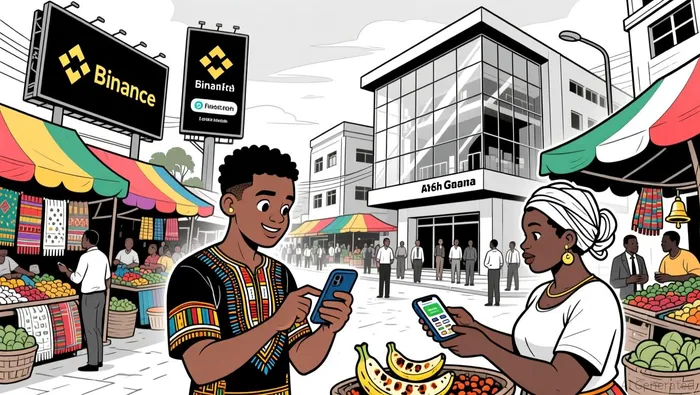
Strategic Sectors for Investment
Three key sectors emerge as prime targets for investors in Ghana's regulated crypto market:
Fintech Startups and SMEs:
With 3 million Ghanaians already engaged in crypto transactions, startups like BitAfrika, Mybitstore, and Cashramp are leveraging the new legal framework to expand their services. Cashramp, for instance, has secured funding for its peer-to-peer stablecoin exchange, highlighting the viability of crypto-based solutions for everyday financial needs. Investors can capitalize on the growing demand for digital wallets, lending platforms, and SME-focused tools that integrate crypto with traditional banking.Remittance Services:
Ghana's diaspora-driven economy makes remittance efficiency a critical priority. The VASP Bill's emphasis on reducing transaction costs and improving transparency aligns with the needs of a population where 17% of adults use crypto for cross-border transfers. Startups specializing in blockchain-based remittances, such as PayPlux and TheBITco, are well-positioned to disrupt traditional corridors dominated by high fees and slow processing times.Infrastructure and Embedded Finance:
The African fintech sector is witnessing a surge in embedded finance models, where financial services are integrated into non-financial platforms. Ghana's regulatory environment supports this trend, enabling partnerships between mobile money operators and crypto platforms to offer services like instant loans, insurance, and micropayments. For example, Kofa's $3.25M seed round in April 2025 underscores investor confidence in infrastructure-backed fintech solutions.
Broader African Trends and Regional Synergies
Ghana's regulatory approach mirrors a continent-wide shift toward embracing digital assets. Countries like Kenya and Nigeria are adopting similar frameworks, creating a cohesive ecosystem for cross-border fintech collaboration. This regional alignment reduces fragmentation for investors, allowing them to scale solutions across multiple markets.
Moreover, the rise of AI-driven financial inclusion tools-such as credit scoring algorithms and fraud detection systems-further enhances the appeal of African fintech. Startups like Moove and Nala, which operate across the continent, are integrating these technologies to serve underserved populations, a trend that Ghana's legal framework now explicitly supports.
Risks and Mitigation Strategies
While the opportunities are substantial, investors must navigate challenges such as macroeconomic volatility and evolving regulatory requirements. Ghana's cedi has experienced sharp fluctuations, which could impact crypto valuations. However, the VASP Bill's focus on solvency and internal controls for VASPs provides a buffer against such risks. Additionally, partnerships with local institutions and adherence to global AML standards can mitigate compliance concerns.
Conclusion: A Gateway to Africa's Digital Future
Ghana's crypto legalization is more than a regulatory milestone-it is a catalyst for fintech growth across Africa. By offering a structured, innovation-friendly environment, the country invites investors to tap into a market where 3 million users are already active and where regional trends point to sustained expansion. For those seeking strategic entry points, the focus should be on startups with scalable solutions, partnerships that bridge traditional and digital finance, and sectors aligned with Africa's macroeconomic needs.
As the continent's fintech landscape matures, Ghana's proactive approach ensures it remains a hub for both local and international capital, paving the way for a future where crypto and fintech drive inclusive economic growth.







Comentarios
Aún no hay comentarios