
Germany's SPD-Merz Coalition: Navigating Fiscal Prudence and Strategic Defense in 2025
The formation of Germany’s SPD-Merz coalition in April 2025 marks a pivotal shift in European politics, with profound implications for investors. The center-right Christian Democrats (CDU/CSU) and center-left Social Democrats (SPD) have united behind a platform emphasizing fiscal discipline, enhanced defense spending, and a renewed push for European leadership. At the helm of this coalition is Friedrich Merz, a pragmatic conservative, and Lars Klingbeil, the SPD’s newly appointed finance minister—a pairing that underscores both ambition and risk. For investors, this allianceAENT-- presents opportunities in defense, energy, and technology sectors, but also challenges tied to regulatory overreach and fiscal execution.
Fiscal Policy: Klingbeil’s Balancing Act
Klingbeil, a veteran of the SPD’s conservative wing, faces immediate scrutiny. Critics argue his limited fiscal experience—despite his political clout—could complicate the coalition’s ambitious goals. The SPD’s control over the finance ministry signals a focus on higher taxes and social spending, while the CDU/CSU’s priorities include tax cuts for businesses and regulatory reform. This tension will test the coalition’s ability to balance growth and equity.
The DAX’s recent stability (+4.2% YTD as of April 2025) suggests markets are cautiously optimistic about the coalition’s economic plans. However, the SPD’s push for debt-financed defense spending—a historic move to bolster NATO commitments—adds uncertainty. Investors in sectors like aerospace and defense should monitor fiscal discipline closely, as any missteps could spook bond markets.
Defense Spending: A Boon for Contractors
The coalition’s defense agenda is its most concrete commitment. With Russia’s ongoing aggression in Ukraine and U.S.-Europe trade tensions, Germany’s pledge to increase defense spending to 2% of GDP (up from 1.5%) will boost firms like Airbus and Thyssenkrupp, which dominate Europe’s defense manufacturing.
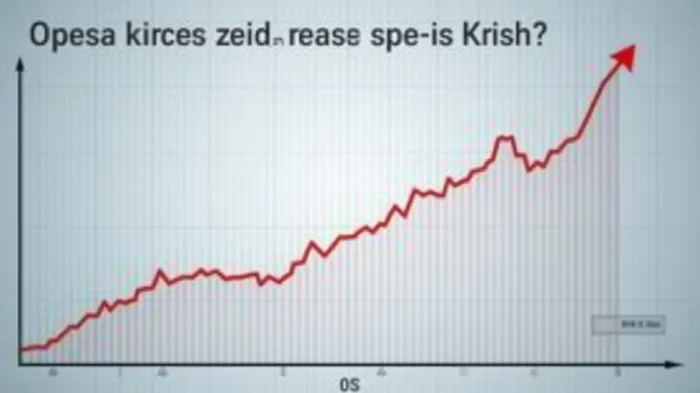
Both stocks rose 8% and 12%, respectively, following the April 30 coalition signing, reflecting investor confidence in defense contracts. However, execution risks remain: delays in procurement or a backlash against defense spending could disrupt this momentum.
EU Leadership and Regulatory Overhaul
Merz’s vision of “more German leadership” in Europe aligns with his critique of EU “overregulation,” such as stringent car safety rules and consumer product standards. While this could ease bureaucratic burdens for industries like automotive and tech, it may strain EU cohesion.
For investors, sectors like renewable energy and automotive stand to benefit from streamlined regulations. Germany’s climate targets (65% renewable energy by 2030) remain intact under SPD control of the environment ministry, supporting firms like Siemens Gamesa and Bosch.
Migration and Climate: Crosscurrents Ahead
The CSU’s hardline stance on migration—via interior minister Alexander Dobrindt—could heighten tensions with the SPD, which favors a more open asylum policy. Meanwhile, the SPD’s climate agenda may clash with the CDU’s focus on nuclear energy, complicating grid investments.
Germany’s emissions fell 12% from 2020 to 2023, but achieving net-zero by 2045 will require massive infrastructure spending. Investors in green tech and grid modernization should watch for coalition compromises here.
Controversies and Risks
Klingbeil’s fiscal credibility is the coalition’s weakest link. With opposition parties already questioning his expertise, any misstep—such as a botched budget or debt-fueled overspending—could trigger a crisis. Additionally, Merz’s transatlantic tensions with Trump’s protectionist policies risk retaliatory tariffs on German exports like machinery and chemicals.
Conclusion: A Mixed-Opportunity Landscape
The SPD-Merz coalition offers investors a two-tiered strategy:
1. Defensive Plays: Invest in defense contractors (Airbus, Thyssenkrupp) and renewable energy firms (Siemens Gamesa) poised to benefit from policy tailwinds.
2. Riskier Bets: Monitor regulatory-sensitive sectors like automotive (BMW, Volkswagen) and tech, which could thrive if EU reforms proceed smoothly.
However, caution is warranted. The coalition’s success hinges on Klingbeil’s fiscal credibility and Merz’s ability to navigate EU-U.S. tensions. With Germany’s economy growing at 1.2% (Q1 2025 estimates), the stakes are high. Investors should remain agile, balancing exposure to defense and green growth while hedging against fiscal mismanagement. The SPD-Merz experiment is as much a political test as an economic one—and markets will demand results.







Comentarios
Aún no hay comentarios