
Germany Scales Back Offshore Wind Auctions to Avert Industry Standstill
Germany has reduced the size of its offshore wind auctions for 2026 after the previous round failed to draw any bidders. The government will offer between 2.5 and 5 gigawatts of capacity, down from a previous target of up to 6 gigawatts. This decision follows a failed August auction in the North Sea, which saw no bids despite the country's ambitious renewable energy goals according to reports. The move reflects a broader challenge in securing new offshore wind projects as developers face rising costs and uncertain revenues.
The lack of bids has raised concerns about the future of Germany's offshore wind industry, which remains the largest in the European Union. Developers are hesitant to commit to new projects due to a combination of supply chain constraints, cost inflation, and an auction system that does not offer financial guarantees.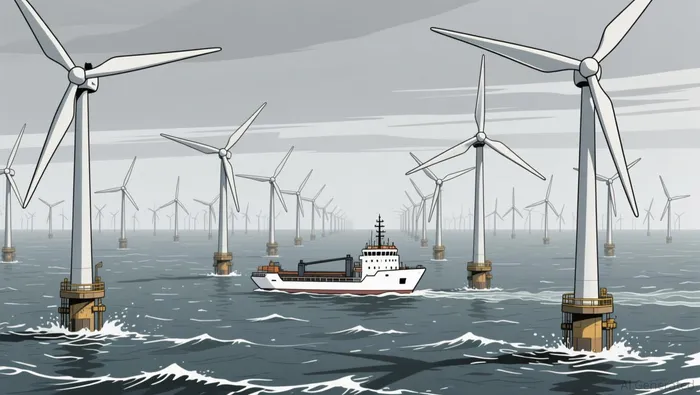 The Economy Ministry acknowledged that a "fundamental examination of the framework conditions" is necessary but has opted to proceed with 2026 auctions to avoid a potential project standstill.
Industry groups have pushed for a redesign of the auction system to include mechanisms like contracts for difference, which would reduce financial risks for developers. However, the government has ruled out delaying the 2026 rounds, as a pause would jeopardize the timeline for new capacity agreements. The first auction is scheduled for February 1, with additional rounds planned for June and August.
Why the Standoff Happened
Rising costs and supply chain constraints have made offshore wind projects less attractive for developers. The Economy Ministry highlighted "tight" supply chains and increasing costs as major obstacles according to official statements. In addition, Germany's auction system lacks subsidies, a policy that had previously worked when electricity prices were higher but is now deterring investment. The absence of a financial safety net for developers has made it difficult to justify the high upfront costs of new projects.
A failed North Sea auction in August underscored these challenges, with no bidders participating despite the country's need to expand its wind capacity to meet climate goals. The lack of reform in the tendering process has left industry leaders calling for urgent changes. Without a more stable financial environment, developers are unlikely to take on the risks associated with long-term offshore wind projects.
What This Means for Investors
The revised auction plan signals a cautious approach to offshore wind development in Germany. By scaling back the amount of capacity available, the government is trying to balance the need for new projects with the current lack of investor interest. This approach may help maintain momentum in the sector but does little to address the underlying issues deterring developers.
For investors, the uncertainty surrounding offshore wind projects could affect long-term energy security and the pace of decarbonization in Germany. The move to smaller auctions may also have implications for local supply chains and employment in the sector. With the government delaying major reforms until 2027, the next few years will be critical in determining whether the industry can regain its momentum.
The coming months will be crucial in determining whether the government can adapt to the new market realities and attract the necessary investment to keep the sector moving forward.







Comentarios
Aún no hay comentarios