
German Exports Gain Momentum in March Amid Sectoral Shifts and Global Demand Shifts
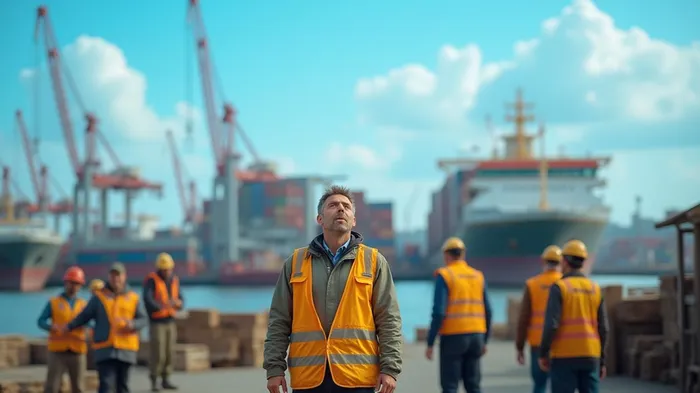
The German economy, long the engine of European trade, saw its goods exports rise by 1.1% month-over-month (m/m) in March 2025, marking a modest rebound after a slowdown in early 2025. This growth, while tempered by sectoral disparities, reflects a mix of rising global demand, inflation-driven price hikes, and strategic shifts in key industries. However, underlying risks—from energy volatility to lingering pessimism in certain sectors—suggest caution for investors.
The Data Behind the Growth
The Federal Statistical Office (Destatis) reported that export prices for German goods rose 2.0% year-over-year (YoY) in March 2025, down from 2.5% in February, signaling a moderation in inflationary pressures. Key drivers included:
- Intermediate Goods: Prices for non-ferrous metals (+11.6% YoY) and precious metals (+32.5% YoY) surged, fueled by global industrialGIC-- demand and geopolitical tensions.
- Machinery and Motor Vehicles: Gains of 1.7% and 1.5% YoY, respectively, highlight stability in Germany’s high-value manufacturing sectors.
- Consumer Staples: Coffee (+53.1% YoY), cocoa (+24.2% YoY), and dairy products (+27% YoY) saw sharp increases, likely tied to supply chain disruptions and commodity market dynamics.
However, energy exports—a critical sector—exhibited volatility. Despite a 13.2% YoY price rise, energy exports fell 7.5% m/m, with natural gas prices dropping 3.0% in March. This underscores the sector’s sensitivity to geopolitical shifts, such as fluctuating Russian gas supplies and renewable energy transitions.
Sectoral Sentiment and Risks
Destatis noted contrasting outlooks across industries:
- Stable Sectors: Automotive and electrical equipment manufacturers reported improved export sentiment, benefiting from global supply chain recovery and EV demand.
- Pessimistic Sectors: Metal and clothing industries remain gloomy, likely due to overcapacity and shifting trade policies.
Investment Implications
1. Focus on High-Value Manufacturing
Germany’s automotive and machinery sectors remain pillars of its export economy. Companies like Volkswagen (VOWG_p.DE) and Siemens (SIEG) could benefit from steady demand, especially in EVs and industrial automation.
2. Caution in Energy and Metals
While energy prices remain elevated, the sector’s m/m volatility and geopolitical risks make it a high-risk play. Investors might instead target precious metals miners (e.g., Hochschild Mining) or non-ferrous metal firms (e.g., ThyssenKrupp) if global industrial activity holds up.
3. Monitor Commodity-Driven Sectors
Exporters of coffee, cocoa, and dairy (e.g., Nestlé (NESN)) could see short-term gains from price spikes, but long-term sustainability depends on resolving supply chain bottlenecks.
The Broader Picture
The 1.1% m/m growth suggests resilience in Germany’s export machine, but the moderating YoY rate (2.0% in March vs. 2.5% in February) hints at challenges ahead. A cooling global economy, inflation pressures, and China’s uneven recovery could test Germany’s export-dependent model.
Conclusion
Investors should prioritize German firms with exposure to stable, high-value sectors like automotive and machinery, while avoiding overexposure to energy and metals. The March data underscores the economy’s adaptability but also the need for diversification in a volatile global landscape.
In summary, Germany’s export recovery is uneven but real. Strategic bets on resilient industries, paired with a watchful eye on macro risks, will be key to navigating this environment.







Comentarios
Aún no hay comentarios