
German Engineering Orders Surge: A Sustained Recovery or a Fleeting Rally?
The German engineering sector has shown unexpected resilience in early 2025, with factory orders rising for the second consecutive month in March. According to Destatis, industrial orders surged by 3.6% month-over-month (MoM) and 3.8% year-over-year (YoY), driven by robust demand across electrical equipment, machinery, and construction sectors. While this rebound offers hope for a broader economic turnaround, underlying risks—from U.S. trade policies to structural challenges—suggest caution is warranted. Here’s what investors should know.
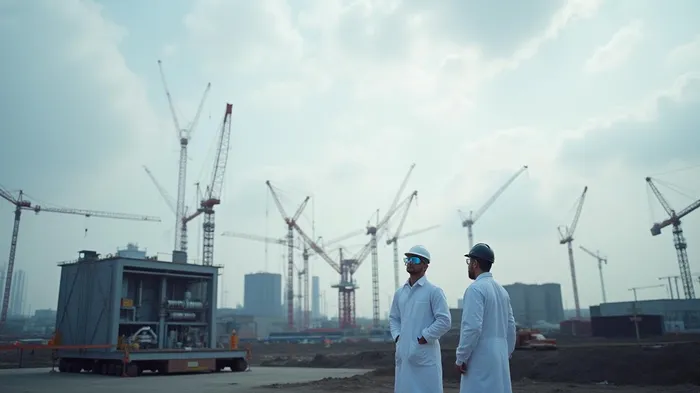
The Growth Drivers
The March surge was broad-based, with key sectors contributing significantly:
- Electrical equipment orders jumped 14.5% MoM, fueled by demand for renewable energy infrastructure, smart manufacturing tools, and digitalization projects.
- Capital goods (e.g., machinery, equipment) rose 3.7% MoM, reflecting investment in industrial automation and infrastructure upgrades.
- Foreign orders increased 4.7% MoM, with the eurozone leading the charge (+8% MoM), while domestic orders grew 2% MoM, marking improved local business confidence.
The construction machinery subsector also showed promise, with orders rising 4% YoY in Q1, driven by strong foreign demand (+12% from eurozone clients). This aligns with Germany’s 2% average annual growth projection for the construction sector through 2028, supported by projects like TSMC’s $8.5 billion semiconductor plant in Dresden.
Underlying Risks and Cautionary Notes
Despite the positive data, risks loom large:
1. U.S. Tariff Uncertainty: A significant portion of the March rebound may reflect anticipatory stockpiling ahead of U.S. tariff increases on German exports (e.g., automotive, machinery). The German Economy Ministry warns that these tariffs could dampen growth later in 2025.
2. Global Demand Weakness: While eurozone demand is improving, non-euro foreign orders grew only 2.8% MoM, and non-eurozone orders had collapsed 14.8% MoM in November 2024. Persistent global economic fragility could undermine exports.
3. Domestic Challenges: Domestic orders remain uneven. Construction sector output fell 3.2% MoM in February, and unemployment rose 26,000 persons in February 2025, signaling labor market strains.
Investment Implications
The March data presents a mixed picture for investors:
- Sector Opportunities:
- Electrical and renewable energy engineering: Companies like Siemens Energy (which specializes in wind turbines and grid infrastructure) stand to benefit from Germany’s push to achieve 80% renewable energy by 2030.
- Export-oriented machinery manufacturers: Firms with strong eurozone exposure (e.g., KION Group for logistics equipment) may outperform, though U.S. tariff risks require hedging.
- Risks to Monitor:
- Trade Policy: Track developments around U.S.-EU trade negotiations. A could highlight exposure to currency swings.
- Corporate Insolvencies: With insolvencies rising 18.4% YoY in Q1, investors should prioritize companies with strong balance sheets and diversified revenue streams.
Conclusion: A Fragile Upturn
The German engineering sector’s rebound in March 2025 is undeniably positive, with broad-based gains across sectors and regions. However, the recovery’s sustainability hinges on resolving U.S. trade tensions, stabilizing global demand, and addressing structural issues like high energy costs and labor market volatility.
Crucially, the 3.6% MoM surge in March contrasts sharply with a 2.3% quarterly decline in Q1 compared to Q4 2024, underscoring underlying fragility. Investors should focus on companies with diversified export portfolios, exposure to renewable energy transitions, and minimal reliance on U.S. markets. While the data suggests a cyclical upturn, structural challenges mean this rally could yet prove fleeting.
As the German Economy Ministry cautioned: “A renewed weakening of the industrial economy over the further course of the year cannot be ruled out.” For now, the sector’s revival is a flicker of hope—but one that requires careful nurturing to become a sustained flame.







Comentarios
Aún no hay comentarios