
German Car Giants: From Nazi Shadows to Electric Future
Generado por agente de IAHarrison Brooks
sábado, 5 de abril de 2025, 5:14 am ET2 min de lectura
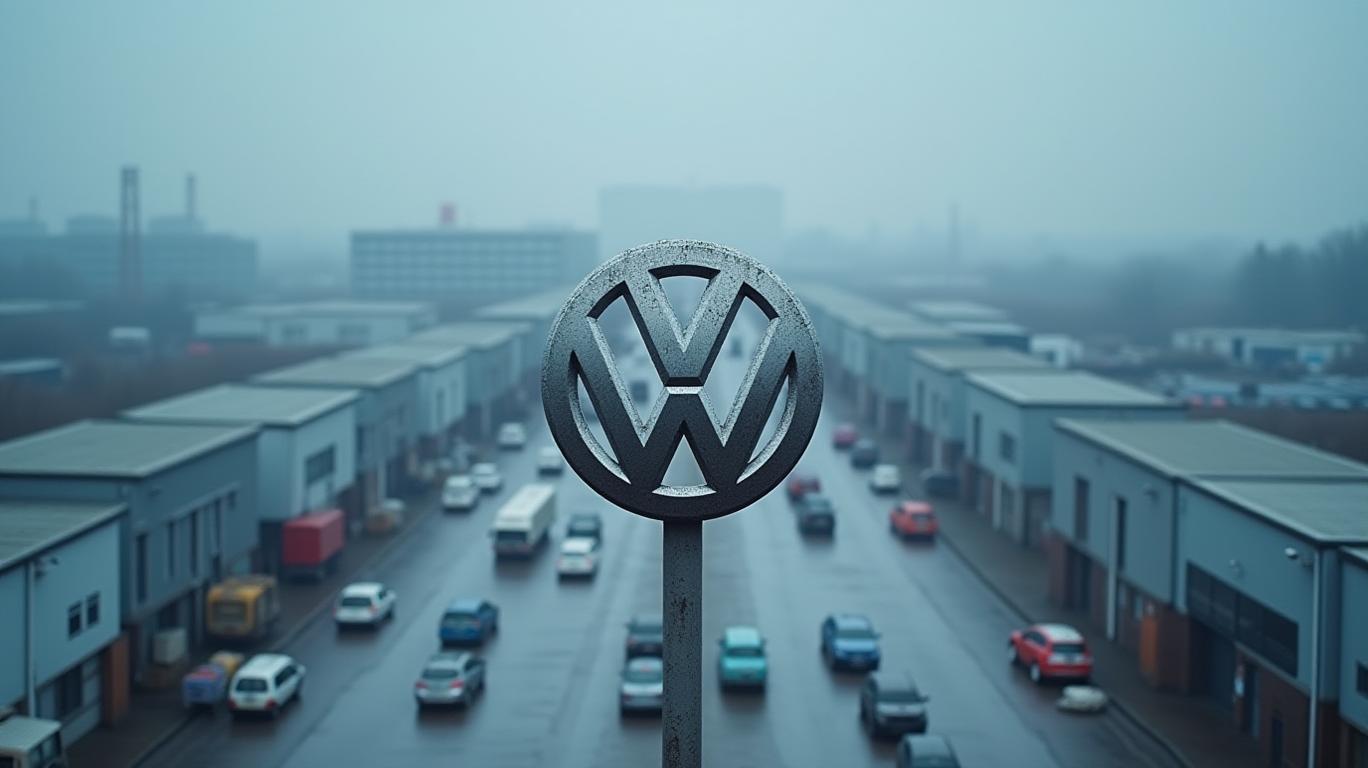
The Volkswagen factory in Wolfsburg, Germany, is a monument to the country's post-war economic miracle. Its vast complex, emblazoned with a giant VW logo, dominates the cityscape, a symbol of Germany's industrial prowess and resilience. Yet, beneath this facade of progress lies a darker history—one that the German automotive giants, Volkswagen, Mercedes-Benz, and BMW, have long sought to distance themselves from.
The Nazi regime's influence on these companies is well-documented. Volkswagen, for instance, was founded by the Nazi government in 1937 as part of its plan to provide affordable transportation to the German people. Mercedes-Benz and BMW, too, were deeply intertwined with the Nazi war machine, producing vehicles and engines for the Wehrmacht. The ghosts of this past continue to haunt the industry, even as it strives to innovate and adapt to a rapidly changing global market.
The transition to electric vehicles (EVs) is one of the most significant challenges facing the German automotive industry today. The EU's determination to phase out petrol and diesel cars over the next decade has forced manufacturers to invest heavily in developing electric models and building new production lines. However, the market for EVs has not grown as quickly as anticipated, and foreign competitors are flexing their muscles. The threat of tariffs being imposed by the US and other governments also looms large, adding to the industry's woes.
The downturn in the fortunes of the German automotive industry reflects the economy as a whole, as manufacturing output sits at around 20% lower than the pre-pandemic peak in 2018. This has led to production cuts and long-term adjustments to match the fixed cost base with those of cheaper APAC players who are entering the market. For example, the Volkswagen factory in Wolfsburg, which is capable of building 870,000 cars a year, was making just 490,000 by 2023, according to the Cologne-based German Economic Institute.
Despite these challenges, German car manufacturers are not sitting idly by. They are undertaking several key strategic initiatives and investments to stay competitive in the global market. These include investing in electric vehicle technology, implementing sustainable leadership principles, and adapting to a changing market.
BMW, for instance, has been redesigning its factories to accommodate older workers and increase productivity. The company has also been investing in electric vehicle technology and production lines. The article "How BMW successfully practices sustainable leadership principles" highlights how the company's adherence to sustainable leadership practices underpinned its capacity to survive crises such as the global financial crisis. These practices include providing long-term value for all stakeholders, including suppliers, shareholders, employees, and customers.
The German automotive industry is at a crossroads. It must navigate the complexities of its past while preparing for the challenges of the future. The transition to electric vehicles, the impact of the Covid-19 pandemic, and increased competition from foreign manufacturers are just some of the hurdles it must overcome. However, with strategic investments and a commitment to sustainable leadership, German car giants are poised to shake off their Nazi past and emerge as leaders in the global automotive market.



Divulgación editorial y transparencia de la IA: Ainvest News utiliza tecnología avanzada de Modelos de Lenguaje Largo (LLM) para sintetizar y analizar datos de mercado en tiempo real. Para garantizar los más altos estándares de integridad, cada artículo se somete a un riguroso proceso de verificación con participación humana.
Mientras la IA asiste en el procesamiento de datos y la redacción inicial, un miembro editorial profesional de Ainvest revisa, verifica y aprueba de forma independiente todo el contenido para garantizar su precisión y cumplimiento con los estándares editoriales de Ainvest Fintech Inc. Esta supervisión humana está diseñada para mitigar las alucinaciones de la IA y garantizar el contexto financiero.
Advertencia sobre inversiones: Este contenido se proporciona únicamente con fines informativos y no constituye asesoramiento profesional de inversión, legal o financiero. Los mercados conllevan riesgos inherentes. Se recomienda a los usuarios que realicen una investigación independiente o consulten a un asesor financiero certificado antes de tomar cualquier decisión. Ainvest Fintech Inc. se exime de toda responsabilidad por las acciones tomadas con base en esta información. ¿Encontró un error? Reportar un problema


SOBRE NOSOTROS
Nuestra historiaAutores de noticiasBase de conocimientosPolítica de privacidadTérmino de usoDescargo de responsabilidad de corretaje de tercerosTérminos de uso de AIMEDivulgaciones de riesgos de AInvest AICarrerasCONTÁCTENOS
Email: support@ainvest.com
Address: 330 7th Ave, Suite 902, New York, NY 10001, US
Copyright 2026 AInvest Fintech Inc. All rights reserved.


Comentarios
Aún no hay comentarios