
Gerdau S.A.'s Strategic Position in the Evolving Steel and ESG Landscape
In an industry grappling with decarbonization and shifting demand, Gerdau S.A. (GGB) has emerged as a pivotal player in the global steel sector, leveraging strategic repositioning and ESG-driven initiatives to navigate challenges and capitalize on growth opportunities. Following its 2025 Investor Day, the company has outlined a clear roadmap to enhance profitability, reduce environmental impact, and secure its competitive edge in a rapidly evolving market.
Strategic Reorientation and Capital Allocation
Gerdau's revised CAPEX guidance-reduced from R$6.3 billion to R$5.8 billion for 2025-reflects a disciplined approach to capital allocation, with a focus on high-impact projects, according to a Bloomberg report. A cornerstone of this strategy is the expansion of its hot-rolled coil mill in Ouro Branco, Brazil, which will add 250,000 tonnes of annual capacity for high-value flat steel products, according to Gerdau's 1Q25 results. This shift toward differentiated offerings aligns with global trends favoring specialized steel, particularly in automotive and renewable energy sectors.
Geographic diversification is another pillar of Gerdau's strategy. The company has suspended $400 million in Brazilian investments due to weak market conditions and redirected capital to the U.S., where it plans to expand its Midlothian, Texas mill by 150,000 tonnes by 2026, as the RioTimes noted. This move leverages U.S. import tariffs and rising demand in data centers and renewable energy infrastructure, positioning Gerdau to benefit from structural growth drivers.
ESG Commitments and Clean Energy Investments
Gerdau's ESG strategy is anchored in a R$1.5 billion investment in clean energy initiatives, including solar panels, biomass-powered facilities, and electric arc furnaces (EAFs), which emit significantly less CO₂ than traditional blast furnaces, the Oreaco piece reports. These efforts are part of a broader commitment to reduce carbon intensity, supported by carbon accounting mechanisms to ensure transparency in emissions tracking.
The company has also prioritized operational efficiency, aiming to achieve R$1 billion in annual cost savings through logistics optimization and idling underperforming mills, according to a Material Fact filing. Such measures not only enhance profitability but also align with ESG goals by minimizing resource waste and environmental impact. Gerdau's ISO 14001 and ISO 9001 certifications across key facilities further underscore its dedication to environmental and quality standards, as shown in Gerdau's certifications.
Competitive Positioning and Market Dynamics
Gerdau's flexible EAF production model and geographic diversification provide a significant competitive advantage, according to Fitch Ratings. By focusing on high-value products and self-sourcing iron ore through mining and scrap processing in Brazil, the company mitigates supply chain risks and reduces costs, as the RioTimes noted. This contrasts with Chinese competitors, who rely on commoditized steel and face regulatory headwinds in export markets.
Financially, Gerdau is well-positioned, with a net debt/EBITDA ratio of 0.69 as of Q1 2025, according to a competitor analysis. Its capital allocation strategy includes a 31% dividend payout ratio and a share buyback program, balancing shareholder returns with reinvestment in growth, as Bloomberg reported.
ESG Ratings and Industry Comparisons
Despite its proactive ESG initiatives, Gerdau ranks 25th out of 153 steel companies in Sustainalytics' ESG Risk Rating, placing it in the mid-tier of its industry. While this lags behind leaders like SSAB AB (ranked 4) and Commercial Metals Co. (ranked 10), it reflects progress in a sector historically challenged by sustainability metrics. MSCI ESG ratings, though not explicitly detailed for Gerdau, emphasize the importance of risk management in energy-intensive industries.
Conclusion
Gerdau S.A. is strategically poised to thrive in the evolving steel and ESG landscape. By combining operational efficiency, geographic diversification, and aggressive clean energy investments, the company addresses both financial and environmental imperatives. While its ESG risk rating suggests room for improvement, its alignment with global decarbonization trends and robust capital allocation practices make it a compelling long-term investment. As the steel industry transitions toward sustainability, Gerdau's proactive stance positions it to outperform peers and deliver value to stakeholders. 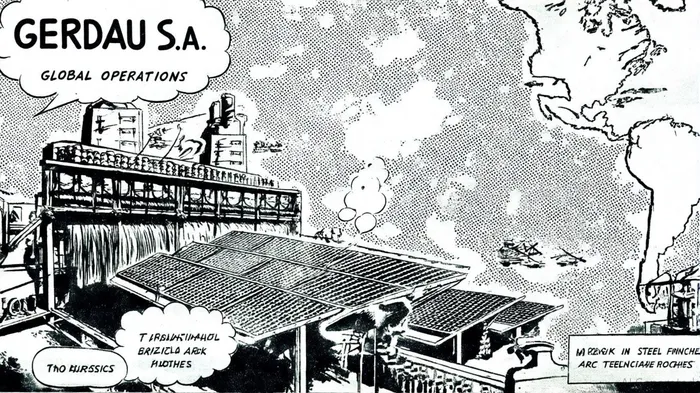







Comentarios
Aún no hay comentarios