
Gerdau (GGB): A Steel Giant Poised to Profit as U.S. Tariffs Ignite Demand
The U.S. decision to raise steel import tariffs to 50% has transformed the North American steel market, creating a golden opportunity for companies like Gerdau S.A. (NYSE: GGB). With its dominant U.S. operations and undervalued financial profile, Gerdau is now a compelling buy for investors looking to capitalize on this structural shift. Let's break down why UBS's recent “Buy” rating upgrade—and the bullish fundamentals behind it—make GGBGGB-- a standout play in the steel sector.
The Tariff Catalyst: Supply-Side Tightening Boosts Margins
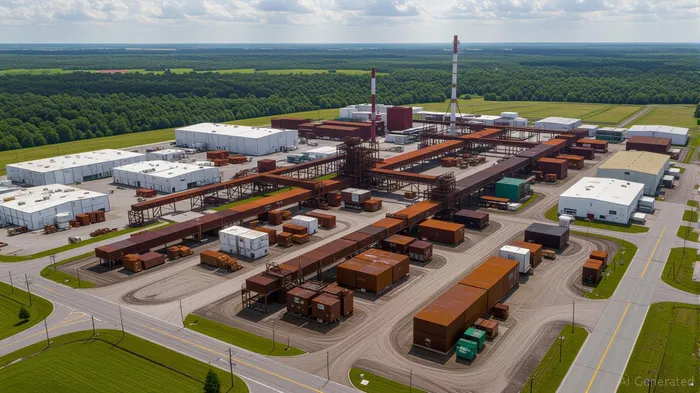
The 50% tariff on imported steel is a game-changer. By curbing cheaper imports, the policy reduces supply, forcing U.S. buyers to rely more on domestic producers like Gerdau. This dynamic tightens market conditions, enabling higher end-product spreads (the difference between sales prices and raw material costs) and fatter margins for companies with strong U.S. footprints.
Gerdau's Q1 2025 results already reflect this advantage: 49% of its adjusted EBITDA originates from the U.S., positioning it to capture the full upside of the tariff-driven supply crunch. UBSUBS-- analysts note that Gerdau's vertically integrated model—from raw steel production to finished products—allows it to pass along cost increases while maintaining control over pricing.
UBS's Bullish Call: A 32% EBITDA Upgrade and Compelling Valuation
UBS's June 2025 upgrade to “Buy” wasn't arbitrary. The firm raised its 2026 EBITDA forecast by 32% to R$13.2 billion, far exceeding the consensus estimate of R$11 billion. This revision reflects expectations of:
1. Higher end-product spreads: As tariffs reduce import competition, Gerdau can widen margins on its steel bars, plates, and other finished goods.
2. Lower capital expenditures: UBS projects CapEx declines post-2026, freeing cash flow for dividends or buybacks.
The free cash flow (FCF) yield is another key metric. Gerdau currently trades at a 15% FCF yield, with UBS targeting a 12% yield by 2026—a still-staggering figure that suggests the stock is undervalued relative to its cash-generating potential. Pair this with a P/E ratio of 9.42 (below the industry average of ~15), and the case for undervaluation strengthens further.
Dividend Potential and Capital Returns
Gerdau's Q1 2025 results also included a dividend announcement, though specifics remain undisclosed. However, UBS highlights that the company's plans to rebalance its capital structure could lead to cash returns exceeding free cash flow. Analysts estimate potential returns of up to 17% of equity, driven by a mix of dividends and share buybacks.
This focus on capital returns aligns with Gerdau's financial health: its “GREAT” rating (Financial Health Score of 3.09) reflects strong liquidity and manageable debt. With a market cap of ~$5.87 billion and GuruFocus valuing GGB at $3.54 per share in one year (a 19.19% upside), the stock appears poised to reward shareholders.
The Investment Thesis: Buy Now, Bank Later
The average Wall Street target of $4.02 (vs. the current price of ~$2.97) implies a 35%+ upside, but the real story is the multi-year tailwind from U.S. protectionism. Steel tariffs aren't a temporary blip—they're likely to endure as trade tensions persist.
For investors, GGB offers:
- Safety: A low P/E and high FCF yield act as cushions against downside risks.
- Growth: EBITDA and cash flow trajectories are set to accelerate as tariffs bite deeper into 2026.
- Income: Dividends could supplement gains as Gerdau rebalances its capital structure.
Final Verdict: A Buy with Legs
Gerdau is a textbook case of a value-driven, catalyst-rich investment. With U.S. tariffs reshaping the steel landscape, GGB's operational dominance, undervalued metrics, and improving FCF profile make it a standout buy.
Action Item: Consider initiating a position in GGB at current levels, targeting the $3.80 UBS price target—and beyond.
This analysis is based on public data as of July 7, 2025. Always conduct your own research before making investment decisions.







Comentarios
Aún no hay comentarios