
Geopolitical Trade Uncertainty: Identifying Resilient Sectors in a Fractured EU-US Relationship
The EU-US trade relationship, a cornerstone of global economic activity, now teeters on the brink of disengagement. With transatlantic trade valued at €1.6 trillion in 2023 and looming tariffs threatening to fracture this partnership, investors must pivot to sectors poised to thrive amid uncertainty. While the specter of a trade war looms, certain industries—particularly those with low exposure to cross-border supply chains or high demand for defensive goods—stand to outperform.
1. Pharmaceuticals and Medical Devices: Essential Resilience
The healthcare sector, already a critical pillar of EU-US trade, is uniquely positioned to withstand—or even benefit from—trade disruptions. The EU supplies 60% of U.S. pharmaceutical ingredients, while U.S. firms dominate advanced medical device manufacturing. In a disengagement scenario, both regions would likely prioritize domestic production to avoid shortages, creating tailwinds for companies with strong R&D pipelines and diversified manufacturing.
For example, European firms like Novo Nordisk (insulin) and Roche Holding AG (cancer therapies) could see increased demand as the EU accelerates localization efforts. Similarly, U.S. companies such as Pfizer and Medtronic may benefit from a shift toward domestic production.
2. Renewable Energy and Utilities: A Post-Tariff Energy Shift
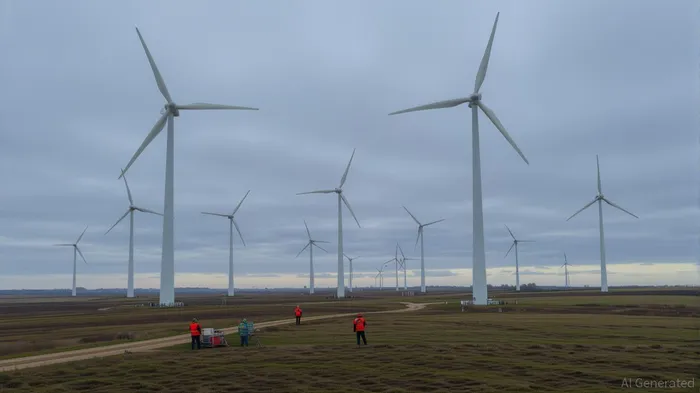
The U.S. remains the EU's largest buyer of natural gas and oil, but tariffs on energy infrastructure (e.g., turbines, solar panels) could accelerate a pivot toward renewables. European firms specializing in wind and solar energy—such as Orsted A/S and Siemens Gamesa Renewable Energy—stand to gain from EU green energy mandates. Conversely, U.S. energy companies like ExxonMobil and Chevron may see sustained demand if the EU continues to import fossil fuels despite tariffs.
3. Technology: Geopolitical Firewalls and Domestic Innovation
The EU's anti-coercion instrument (ACI) could target U.S. tech giants with taxes or investment restrictions, creating volatility for firms like Meta, Microsoft, and Apple. However, this same dynamic may fuel growth for European tech firms, particularly in cybersecurity and AI. Companies like Atos SE and Nokia could benefit from EU efforts to reduce reliance on U.S. software and hardware.
4. Defensive Consumer Staples: The Safe Harbor
Consumer staples—food, beverages, and household goods—remain resilient regardless of trade tensions. Companies like Nestlé and Procter & Gamble (P&G) have diversified supply chains and brand loyalty that insulate them from short-term disruptions. The EU's retaliatory tariffs on U.S. bourbon and agricultural goods may even boost European agribusinesses.
Investment Strategy: Balancing Exposure and Diversification
To navigate this landscape, investors should:
- Overweight sectors with low cross-border exposure (healthcare, utilities).
- Underweight industries reliant on U.S.-EU trade (automotive, agriculture).
- Hedge with ESG-focused renewables and defensive tech.
Conclusion
While EU-US trade tensions introduce volatility, they also create opportunities for sectors with inherent resilience. By prioritizing industries that align with both regions' strategic priorities—healthcare, energy, and defensive tech—investors can weather geopolitical storms while capitalizing on long-term trends. As the August 1, 2025, tariff deadline approaches, agility and diversification will be key.





Comentarios
Aún no hay comentarios