
Geopolitical Tensions and Stalled Diplomacy: A Catalyst for European Energy Market Volatility
The fragile ceasefire between Russia and Ukraine has collapsed into renewed military clashes, while stalled prisoner exchanges and escalating drone warfare threaten to destabilize European energy markets. With Russia's annexation of Ukrainian territory and Kyiv's asymmetric counterattacks intensifying, the risk of collateral damage to critical energy infrastructure—from pipelines to LNG terminals—has never been higher. Investors must now grapple with a new reality: geopolitical volatility could disrupt oil and gas supply chains far more than sanctions alone.
Stalled Diplomacy and Supply Chain Risks
The postponed prisoner swap, initially agreed upon in Istanbul but delayed indefinitely by Ukraine, underscores the breakdown of diplomatic channels. While Russia claims to have repatriated remains of 503 Ukrainian soldiers, Kyiv's reluctance reflects broader distrust over Moscow's territorial ambitions. This impasse not only prolongs the conflict but also heightens the risk of retaliatory attacks on energy infrastructure.
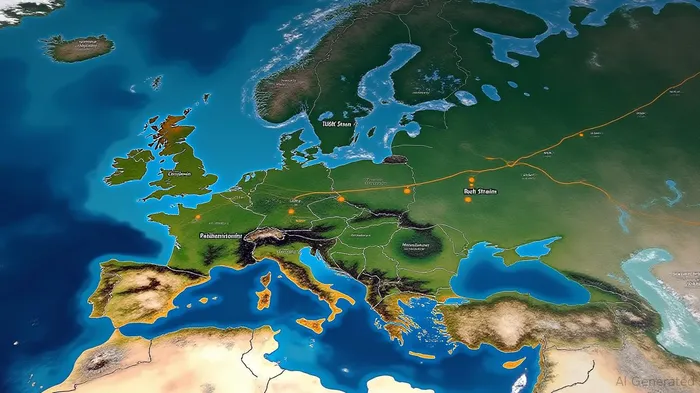
The military calculus here is stark. Ukrainian drone strikes on Russian airbases in Siberia and the Arctic—damaging nearly a third of Russia's strategic bomber fleet—have forced Moscow to divert resources from frontlineFRO-- offensives to homeland defense. Yet, Russia's retaliatory bombardment of Ukrainian energy hubs, including Kherson's power plants, has already disrupted local gas distribution.
Despite EU sanctions, Russia's TurkStream gas deliveries rose to 46 million cubic meters per day in June—a 10.3% increase—highlighting Europe's lingering reliance on Russian energy. This vulnerability could amplify if Kyiv's drone warfare targets Russian export terminals or transit routes.
Escalating Military Tensions: A Direct Threat to Energy Infrastructure
The conflict's geographic spread now threatens Europe's energy backbone. Russia's advance into Sumy and Zaporizhzhia regions places pipelines and storage facilities directly in the crossfire. For instance:
- Nord Stream 1: Though inactive for gas transport, its decommissioned infrastructure near the Black Sea remains a potential military target.
- TurkStream: A critical artery for Balkan gas supplies, its vulnerability to cross-border shelling has risen as Russian forces push westward.
- Ukraine's LNG terminals: Kyiv's reliance on Western-supplied drones to strike deep into Russian territory has drawn retaliatory strikes on energy infrastructure, including a June 4 missile attack on Odessa's LNG terminal.
Price spikes are inevitable if supply routes are severed. Even a temporary disruption could push Urals crude above the $60/barrel price cap, squeezing Russian revenues and forcing further cuts to European exports.
European Energy Security in the Crosshairs
The EU's energy diversification efforts—LNG imports, grid upgrades, and renewables—are being tested. While gas storage levels hit 82% by mid-2025, this buffer assumes no major supply shocks. Key risks:
1. TurkStream's fragility: A single drone strike on its offshore platform could cut Balkan gas supplies for months.
2. Ukraine's energy grid: With 30% of power plants damaged, Kyiv's ability to export even minimal gas to EU allies is in doubt.
3. EU sanctions overreach: The planned 2027 phase-out of Russian energy imports risks leaving member states exposed if alternatives aren't secured.
The OPEC+ decision to boost production by 411,000 barrels/day in July offers temporary relief, but this pales against the 2.2 million barrels/day deficit Europe faces if Russian exports are cut entirely.
Investment Implications: Navigating the Volatility
The market is pricing in escalating risks, but opportunities lie in sectors that benefit from energy instability:
- LNG Terminal Operators:
- ENGIE (France): Operator of Lithuania's Klaipeda LNG terminal, which handles 4.5 billion cubic meters/year.
- Uniper (Germany): A key player in Baltic LNG imports; its stock rose 18% in Q2 on supply chain fears.
- Grid Modernization Plays:
- Alstom (France): Leader in high-voltage grid tech; its €500M contract for Poland's grid upgrade signals demand.
NextEra Energy (U.S.): U.S. firms like NextEra are capitalizing on EU grid modernization needs.
Renewables and Storage:
- RWE (Germany): Its offshore wind projects in the North Sea are critical to EU energy security.
Tesla (U.S.): Powerwall battery storage adoption is surging in households fearing gas shortages.
Avoid Russian Energy Plays:
- Gazprom: Its stock remains depressed as EU buyers pivot away, with a 25% decline in 2025 to date.
- Lukoil: Sanctions on Russian banks are squeezing its ability to reinvest in exploration.
Conclusion: A New Era of Energy Uncertainty
The stalled prisoner swap and military escalation are not just humanitarian crises—they're market-moving events. Investors must treat European energy stocks as geopolitical plays, not just commodities. While renewables and grid firms offer long-term resilience, short-term volatility favors those positioned to profit from supply chain disruptions. Monitor the prisoner talks closely: a permanent breakdown could push Brent crude back above $80/barrel—and send energy stocks into uncharted territory.
Investment advice: Overweight LNG and grid infrastructure stocks, underweight Russian energy. Maintain a buffer for geopolitical shocks.







Comentarios
Aún no hay comentarios