
Geopolitical Tensions Escalate: How Putin's Mockery of Trump's Peace Efforts Impacts Global Markets
The ongoing conflict in Ukraine has taken a new turn as Polish officials accuse Russian President Vladimir Putin of undermining U.S. President Donald Trump’s diplomatic efforts, claiming Moscow’s continued attacks on Ukrainian infrastructure are a “mocking” dismissal of peace overtures. This escalating geopolitical drama is not only reshaping political alliances but also sending shockwaves through global markets, particularly in defense, energy, and commodities. Below, we dissect the implications for investors.
Poland’s Warning: A Red Line Crossed
Polish Foreign Minister Radosław Sikorski recently condemned Russia’s missile strike on the Ukrainian city of Sumy as “Russia’s mocking answer” to Trump’s ceasefire proposals. The attack, which killed 34 civilians, occurred just weeks after Ukraine agreed to a limited pause in hostilities targeting energy infrastructure—a deal brokered by Trump’s envoy.
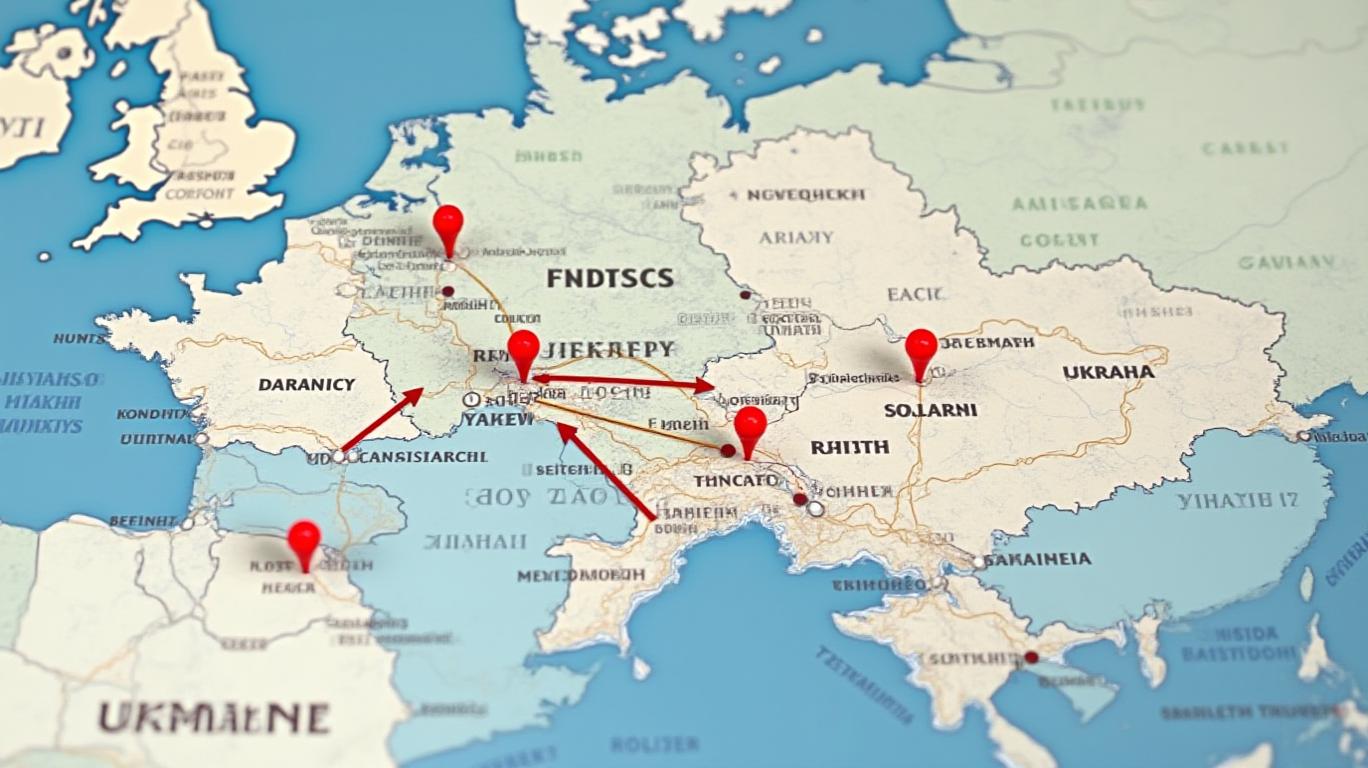
Paweł Kowal, Head of Poland’s Council for Cooperation with Ukraine, warned that recognizing Russian claims to Crimea and other Ukrainian territories would be a “historical mistake,” threatening regional stability and deterring foreign investment in postwar reconstruction. His remarks underscore a critical divide: Poland and its Central European allies view any territorial concessions as a dangerous precedent, while Trump’s administration has signaled openness to pragmatic deals.
The Diplomatic Stalemate
Putin’s response to Trump’s outreach has been marked by strategic ambiguity. While agreeing to a 30-day pause on energy infrastructure attacks, Moscow insists on maximalist demands: halting all Western military aid to Ukraine, lifting sanctions, and establishing “working groups” to discuss territorial claims. Analysts note these terms are designed to weaken Kyiv’s bargaining power while presenting Russia as a “reasonable” actor.
The Kremlin’s dual tactics—publicly endorsing “constructive dialogue” while escalating drone and missile strikes—have eroded trust. Ukrainian President Volodymyr Zelenskyy has dismissed the ceasefire as “symbolic,” citing ongoing attacks on civilian targets.
Economic Fallout: Energy Markets and Sanctions
The conflict’s ripple effects are most visible in energy markets. Russia’s partial withdrawal from global energy trade has driven Brent crude prices to a 12-month high, while European gas prices remain volatile amid fears of supply disruptions.
Sanctions have also hit Russian equities hard, with the Moscow Exchange Index down nearly 30% year-to-date. Conversely, European defense stocks like Airbus (AIR.PA) and European Aeronautic Defense & Space (EAD.PA) have surged on increased NATO spending.
Investment Considerations: Winners and Losers
- Defense Sector: Companies supplying arms to Ukraine, such as U.S. firms Raytheon (RTN) and General Dynamics (GD), remain in demand. The Pentagon’s emergency drawdown of ammunition stocks in early 2025 suggests sustained demand.
- Energy Plays: ExxonMobil (XOM) and Chevron (CVX) could benefit from long-term shifts in energy trade routes, while renewable energy firms like NextEra Energy (NEE) may see accelerated investment as Europe seeks to reduce Russian gas dependency.
- Political Risk: Emerging markets exposed to Eastern Europe, such as Poland (WIG index: ), face currency volatility. Investors should monitor Poland’s 10-year bond yields as a gauge of geopolitical risk.
Risks and Opportunities
The conflict’s unresolved nature presents both risks and opportunities. While defense and energy sectors are clear beneficiaries of prolonged instability, equity markets globally could face headwinds from inflation and supply chain disruptions.
A key wildcard remains Trump’s negotiating stance. If his administration caves to Putin’s demands—such as recognizing Crimea as Russian—investors in Ukrainian reconstruction funds or European infrastructure projects could face losses. Conversely, a unified Western front could pressure Russia into meaningful concessions, stabilizing markets.
Conclusion: A Fragile Equilibrium
Poland’s warnings highlight the fragility of Trump’s peace efforts. With Putin’s strategy of “conditional pauses” and maximalist demands, the conflict is likely to drag on, benefiting defense stocks and energy firms while punishing Russian assets.
Investors should prioritize sectors insulated from supply chain shocks and positioned for long-term shifts in energy and defense spending. However, the path forward remains uncertain: as Polish officials note, Putin’s mockery of diplomacy signals a willingness to exploit divisions, making this conflict a cautionary tale for markets in 2025 and beyond.
Stay vigilant, and allocate defensively.







Comentarios
Aún no hay comentarios