
Geopolitical Stalemate in Ukraine: Strategic Opportunities in Defense and Agriculture Plays
The recent collapse of Ukraine-Russia peace talks in Istanbul marks a definitive shift toward prolonged conflict, with neither side willing to cede ground on core demands. As negotiations devolve into posturing and symbolism, investors must recognize this stalemate as a catalyst for sustained geopolitical volatility—and a rare opportunity to capitalize on two key sectors: defense contracting and agricultureANSC-- commodities.
Defense: Weaponizing Prolonged Conflict
The failure of talks to yield a ceasefire ensures that military spending will remain a fiscal priority for nations on both sides of the conflict—and their allies. With Russia intensifying drone strikes on Kyiv and Ukraine bolstering defenses, global defense contractors are poised for sustained demand.
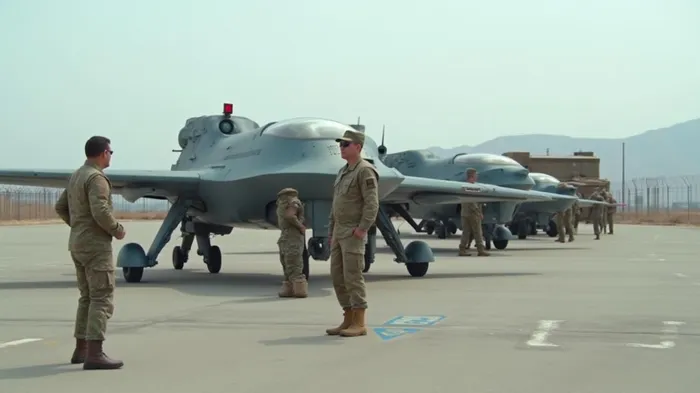
Key Plays:
- Lockheed Martin (LMT): A leader in missile defense systems and drones, with contracts tied to NATO’s expansion.
- Raytheon Technologies (RTX): Supplier of air defense systems critical to countering Russia’s drone swarms.
- Northrop Grumman (NOC): Specializes in intelligence technology and cyber defense, areas of growing urgency in hybrid warfare.
Even amid market volatility, LMT has outperformed benchmarks, reflecting investor confidence in defense sector resilience.
Agriculture: The Black Sea’s Hidden Goldmine
The war’s disruption of Ukrainian grain exports—once a global breadbasket—has created a structural supply shortage. With Black Sea ports intermittently blocked and harvests under threat, commodity prices are surging, benefiting fertilizer producers and commodity traders.
Ukraine’s prewar output accounted for 10% of global wheat exports. Today, blocked ports and contested farmland have slashed shipments, driving wheat prices to near 2022 crisis levels. This dynamic benefits two pillars of the agri-sector:
- Fertilizer Producers:
Farmers worldwide face a cruel paradox: soaring crop prices incentivize planting, but supply chain bottlenecks limit access to critical inputs like nitrogen and potash. Companies like CF Industries (CF) and Yara International (YARAY) stand to profit as farmers maximize yields to meet demand.
- Commodity ETFs:
Investors can gain exposure to rising grain prices through ETFs like DB Agriculture Double Long ETN (DBA), which tracks wheat, corn, and soybean futures.
Wheat prices have risen 40% since early 2024, reflecting the Ukraine crisis’s deepening impact on food security.
Risks and the Case for Immediate Action
Critics will argue that a sudden peace deal could collapse these trades. But the Istanbul talks’ breakdown—marked by Russia’s maximalist demands and Kyiv’s refusal to negotiate under fire—exposes a truth: neither side can win decisively, yet neither can afford to lose. The conflict is locked in a “no peace, no war” limbo, with military and economic costs escalating for both sides.
For investors, this is a “wait-and-buy” scenario. Defense stocks and agri-commodities are already pricing in near-term risks, but the prolonged conflict thesis argues for sustained tailwinds. The only question is: How long can you afford to wait?
Final Call to Action
The Ukraine stalemate is not a temporary blip but a defining feature of the next decade’s geopolitical landscape. Defense equities and agriculture plays are not just speculative bets—they are strategic hedges against a world where conflict drives demand and scarcity defines opportunity.
Act Now:
- Allocate 5-10% of your portfolio to defense contractors like LMT and RTX.
- Pair with commodity ETFs (e.g., DBA) to capture agri-price inflation.
- Avoid overexposure to Russian equities or European energy stocks, which remain vulnerable to further sanctions or diplomatic shocks.
The battlefield may be frozen, but the investment case is burning brighter by the day.
This article is for informational purposes only. Investors should conduct their own due diligence and consult with a financial advisor.







Comentarios
Aún no hay comentarios