
Geopolitical Shifts and Sector Rotation in the FTSE 100 and DAX
The interplay of U.S. policy shifts and global security dynamics has profoundly reshaped the investment landscape for the FTSE 100 and DAX indices over the past three years. As geopolitical tensions and trade policy volatility intensified, energy, defense, and mining sectors emerged as critical drivers of returns, reflecting a strategic reallocation of capital toward resource-oriented and security-focused industries. This analysis examines how these sectors have navigated the evolving geopolitical and policy environment, offering insights into their performance and future positioning.
Energy, Defense, and Mining: Sectors in the Spotlight
The energy sector, though not explicitly highlighted in the latest data, indirectly benefited from the broader inflationary pressures and supply chain disruptions that elevated commodity prices. However, the defense and mining sectors took center stage. According to a report by XTB, the FTSE 100 reached a record high in 2025, fueled by robust gains in mining and defense stocks. Precious metals, such as gold and silver, surged amid heightened geopolitical uncertainties, providing a tailwind for mining companies like Fresnillo and Endeavour Mining. This trend underscores the sector's role as a hedge against inflation and geopolitical instability.
The defense sector, meanwhile, experienced a renaissance driven by escalating global tensions. Companies such as BAE Systems, Babcock International, and Rolls-Royce saw significant gains as governments ramped up defense spending in response to conflicts in regions like Ukraine and Venezuela. The Times noted that the FTSE 100's best year since 2025 was marked by a "shrugging off" of tariffs and war-related anxieties, with defense stocks acting as a stabilizing force.
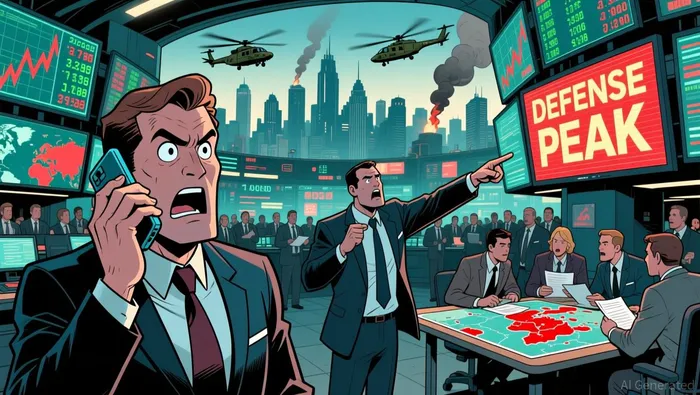 In the DAX, European industrial metals and defense stocks outperformed, reflecting a similar reallocation of capital. A 23% annual gain in 2025 outpaced the FTSE 100, as U.S. trade policies and supply chain reconfigurations amplified demand for strategic commodities. This performance highlights the DAX's alignment with industrial and security-driven growth narratives.
U.S. Policy and Geopolitical Catalysts
U.S. trade policies, including tariffs and supply chain reshaping, played a pivotal role in these sectoral shifts. The trade war and related tariffs exacerbated market volatility, prompting investors to pivot toward defensive sectors. For instance, the reevaluation of global supply chains increased demand for industrial metals, directly benefiting DAX-listed mining and manufacturing firms. Similarly, the U.S. government's emphasis on strategic autonomy in defense and energy sectors spurred European counterparts to prioritize domestic capabilities, further boosting sectoral performance.
Geopolitical risks, such as the ongoing conflict in Ukraine and instability in Latin America, acted as tailwinds for defense spending. As stated by industry analysts, these events accelerated capital flows into defense stocks, which were perceived as both economically resilient and politically aligned with global security priorities.
Strategic Positioning and Sector Rotation
The observed sector rotation reflects a broader trend of capital reallocation toward industries perceived as insulated from macroeconomic headwinds. Investors increasingly favored sectors with tangible assets and geopolitical relevance, such as mining and defense, over cyclical or tech-driven industries. This shift was particularly evident in the FTSE 100, where mining and defense stocks accounted for a disproportionate share of the index's gains.
For the DAX, the emphasis on industrial metals and defense mirrored the European Union's strategic pivot toward energy and supply chain security. The interplay of U.S. policy and European industrial policy created a dual tailwind, reinforcing the attractiveness of these sectors.
Looking Ahead
As 2025 draws to a close, the strategic positioning of energy, defense, and mining sectors remains critical. While energy may regain focus if geopolitical tensions spill into fossil fuel markets, the defense and mining sectors are likely to retain their momentum. Investors should monitor U.S. policy developments and regional conflicts, as these will continue to shape sectoral dynamics. For now, the FTSE 100 and DAX serve as barometers of a world increasingly defined by resource competition and security imperatives.







Comentarios
Aún no hay comentarios