
Geopolitical Shifts in Energy Markets: How U.S.-Turkey Dynamics Shape Oil Prices and Energy Stocks
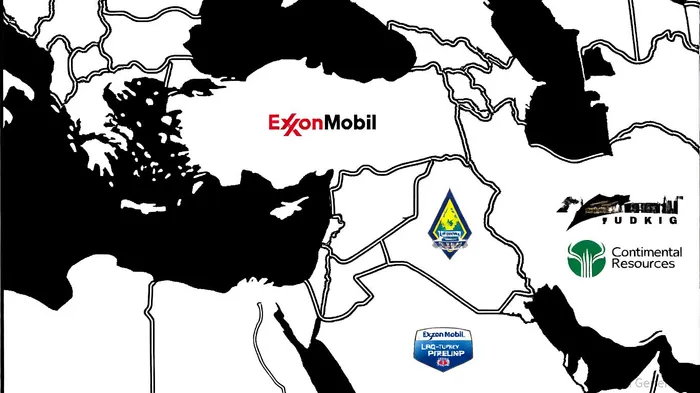
The U.S.-Turkey energy partnership has emerged as a pivotal force in reshaping global energy markets in 2025. As Turkey solidifies its role as a regional energy hub, its collaboration with American firms like Continental Resources and ExxonMobil is not only stabilizing supply chains but also influencing oil price volatility and energy stock performance. This analysis explores how these geopolitical dynamics are creating both opportunities and risks for investors.
Strategic Alliances and Regional Energy Security
Turkey's strategic location at the crossroads of Europe, Asia, and the Middle East has long made it a critical player in energy transit. Recent partnerships with U.S. energy giants are amplifying this role. For instance, the joint venture between Continental Resources and Turkey's state-owned TPAO to develop unconventional oil and gas in the Diyarbakir and Thrace Basins marks a significant shift in Turkey's energy independence strategy. According to a report by Reuters, the Diyarbakir Basin alone holds an estimated 6.1 billion barrels of shale oil and 12–20 trillion cubic feet of natural gas, potentially reducing Turkey's reliance on Russian imports [1]. Similarly, ExxonMobil's 10-year LNG agreement with Turkey's BOTAŞ—supplying up to 2.5 million tons annually—aligns with Ankara's goal to diversify its energy sources and become a regional gas hub [2].
These partnerships are not merely economic but geopolitical. As stated by the Atlantic Council, Turkey's energy diplomacy is increasingly aligned with U.S. interests in countering Russian and Iranian influence in the Eastern Mediterranean [3]. By securing transit routes like the Iraq-Turkey Pipeline and the Trans-Caspian corridor, Turkey is positioning itself as a linchpin for energy flows to Europe, a role that could further stabilize regional markets.
Impact on Oil Price Volatility
The U.S.-Turkey energy collaboration has introduced a layer of complexity to global oil price dynamics. While the U.S. Energy Information Administration (EIA) forecasts a decline in Brent crude prices from $81 per barrel in 2024 to $74 in 2025, Turkey's expanding role as an energy intermediary could temper this trend [4]. By facilitating the transit of Caspian and Middle Eastern oil to Europe, Turkey is helping to diversify supply routes, reducing the risk of disruptions from traditional hotspots like the Strait of Hormuz.
However, challenges persist. Turkey's continued dependence on Russian oil—surpassing 323,000 barrels per day in 2024—introduces volatility, as geopolitical tensions in the Eastern Mediterranean and with Greece/Cyprus remain unresolved [5]. Additionally, U.S. shale production slowdowns and OPEC+ output adjustments continue to exert upward pressure on prices. The net effect is a market characterized by moderate volatility, with Turkey's partnerships acting as a stabilizing force in the long term.
Energy Stock Performance: A Mixed Picture
The financial performance of U.S. energy firms involved in Turkey's projects reflects both optimism and caution. Continental Resources (CLR) has seen its stock price forecasted to rise from $76.00 in late September 2025 to $78.24 by early October, driven by its international expansion and strong Q2 2025 earnings of $727.2 million [6]. The company's entry into Turkey's unconventional energy sector, however, remains a long-term bet, with tangible returns likely to materialize beyond 2025.
ExxonMobil (XOM), meanwhile, has secured a $1.1 billion LNG deal with Turkey, a move that aligns with its global strategy to expand LNG capacity to 40 million tons annually by 2030. While the stock's trading volume spiked to 13.565 million shares on August 22, 2025, the direct impact of the Turkey deal on its share price remains difficult to quantify due to the agreement's long-term nature [7]. Investors should monitor the Golden Pass LNG terminal's operational start in early 2025, which could catalyze near-term gains.
Risks and Opportunities for Investors
While the U.S.-Turkey energy partnership offers growth potential, investors must navigate several risks. Turkey's political instability, currency fluctuations, and regulatory hurdles could delay project timelines. Additionally, global energy transitions toward renewables may reduce the long-term viability of fossil fuel investments.
Conversely, the strategic value of Turkey's energy infrastructure—such as its control over the Bosphorus Strait and expanding LNG terminals—positions it as a critical node in transatlantic energy security. For U.S. firms, partnerships with Turkey provide access to untapped markets and geopolitical leverage, which could enhance stock resilience amid macroeconomic uncertainties.
Conclusion
The U.S.-Turkey energy partnership is a double-edged sword for investors. While it contributes to regional stability and diversifies global supply chains, its impact on oil prices and energy stocks remains contingent on geopolitical and economic variables. For now, firms like Continental Resources and ExxonMobil are capitalizing on Turkey's strategic potential, but long-term success will depend on navigating regional tensions and aligning with global energy trends.





Comentarios
Aún no hay comentarios