
Geopolitical Risks and Sanctions Threaten U.S. Defense Contractors: A New Era of ESG Exposure
The U.S. defense sector is facing unprecedented scrutiny as Francesca Albanese's United Nations reports and retaliatory sanctions by the U.S. government expose firms to heightened regulatory, reputational, and legal risks. The fallout from allegations of profiting from Israel's actions in Gaza could reshape investment strategies, with ESG-conscious investors and international bodies now targeting companies linked to the conflict. For U.S.-listed defense contractors, the calculus of geopolitical risk has never been more fraught.
The Albanese Reports: A Catalyst for ESG Divestment
Albanese's July 2025 report, which named Lockheed MartinLMT--, PalantirPLTR--, IBMIBM--, MicrosoftMSFT--, and AmazonAMZN-- as key enablers of Israel's military operations, has galvanized global calls for accountability. The report alleges these companies contributed to violations of international law, including genocide and apartheid. While the U.S. sanctioned Albanese for her collaboration with the ICC—a move critics call an attempt to stifle criticism—the reputational damage to named firms is already spreading.
ESG investors are now reassessing portfolios to exclude companies accused of complicity. For instance, BlackRock and Vanguard, major institutional investors in these firms, face pressure to divest. A single wrong move could trigger a cascade of exits.
Legal and Litigation Risks: The ICC Factor
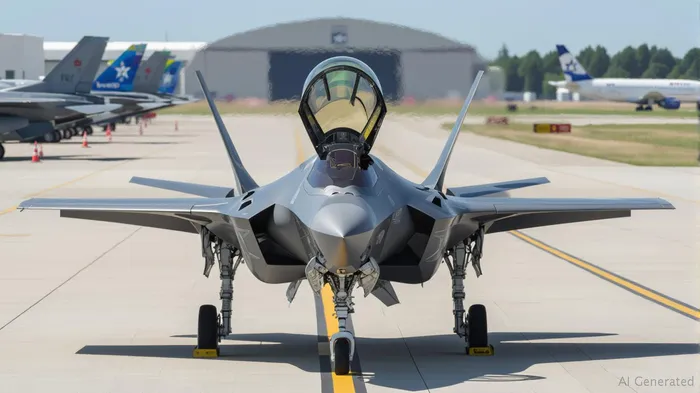
The International Criminal Court's (ICC) November 2023 arrest warrants for Israeli leaders over alleged war crimes have amplified legal exposure for contractors. Albanese's report argues that firms like Palantir (PALF), which provided predictive policing AI, and Lockheed Martin, supplier of F-35s, may be complicit in crimes under the Rome Statute.
While U.S. sanctions shielded Albanese from entering the U.S., her findings could embolden global plaintiffs to pursue civil suits or criminal charges against corporate executives. The ICC's jurisdiction over international crimes means no defense contractor is immune, especially those with ties to Israel's controversial actions.
Reputational Fallout: Diplomatic and Market Consequences
The U.S. sanctions against Albanese have drawn condemnation from human rights groups like Amnesty International, which labeled them an “attack on international law.” This backlash underscores the reputational risks for companies seen as aiding Israel's occupation.
For example, IBM's role in managing Israel's biometric database for Palestinians has sparked protests, with activists targeting its global brand. Similarly, Microsoft (MSFT) and Alphabet (GOOGL) face scrutiny for enabling surveillance systems that discriminate against Palestinians.
Investment Implications: Navigating the Minefield
Investors must now weigh the geopolitical risks against traditional defense sector tailwinds like U.S. military spending. Here's how to approach the space:
- Avoid Direct Linkage to Gaza-Related Operations: Firms like Lockheed Martin and Palantir are prime targets for ESG divestment and litigation. Short positions or reduced allocations may be prudent.
- Favor Diversified Firms with Clear ESG Commitments: Companies with minimal exposure to Israel's military or occupation infrastructure, such as BoeingBA-- (BA), might face less reputational risk.
- Monitor Geopolitical Triggers: The ICC's September 2025 deadline for Israel to end its occupation could spark new sanctions or legal actions. Investors should track diplomatic developments closely.
- Consider ESG Funds with Strict Screening: Funds like the iShares MSCIMSCI-- ESG Leaders ETF (SUSL) exclude companies with controversial ties, offering safer havens in this volatile landscape.
Conclusion: A New Era of Due Diligence
The intersection of UN investigations, U.S. sanctions, and global ESG activism has created a high-stakes environment for defense contractors. Investors ignoring the risks of complicity in Gaza-linked profiteering may face significant financial and reputational consequences. As international law increasingly holds corporations accountable, portfolios must prioritize firms that adhere to ethical standards—or brace for fallout.
In this new calculus, caution is key. The defense sector's traditional reliability is now tempered by geopolitical volatility, and only those willing to navigate these risks with eyes wide open will thrive.





Comentarios
Aún no hay comentarios