
Geopolitical Risks and Energy Infrastructure: How Targeted Refinery Attacks Threaten Global Markets
Geopolitical Risks and Energy Infrastructure: How Targeted Refinery Attacks Threaten Global Markets
The global energy sector has long been a battleground for geopolitical tensions, but recent developments underscore a new era of vulnerability. Targeted attacks on oil refineries-particularly the sustained drone campaign by Ukraine against Russian facilities-have exposed critical weaknesses in energy supply chains, driving volatility in markets and reshaping investment risks. As nations increasingly weaponize energy infrastructure, investors must grapple with the cascading effects of such disruptions.
The Russian Case: A Blueprint for Disruption
Since 2020, Ukraine has launched a systematic campaign to degrade Russia's refining capacity, leveraging AI-enabled long-range drones to strike both civilian and military fuel infrastructure. By September 2025, 21 of Russia's 38 large refineries had been hit, with attacks surging by 48% compared to 2024, according to a BBC report. Key facilities like the Ryazan plant near Moscow and the Volgograd refinery have faced repeated strikes, forcing temporary shutdowns and reducing national production by up to 20% in some months, the BBC reported. According to a Carnegie Endowment report, these attacks have damaged up to 38% of Russia's refining capacity, though operational impacts remain mixed, with many refineries operating at reduced levels.
The consequences have been immediate and severe. Fuel shortages have led to long queues at petrol stations, with some garages suspending operations entirely. Retail gasoline prices in Russia have surged to near-record highs, reaching approximately ₽62 per liter ($2.93 per gallon) for regular grade, CNBC reported. The government has even reimposed a seasonal gasoline export ban to address domestic shortages, a move that has further strained markets, CNBC added.
Historical Precedents and Global Implications
While the Russian case is unprecedented in scale, it is not unique. Historical attacks on energy infrastructure have repeatedly triggered market shocks. For instance, the 2019 drone strikes on Saudi Arabia's Abqaiq and Khurais facilities temporarily reduced global oil production by 6%, spiking prices by over 15% within days, according to an OnTheNode analysis. Similarly, tensions in the Strait of Hormuz-a chokepoint handling 35% of global seaborne oil trade-have historically driven oil prices beyond $350 per barrel, though recent market resilience has muted such volatility, the OnTheNode piece notes.
The Russia-Ukraine war has also exposed Europe's reliance on Russian gas, with Germany and Italy facing inflation rates exceeding 9% in 2022–2024 due to supply disruptions, the OnTheNode analysis highlights. Meanwhile, instability in Africa-such as pipeline sabotage in Nigeria and political unrest in Libya-has further strained regional output, with Libya's production plummeting from 1.6 million to 500,000 barrels per day. These examples highlight how localized attacks can reverberate globally, amplifying price swings and supply chain fragility.
Market Resilience and the New Normal
Despite these risks, energy markets have shown surprising adaptability. For example, the Middle East's recent geopolitical tensions-despite direct strikes in Gaza, Israel, and Lebanon-have not significantly impacted oil prices, which have remained within a $70–$90 per barrel range for Brent crude, according to a Georgetown analysis. This resilience stems from alternative transport routes, diversified supply sources, and weak demand in Asia, particularly China, whose economic transition has slowed oil consumption growth.
However, this stability is precarious. Analysts warn that further strikes on Russian production or transportation infrastructure could tighten markets, especially if global crude oil gluts dissipate, CNBC has argued. The U.S. has already urged Ukraine to avoid targeting energy infrastructure to prevent global price spikes, per CNBC reporting, underscoring the interconnectedness of regional conflicts and global markets.
Investment Implications: Navigating the Risks
For investors, the lessons are clear: energy infrastructure is a high-risk asset class, and geopolitical volatility demands proactive risk management. Key strategies include:
1. Diversification: Allocating capital to energy producers with diversified supply chains and access to multiple markets.
2. Technology Investment: Supporting firms developing AI-driven monitoring systems and cybersecurity solutions for critical infrastructure.
3. LNG and Renewable Exposure: Hedging against fossil fuel volatility by investing in liquefied natural gas (LNG) infrastructure and renewable energy projects.
4. Geopolitical Hedging: Utilizing derivatives and insurance products to mitigate exposure to supply shocks in high-risk regions.
Conclusion
The targeting of oil refineries as a strategic tool marks a dangerous evolution in geopolitical warfare. While markets have demonstrated resilience, the potential for cascading disruptions remains high. Investors must remain vigilant, recognizing that energy infrastructure is no longer a passive asset but a dynamic battlefield. As the world grapples with the dual challenges of decarbonization and geopolitical instability, the ability to anticipate and adapt to these risks will define long-term success in the energy sector. 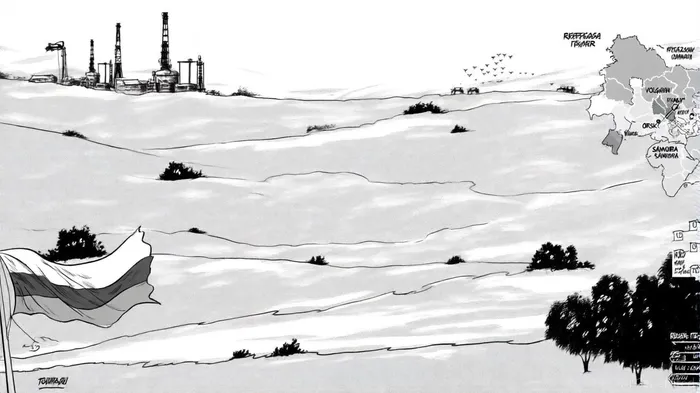







Comentarios
Aún no hay comentarios