
Geopolitical Risks in Eastern Europe: Assessing the Implications of Russia's "Security Strip" in Sumy
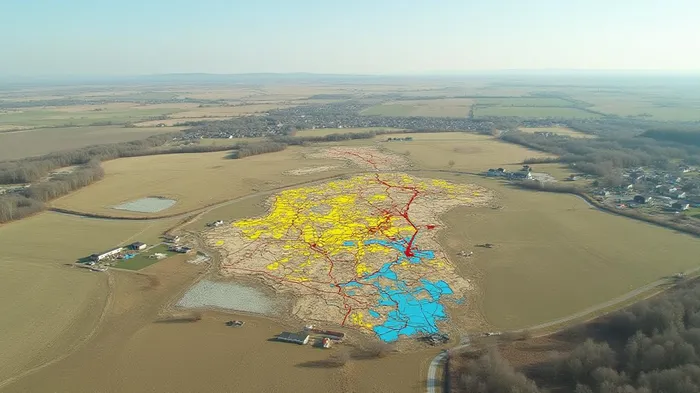
The ongoing conflict in Ukraine has entered a new phase as Russia intensifies efforts to establish a "security strip" in northern Sumy Oblast, a strategic region bordering Russia’s Kursk Oblast. While Russian forces have made incremental territorial gains—securing villages like Basovka and Zhuravka—Ukrainian resistance has stalled further advances. This military stalemate, coupled with escalating economic pressures on Russia and shifting international dynamics, presents significant risks and opportunities for investors in Eastern Europe and beyond.
Military Stalemate and Economic Strain
Russia’s campaign in Sumy reflects broader challenges in its war effort. Despite deploying specialized units like the 83rd Airborne Brigade and Chechen forces, Russian casualties remain alarmingly high: an average of 99 per square kilometer over the past four months, with total losses exceeding 160,600 since January 2025. These figures underscore the unsustainable human and financial toll of the war. Meanwhile, Western intelligence reports suggest Moscow may pivot toward consolidating gains, yet President Putin’s insistence on maintaining offensives—despite economic strain—indicates a refusal to retreat.
The economic burden is compounding. Russia’s social benefits for veterans and families of fallen soldiers are draining state coffers, while Trump-era threats of new sanctions loom. A Verstka poll of Russian troopsTROO-- in April 2025 revealed only 18% would support withdrawal before achieving Putin’s goals, signaling internal resolve to sustain the conflict.
The ruble’s volatility reflects investor anxiety over Russia’s war costs. As of May 2025, the currency has weakened by 15% year-to-date, with further declines likely if sanctions intensify or oil prices—critical to Russia’s economy—fall.
International Dynamics and Diplomatic Shifts
The U.S. has recalibrated its approach to the conflict, signaling reduced direct mediation. Vice President JD Vance and Secretary of State Marco Rubio stated in early May that Washington would no longer prioritize intensive diplomatic efforts unless Moscow shows flexibility. This shift aligns with broader U.S. strategic priorities, including countering China and recalibrating global trade ties.
However, U.S. military support for Ukraine remains robust, with a proposed defense exports license submitted to Congress in late April 2025. This underscores a dual strategy: limiting direct involvement while ensuring Kyiv retains defensive capabilities. For investors, this means prolonged uncertainty, as neither side appears ready to compromise.
Geopolitical Risks for Investors
The BlackRock Investment Institute’s Q2 2025 analysis identifies several key risks for Eastern European markets:
1. Russia-NATO Conflict Escalation: A Medium Likelihood risk, with ongoing territorial disputes and stalled diplomacy.
2. Energy Market Volatility: Brent crude prices—critical for Eastern European economies tied to energy—are sensitive to supply disruptions.
3. Cyber Threats: State-sponsored attacks targeting critical infrastructure remain a High Likelihood concern.
Brent prices have fluctuated between $70–$85 per barrel in 2025, reflecting geopolitical tensions. A protracted conflict could push prices higher if supply chains are disrupted, benefiting energy producers but destabilizing net importers.
Investment Considerations
- Sector-Specific Risks: Utilities and energy infrastructure in Poland, Romania, and the Baltics face heightened exposure to cyberattacks and supply chain disruptions.
- Currency Exposure: Investors in Eastern Europe should monitor the ruble and local currencies, such as the Ukrainian hryvnia, which have been volatile amid sanctions and military developments.
- Diplomatic Catalysts: Upcoming events like the June 2025 NATO Summit and U.S.-Russia talks could shift investor sentiment.
Conclusion
Russia’s stalled "security strip" initiative in Sumy highlights a conflict陷入僵局, with neither side gaining decisive advantage. For investors, the risks are clear: prolonged military stalemate, economic strain on Russia, and geopolitical uncertainty. The BlackRock Geopolitical Risk Indicator assigns a Medium likelihood to conflict escalation, but the human and financial toll—160,600 casualties and mounting costs—suggests a prolonged crisis.
Investors should prioritize agility, diversifying portfolios to mitigate exposure to Eastern European markets and energy assets. Monitor the ruble’s performance, Brent crude prices, and diplomatic developments closely. While the U.S.-Ukraine minerals deal and NATO’s posture offer some stability, the path to resolution remains uncertain. In such an environment, preparedness and vigilance will be critical to navigating the risks—and potential rewards—of Eastern Europe’s geopolitical landscape.
Data sources: Russian Ministry of Defense reports, BlackRock Investment Institute, Verstka poll, and Western intelligence assessments.







Comentarios
Aún no hay comentarios