
Geopolitical Risk in the Middle East: Navigating Market Volatility and Hedging Strategies
The Middle East remains a fulcrum of global geopolitical risk in 2025, with its oil infrastructure, transit routes, and regional power dynamics shaping financial markets. Recent escalations-such as Israeli airstrikes on Iranian nuclear facilities and retaliatory missile attacks by Iran-have underscored the fragility of the region. While oil prices have largely stabilized in the $70–80 per barrel range due to OPEC+ spare capacity and U.S. shale production, the risk of sudden volatility persists, particularly if critical infrastructure like the Strait of Hormuz is targeted, according to a Discovery Alert analysis. For investors, understanding these dynamics-and deploying hedging strategies-is critical to mitigating exposure.
Geopolitical Risk and Oil Market Volatility
The interplay between Middle East tensions and oil prices is nuanced. Short-term shocks, such as a 7–11% spike in Brent crude following Israeli or Iranian military actions, are common but often short-lived. However, the geopolitical risk premium-the unobservable cost traders assign to potential supply disruptions-continues to influence pricing even in the absence of physical damage to infrastructure, the Discovery Alert analysis notes. For instance, J.P. Morgan notes that while markets have not yet entered panic mode, the cumulative effect of regional instability could amplify volatility if conflicts spill beyond Iran-Israel or involve non-state actors like the Houthis.
A 2025 study of six Middle Eastern and African markets found that Egypt, Tunisia, and Turkey exhibited heightened sensitivity to oil price and geopolitical risk (GPR) shocks, with transportation and manufacturing sectors bearing the brunt of rising costs. Conversely, Saudi Arabia and Israel demonstrated resilience, leveraging domestic energy security and diversified economic policies.
Sector-Specific Impacts and Economic Scenarios
The ripple effects of oil price spikes extend beyond energy markets. Transportation costs, airline profitability, and consumer behavior are directly impacted, while agriculture faces indirect challenges through petroleum-dependent inputs like fertilizers and machinery. A 15–30% increase in food production costs is plausible in oil-importing regions, exacerbating inflationary pressures, the study estimated.
Economic scenarios further complicate the outlook. In a contained conflict scenario, where de-escalation occurs, global GDP growth might dip slightly, and oil prices could see a temporary 5–10% rise. However, a moderate escalation-such as a prolonged closure of the Strait of Hormuz-could drive oil prices higher, trigger a 0.5% global GDP contraction, and deepen inflationary pressures, according to an EY analysis.
Investor Hedging Strategies
Given these risks, investors must adopt proactive strategies:
- Diversification Across Energy Sources: Reducing reliance on Middle East oil by investing in non-OPEC producers (e.g., U.S. shale, African LNG) or alternative energy infrastructure can buffer against supply shocks.
- Commodity Hedging: Using futures contracts or ETFs to lock in oil prices during periods of elevated geopolitical risk can mitigate exposure.
- Currency and Equity Positioning: Oil-importing economies may benefit from shorting local currencies or overweighting defensive equities (e.g., utilities, consumer staples) to counter inflation.
- Geopolitical Risk Insurance: Emerging products that hedge against supply chain disruptions or infrastructure damage are gaining traction, particularly for multinational corporations.
- ESG Integration: Companies with diversified supply chains and low carbon footprints are better positioned to navigate energy transition risks and geopolitical shocks.
J.P. Morgan emphasizes that while markets remain resilient, investors should prioritize liquidity and flexibility to respond to sudden shifts. For example, energy sector exposure should be balanced with defensive assets, and macroeconomic indicators (e.g., inflation data, central bank policy) should guide tactical adjustments.
Conclusion
The Middle East's geopolitical volatility in 2025 is a double-edged sword: it introduces uncertainty but also creates opportunities for strategic positioning. By leveraging hedging tools, diversifying energy portfolios, and monitoring regional developments, investors can navigate this landscape with greater confidence. As the region's dynamics evolve, preparedness-and not panic-will be the hallmark of successful capital allocation. 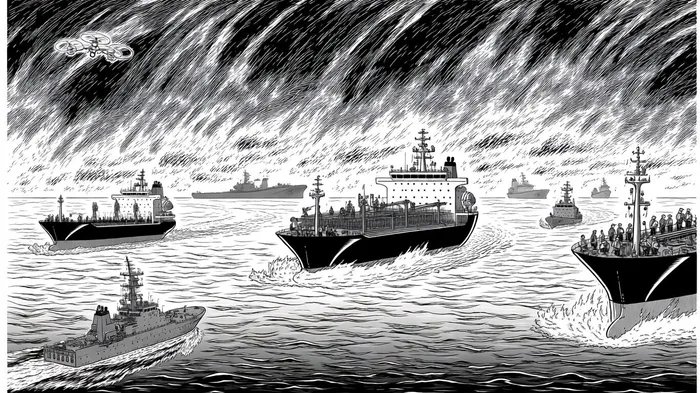







Comentarios
Aún no hay comentarios