
Geopolitical Risk and Emerging Market Equities: Ukraine's Energy Transition as a Catalyst for Global Capital Flows
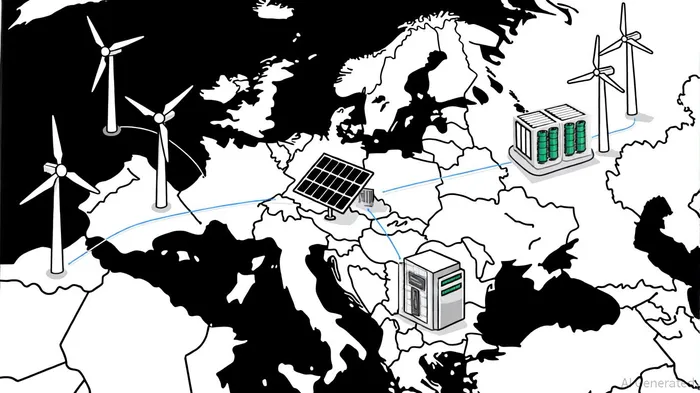
The war in Ukraine has become a defining geopolitical event of the 2020s, reshaping energy security paradigms and redirecting capital flows across emerging markets. As Russia's sustained attacks on Ukraine's energy infrastructure have destroyed nearly 90% of some power stations' generation capacity[1], the country has pivoted to a decentralized energy strategy. This shift, driven by leadership changes such as Maxim Timchenko's tenure at DTEK, has prioritized solar farms, wind parks, and battery storage systems—assets less vulnerable to large-scale destruction than centralized thermal plants[2]. Ukraine's National Energy and Climate Plan (NECP) now targets 27% renewable energy in final consumption by 2030[3], a goal accelerated by the urgent need for resilience.
Decentralization as a Strategic Defense Mechanism
Ukraine's energy sector has become a laboratory for decentralized innovation. DTEK's installation of a 200-megawatt battery system—the largest in the country—exemplifies this trend[4]. Smaller-scale gas-fired combined heat and power plants, alongside solar PV and wind systems, are being deployed to create a fragmented network that is harder to target and easier to repair[5]. This approach aligns with the International Energy Agency's (IEA) assertion that large energy assets are particularly susceptible to military strikes[6].
However, decentralization alone cannot offset the challenges of attracting foreign investment. Regulatory uncertainties and market debts persist, deterring private capital. For instance, international financial institutions demand long-term offtake contracts and collateral to secure credit lines[7]. Despite these hurdles, Ukraine has made strides: in August 2024, Ukrenergo's auctions for ancillary services drew nearly 1,000 bids for 1 GW of new capacity[8]. Such initiatives signal a commitment to market liberalization, though legal frameworks still lack definitions for “decentralized electricity generation” and energy storage systems[9].
Geopolitical Realignment and Capital Flows
Ukraine's energy transition is not occurring in isolation. The war has catalyzed a global recalibration of energy security strategies, with Europe reducing reliance on Russian fossil fuels and accelerating LNG imports and renewables investments[10]. This shift has geopolitical implications, reinforcing transatlantic ties through U.S. LNG exports and reshaping alliances in the Global South[11]. For emerging market equities, Ukraine's energy insecurity and the broader geopolitical context create dual dynamics: risks from volatility and opportunities in decentralized energy projects.
The EU's €1.4 billion in guarantees for Ukraine's energy recovery[12] and the EBRD's €300 million emergency support[13] highlight the scale of international involvement. Meanwhile, the U.S. and Japan have pledged $190 million and $600 million, respectively, for transformers, solar panels, and grid reliability[14]. These inflows compete with capital traditionally directed to other emerging markets, such as India and Vietnam, which have benefited from U.S. “friendshoring” strategies[15].
Broader Implications for Emerging Markets
Ukraine's energy investment landscape may divert global capital from other regions. With $78 billion allocated for infrastructure recovery over the next decade, investors are drawn to Ukraine's strategic reforms, rich natural resources, and EU-aligned regulatory environment. This competition is compounded by the global energy transition: 72% of investors accelerated energy transition assets in 2025, while 75% still engage in natural gas projects. Emerging markets must now balance renewable goals with energy security, a challenge Ukraine's decentralized model may help address.
Yet, the ripple effects of Ukraine's war extend beyond capital allocation. Geopolitical fragmentation has intensified, with supply chains realigning along ideological lines. For example, U.S. FDI shifted from China to Mexico and India, while BRICS+ nations have strengthened trade ties. These shifts create volatility in equity markets, particularly for smaller-cap stocks and resource-dependent economies.
Conclusion: Navigating Risk and Opportunity
Ukraine's energy strategy underscores the interplay between geopolitical risk and emerging market equities. While the country's decentralized energy transition offers a blueprint for resilience, it also highlights the fragility of foreign investment in conflict zones. For investors, the key lies in balancing short-term volatility with long-term opportunities in renewables and infrastructure. As global capital reallocates toward post-conflict reconstruction and energy security, emerging markets must adapt to a landscape where geopolitical alignment and regulatory clarity are as critical as resource endowments.







Comentarios
Aún no hay comentarios